Follow Us on Google Discover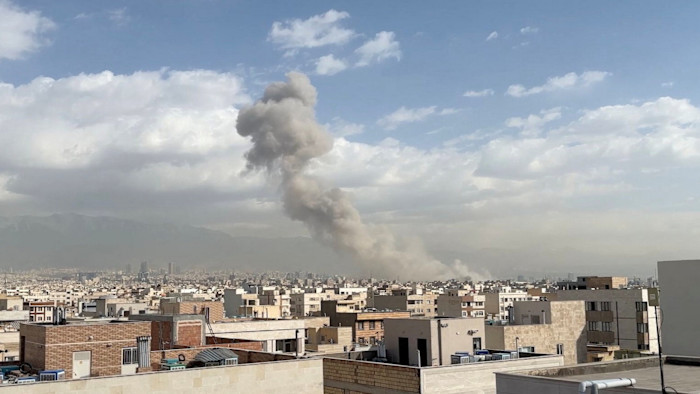
A major gas facility in the United Arab Emirates has been set ablaze following a drone strike on Tuesday, heightening concerns over surging oil prices as supply shortens.
According to Bloomberg report, the latest incidents add to a growing wave of attacks targeting critical energy infrastructure across the Middle East, including refineries, liquefied natural gas (LNG) plants, oil fields, and export terminals.
The sustained disruptions are amplifying concerns over global energy supply, with ripple effects already being felt across major consuming regions.
Crude oil prices have surged above $100 per barrel, driven in part by the near shutdown of the Strait of Hormuz, a vital shipping route for roughly a fifth of global oil and LNG supplies.
Also Read
The spike in prices is raising fears of renewed inflationary pressures and broader economic risks worldwide.
What the report is saying
Bloomberg reported that the targeted facility in the UAE is the Shah gas project, a key producing field located in the country’s portion of the Empty Quarter desert.
- Authorities in Abu Dhabi confirmed that the fire has been brought under control, with no casualties reported, although operations at the site have been halted.
- The Shah field, operated by a joint venture between Abu Dhabi National Oil Company and Occidental Petroleum Corporation, accounts for about one fifth of the UAE’s total gas production capacity and is also a major source of sulfur output.
- The attack marks the first known strike on an active gas-producing field in the UAE, signaling a widening scope of targets in the ongoing conflict.
The site is located near Saudi Arabia’s Shaybah oil field, which has also faced repeated attacks in recent months.
Elsewhere in the region, Iraq’s Majnoon oil field was also reportedly targeted, although authorities provided limited details on the extent of the damage.
Get up to speed
The attack on Shah comes a year after US Energy Secretary Chris Wright visited the field as part of his trip to the region.
It is operated by a joint venture of Abu Dhabi National Oil Co. and US firm Occidental Petroleum Corp., and lies in the UAE’s portion of the vast Empty Quarter desert, where Saudi Arabia’s Shaybah field is also located and which has been repeatedly targeted.
Shah has the capacity to produce about a fifth of the UAE’s total gas and large amounts of sulfur, according to Adnoc’s website and Energy Institute data.
More insights
Meanwhile, the UAE’s strategic oil export hub in Fujairah has once again suspended cargo loadings after briefly resuming operations earlier in the week.
- The port has been repeatedly targeted during the conflict, reflecting its growing strategic importance.
- Iran’s military had recently warned that Fujairah, alongside key UAE ports such as Jebel Ali and Port Khalifa, could be considered legitimate targets due to the presence of US military assets within civilian infrastructure.
- Loading operations at the Fujairah Oil Tanker Terminals, which handle a range of liquid cargoes including refined fuels, were halted as of Tuesday morning, according to shipping updates.
Offshore mooring operations at a terminal operated in partnership with Dutch storage firm Koninklijke Vopak have also been suspended.
This marks a reversal from earlier reports suggesting partial resumption of activities, with crude loadings by the Abu Dhabi National Oil Company still on hold.
What you should know
Oil prices extended gains above $105 per barrel on Monday, driven by the escalating geopolitical tensions and concerns over global supply disruptions as the U.S.–Israeli war against Iran entered its third week.
- The escalation has heightened risks to oil infrastructure and sustained tensions around the Strait of Hormuz, a critical route for global crude shipments.
- Brent and U.S. crude benchmarks have surged sharply in recent weeks, reflecting fears of prolonged conflict and potential supply shortages in the Middle East.
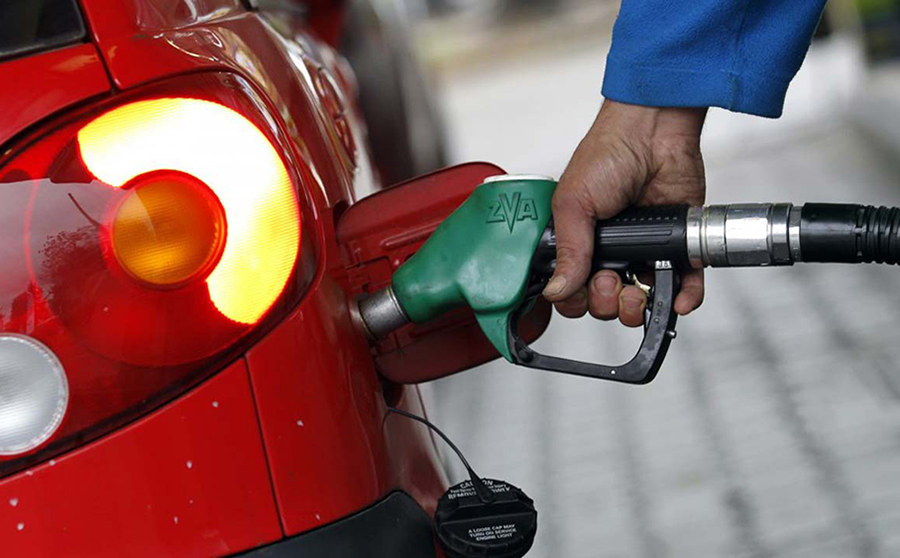
These skyrocketing oil prices have led to a jump in the price of petrol in Nigeria with a litre now selling for between N1,230 and 1,300. Nationwide.