Follow Us on Google Discover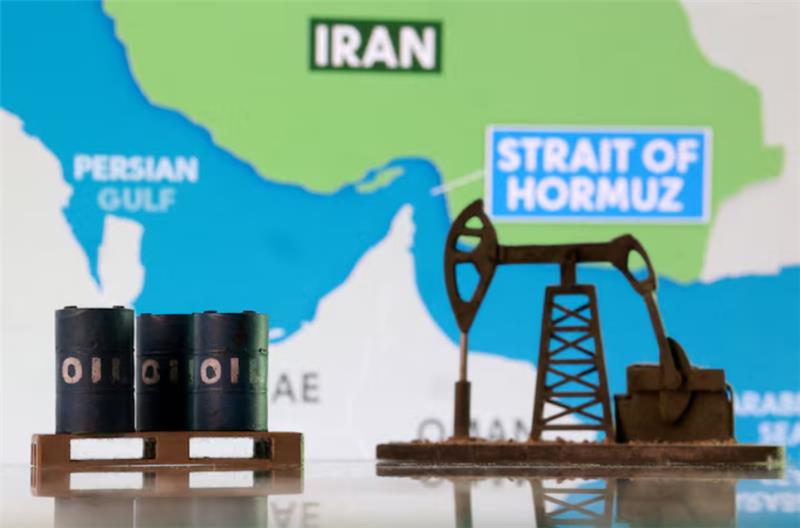
The International Energy Agency (IEA) has expressed concerns that the war in the Middle East is triggering the largest supply disruption in the history of the global oil market, noting that Gulf countries have cut oil production by at least 10 million barrels per day.
According to the agency, the conflict has sharply curtailed global energy supplies, with oil flows through the strategic Strait of Hormuz shipping corridor plunging dramatically since hostilities escalated.
In its monthly report for March released on Thursday, the IEA said the conflict is also having a significant impact on global product markets, with export flows through the strait at a near standstill.
What the report is saying
The IEA noted that global oil supply is projected to plunge by 8mb/d this month.
Also Read
- “The war in the Middle East is creating the largest supply disruption in the history of the global oil market.
- “With crude and oil product flows through the Strait of Hormuz plunging from around 20 mb/d before the war to a trickle currently, limited capacity available to bypass the crucial waterway, and storage filling up, Gulf countries have cut total oil production by at least 10 mb/d.
- “In the absence of a rapid resumption of shipping flows, supply losses are set to increase,” the agency noted.
More insights
The agency said the disruption is expected to have an immediate impact on global supply levels, projecting that worldwide oil supply will drop sharply in the near term as the conflict continues to disrupt production and transport routes.
- “Global oil supply is projected to plunge by 8mb/d in March, with curtailments in the Middle East partly offset by higher output from non-OPEC+ producers, Kazakhstan and Russia, following disruptions at the start of the year.
- “While the extent of losses will depend on the duration of the conflict and disruptions to flows, we estimate global oil supply to rise by 1.1 mb/d in 2026 on average, with non-OPEC+ producers accounting for the entire increase,” the report stated.
According to the IEA, beyond crude production, the war is also affecting global refined product markets as exports from the Gulf grind to a halt.
- “Gulf producers exported 3.3 mb/d of refined products and 1.5 mb/d of LPG in 2025. More than 3 mb/d of refining capacity in the region has already shut down due to attacks and a lack of viable export outlets,” it added.
Backstory
In response to the disruption, IEA member countries agreed on Wednesday to release emergency oil supplies to stabilise the market.
- The countries unanimously agreed to make 400 million barrels of oil from their emergency reserves available to the market to address disruptions stemming from the war in the Middle East.
While the IEA noted that the intervention might have an immediate effect, it stated that the long-term solution is for shipping to resume through the strait.
What you should know
Oil markets have reacted sharply to the crisis since the United States–Israeli war against Iran began nearly two weeks ago.
- Prices surged after joint air strikes by the US and Israel on Iran in late February disrupted regional oil infrastructure and tanker traffic through the Strait of Hormuz, pushing Brent crude close to $120 per barrel before easing to around $92 per barrel.
- The crisis has also led to large-scale disruptions to gas supplies as major producer QatarEnergy shut down downstream operations and declared force majeure.
The conflict continues to have ripple effects across the global economy, with consumers paying higher prices for petroleum products.