Follow Us on Google Discover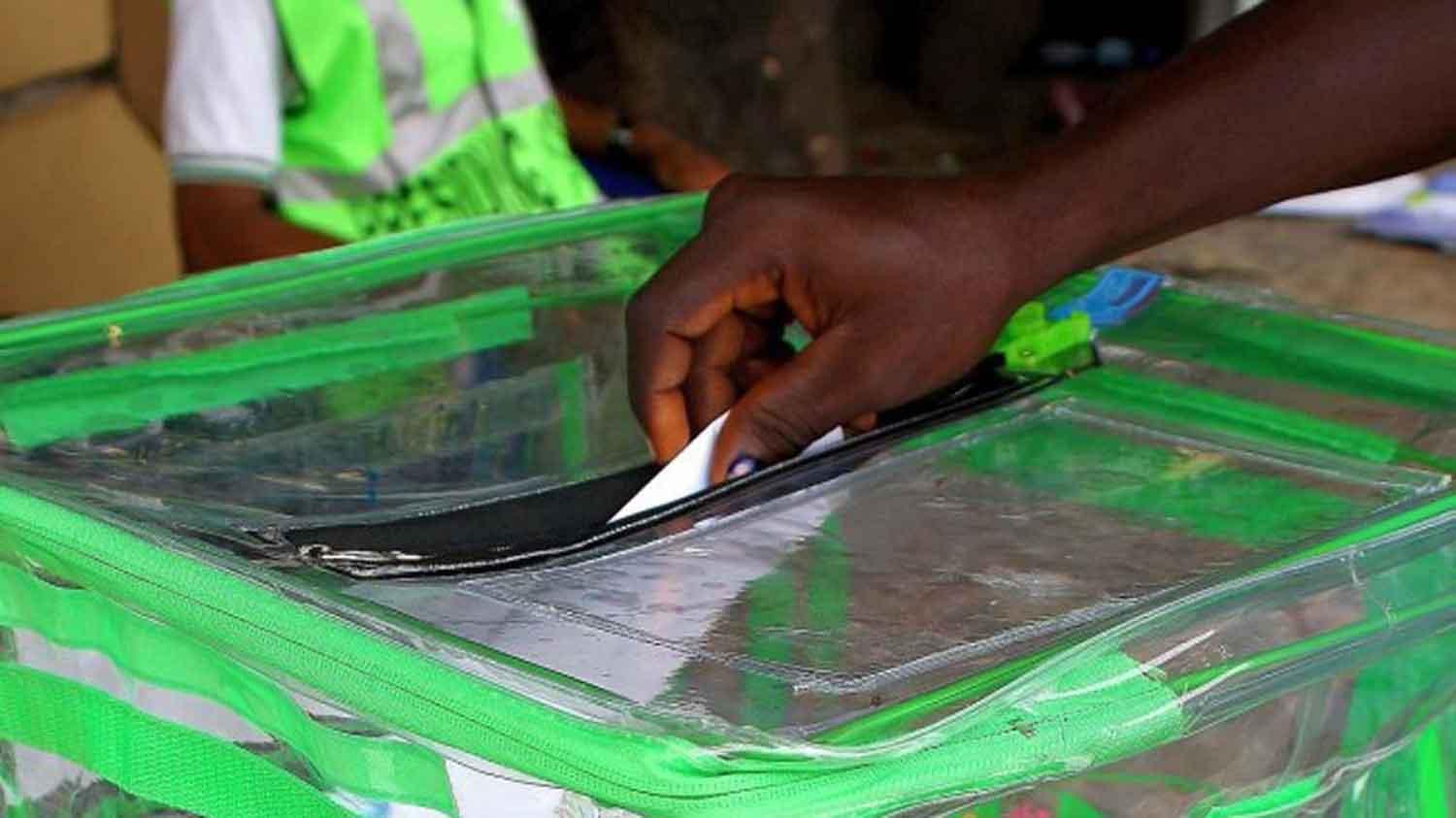
Stakeholders in Nigeria’s blockchain ecosystem have proposed the adoption of blockchain technology as a tool to improve transparency in the country’s electoral process, arguing that it could help eliminate result manipulation and rebuild voter confidence.
The proposal was discussed during an X Space hosted by the Stakeholders in Blockchain Technology Association of Nigeria (SiBAN) over the weekend, titled “From Ballot to Blocks: Can Blockchain Fix Nigeria’s Elections?”
Participants at the space noted that while blockchain is not a cure-all for Nigeria’s electoral challenges, the technology offers a verifiable framework that can protect the integrity of election results and potentially address voter apathy.
Blockchain, the technology powering cryptocurrencies, is a decentralized, distributed, and immutable digital ledger that records transactions across a network of computers. Data is stored in “blocks” that are cryptographically linked in a chronological chain, ensuring high security, transparency, and eliminating the need for trusted third-party intermediaries.
Also Read
What they are saying
Speaking during the session, CEO of Alpha-Geek Technologies, Oluwaseun Dania, said that despite improvements in Nigeria’s electoral process, public trust in election outcomes remains weak.
According to him, voter apathy is often driven by the perception that votes are manipulated during transmission and collation stages.
He explained that blockchain could help address this by creating a transparent and tamper-resistant system for recording election results.
- “The real opportunity is actually much simpler. Blockchain is not there to change how Nigerians vote, but to technically protect the integrity of the votes that are cast.
- “People will be more confident knowing that as they are casting their votes, the results are being recorded on the blockchain, visible to everybody all over the world,” Dania said.
He added that the time-stamped and verifiable nature of blockchain records could encourage millions of disengaged citizens to return to the polls.
More insights
Despite the enthusiasm around the technology, speakers emphasized the need for a cautious and gradual adoption strategy due to challenges such as low internet penetration and limited digital literacy.
Dania proposed a hybrid approach rather than an immediate shift to full electronic voting.
He suggested that foundational elements of the electoral system could first be migrated to blockchain infrastructure.
This could include storing National Identification Numbers (NIN) and voter registers on secure blockchain networks, as well as using the technology to record election results during transmission from polling units to collation centres.
He also recommended the development of simplified user interfaces so that voters would not need technical knowledge of blockchain or smart contracts to participate in the system.
Also speaking during the session, Harry Ugorji, CEO of Egoras Technology, suggested that political parties could serve as testing grounds for blockchain-based voting systems before a nationwide rollout.
He noted that concerns about blockchain transaction fees could be addressed through a system where polling agents digitally sign election results using private keys without incurring costs.
- “They have to scan the EC8A form. Once they scan and upload, there should be an AI-based layer that extracts that information and transmits it to the smart contracts. This data can be saved using IPFS so that at every point in time, everybody can verify that data,” Ugorji said.
According to him, such a system could enable a real-time data-streaming electoral process, eliminating the opaque period between vote casting and result announcements where manipulation often occurs.
What you should know
Last month, the Chairman of the Independent National Electoral Commission (INEC), Prof. Joash Ojo Amupitan, announced plans to expand deployment of technology to enhance transparency in the 2027 General Elections scheduled to commence in January next year.
However, the type of new technologies to be deployed was not disclosed.
His remarks came amid concerns over the real-time transmission of election results and the Senate’s recent approval of a combination of electronic and manual transmission of results, particularly in areas with network challenges.