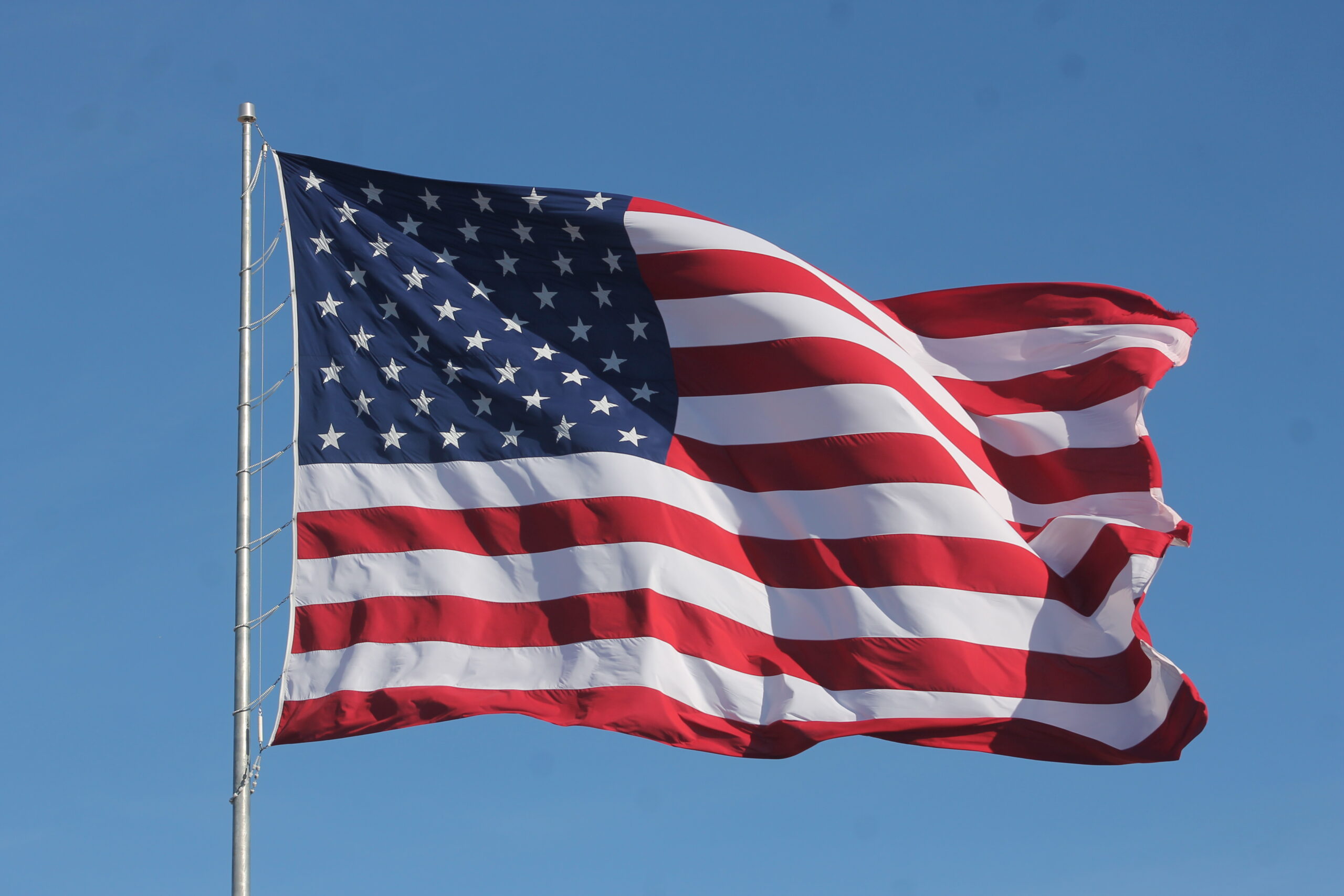
The United States has signed into law a US$5.88 billion bipartisan spending package aimed at strengthening the global fight against HIV.
This was confirmed in a press release by UNAIDS, which highlights the United States’ continued commitment to the HIV response worldwide.
The package provides funding for bilateral HIV programs, the Global Fund, and UNAIDS itself, reinforcing US leadership in achieving global HIV targets.

What UNAIDS said
According to UNAIDS Executive Director Winnie Byanyima, the funding will provide life-saving support for millions of people in partner countries while ensuring that global HIV programs remain efficient, data-driven, and results-oriented.
- “US President Donald Trump signed the consolidated spending package into law on 3 February 2026 which allocates US$ 4.6 billion to bilateral HIV support through the America First Global Health Strategy, US$ 1.25 billion to the Global Fund to Fight AIDS, Tuberculosis and Malaria and US$ 45 million to UNAIDS.
- “I thank President Trump and the US Congress for their continued commitment to HIV and global health,” said Winnie Byanyima, Executive Director of UNAIDS. “This US investment will provide life-saving support for millions of people in partner countries and help to ensure that the global HIV response remains efficient, data-driven and delivers results.”
They stated that the package supports the America First Global Health Strategy and emphasizes achieving UNAIDS’ 95-95-95 targets, a framework aimed at ending AIDS as a public health threat by 2030.
Why this matters
Nigeria continues to face a significant HIV burden, with an estimated about 2 million people living with HIV and a national prevalence rate of around 1.4 percent of the adult population.
- Of those living with the virus, roughly 1.6 million Nigerians are currently receiving treatment.
- Much of Nigeria’s HIV progress has depended on international funding for testing, treatment, prevention services and data systems that track and improve outcomes.
Without sustained support, millions of Nigerians who need antiretroviral therapy and related health services could face disruptions or reduced access to life-saving care.
Get up to speed
For more than two decades, the United States has been the world’s largest contributor to the global HIV response through major initiatives like the President’s Emergency Plan for AIDS Relief (PEPFAR) and its support for the Global Fund to Fight AIDS, Tuberculosis and Malaria, as well as contributions to UNAIDS.
Since its launch in 2003 under President George W. Bush, PEPFAR has provided cumulative funding exceeding US$120 billion and is credited with saving more than 25 million lives and preventing millions of new infections across more than 50 countries.
- However, the landscape shifted substantially beginning in early 2025 when the US government introduced sweeping changes to its foreign aid framework. An executive order in January 2025 paused much of the United States’ foreign development assistance, including funding for key health programs, pending review under new policy goals.
- This cutback had immediate consequences in many low‑ and middle‑income countries that relied on US support for antiretroviral treatment, testing, prevention services and health worker training.
These policy shifts triggered concern among international health officials and communities worldwide that decades of progress in combating HIV could be reversed.
What you should know
Nigeria spends about $120 per capita on healthcare each year, with only around $30 coming from government sources, while the bulk of the cost is paid out-of-pocket by individuals.
- This funding structure has left millions of Nigerians vulnerable, particularly in accessing quality primary healthcare and essential medical services.
- Last year, the United States pledged nearly $2 billion in grant funding to support Nigeria’s health sector over a five-year period from 2026 to 2030, a move aimed at closing long-standing gaps in healthcare financing and service delivery across the country.
- The United States remains by far the largest government donor to the global HIV response. In 2024, the U.S. provided roughly US$6.69 billion in HIV funding, accounting for about 80% of total donor government support for HIV in low‑ and middle‑income countries.
Other major government donors lag far behind, with France contributing about $314 million, Germany $226 million, the United Kingdom $218 million, and the Netherlands $192 million over the same period.