Follow Us on Google Discover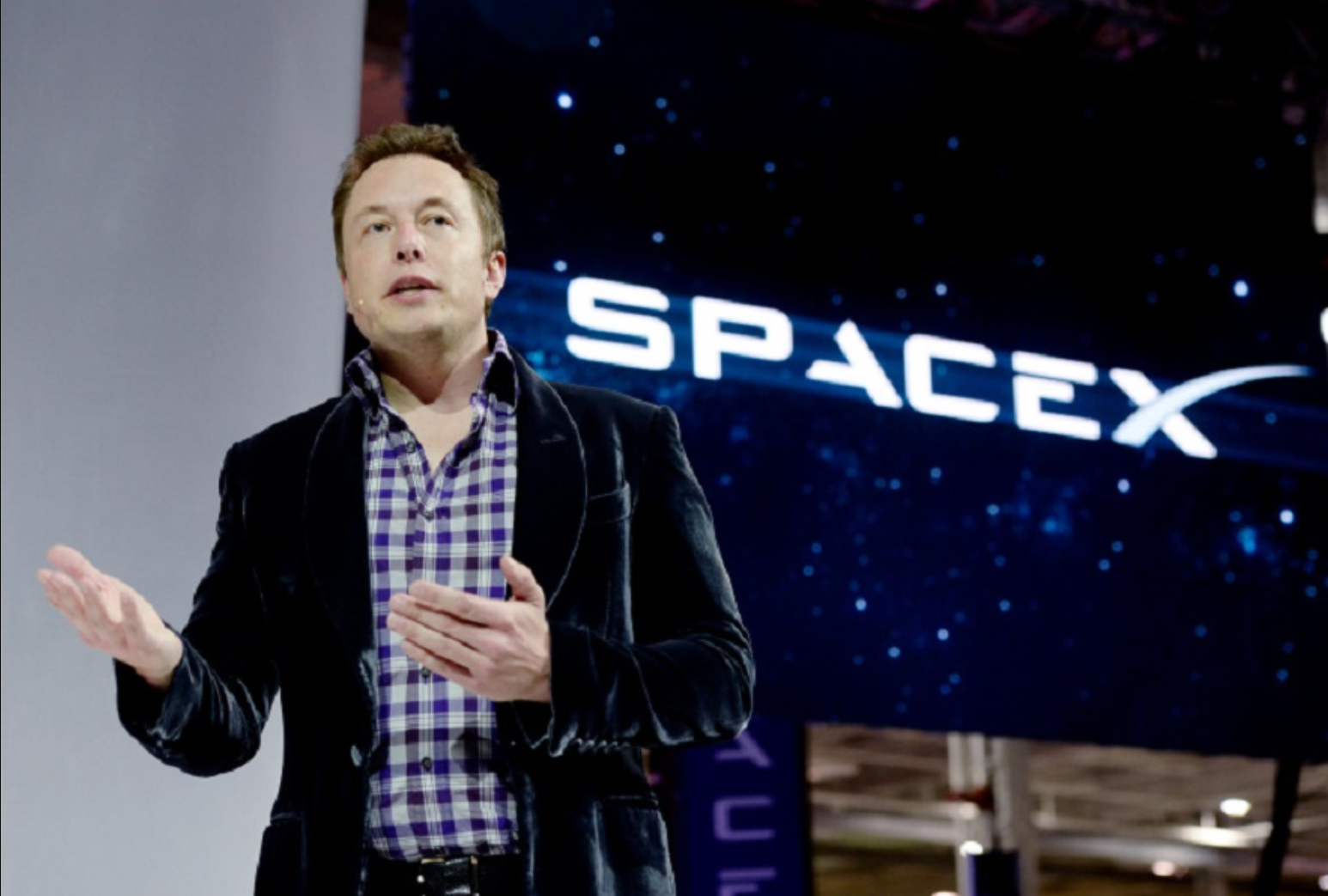
Elon Musk’s SpaceX has combined with his artificial intelligence startup, xAI, in a deal that values the enlarged entity at $1.25 trillion.
The transaction, which was confirmed in a statement published on SpaceX’s website, underscores Musk’s ambition to tightly integrate artificial intelligence, space technology, and global communications infrastructure under a single corporate umbrella.
According to sources who spoke with Bloomberg, the deal assigns a valuation of $1 trillion to SpaceX and $250 billion to xAI.
The all-stock transaction was disclosed to employees in an internal memo earlier on Monday, following a Bloomberg News report on the planned combination.
Also Read
What they are saying
In an excerpt by the company on Space X website, the announcement reads.
“SpaceX has acquired xAI to form the most ambitious, vertically-integrated innovation engine on (and off) Earth, with AI, rockets, space-based internet, direct-to-mobile device communications and the world’s foremost real-time information and free speech platform.
“This marks not just the next chapter, but the next book in SpaceX and xAI’s mission: scaling to make a sentient sun to understand the Universe and extend the light of consciousness to the stars!
“Current advances in AI are dependent on large terrestrial data centers, which require immense amounts of power and cooling. Global electricity demand for AI simply cannot be met with terrestrial solutions, even in the near term, without imposing hardship on communities and the environment”, Elon added.
In the statement, Musk described the rationale behind the merger as the creation of what he called “the most ambitious, vertically integrated innovation engine on and off Earth.” The combined entity is expected to span rockets, satellite-based internet through Starlink, direct-to-mobile communications, artificial intelligence systems, and real-time information platforms.
Backstory
The merger comes as Musk faces rising costs tied to his aggressive push into AI development. xAI, which operates the Grok chatbot, is reported to be burning around $1 billion monthly as it races to compete with other global AI leaders.
By merging with SpaceX, the AI startup gains access to deeper pools of capital, advanced computing resources, and a global satellite network, while SpaceX positions itself as a central player in the future of AI infrastructure.
Sources familiar with the deal said the combined company still plans to pursue an initial public offering later in 2026.
Prior to the merger, SpaceX had been preparing for a potential IPO that could raise as much as $50 billion, which would rank as the largest initial share sale in history. Shares in the combined firm are expected to be priced at about $526.59, though final offering terms have not been publicly disclosed.
What you should know
Musk has also advanced a controversial vision of moving AI computing into space. In the statement, he argued that within two to three years, the most cost-effective way to run large-scale AI computations would be in orbit, citing potential efficiency gains and scalability.
To support this plan, SpaceX has reportedly sought regulatory approval to deploy up to one million satellites around Earth.
The transaction further intertwines Musk’s businesses. In 2022, he acquired Twitter, later rebranded as X, and subsequently merged the platform with xAI in a $33 billion deal, blurring lines between social media, AI, and data infrastructure.
Despite the risks, SpaceX remains Musk’s most stable and profitable venture. The company is a critical launch partner for NASA and the US Department of Defense, and its Starlink satellite network, now comprising over 9,000 satellites, has become its largest revenue driver, outpacing launch services.