Follow Us on Google Discover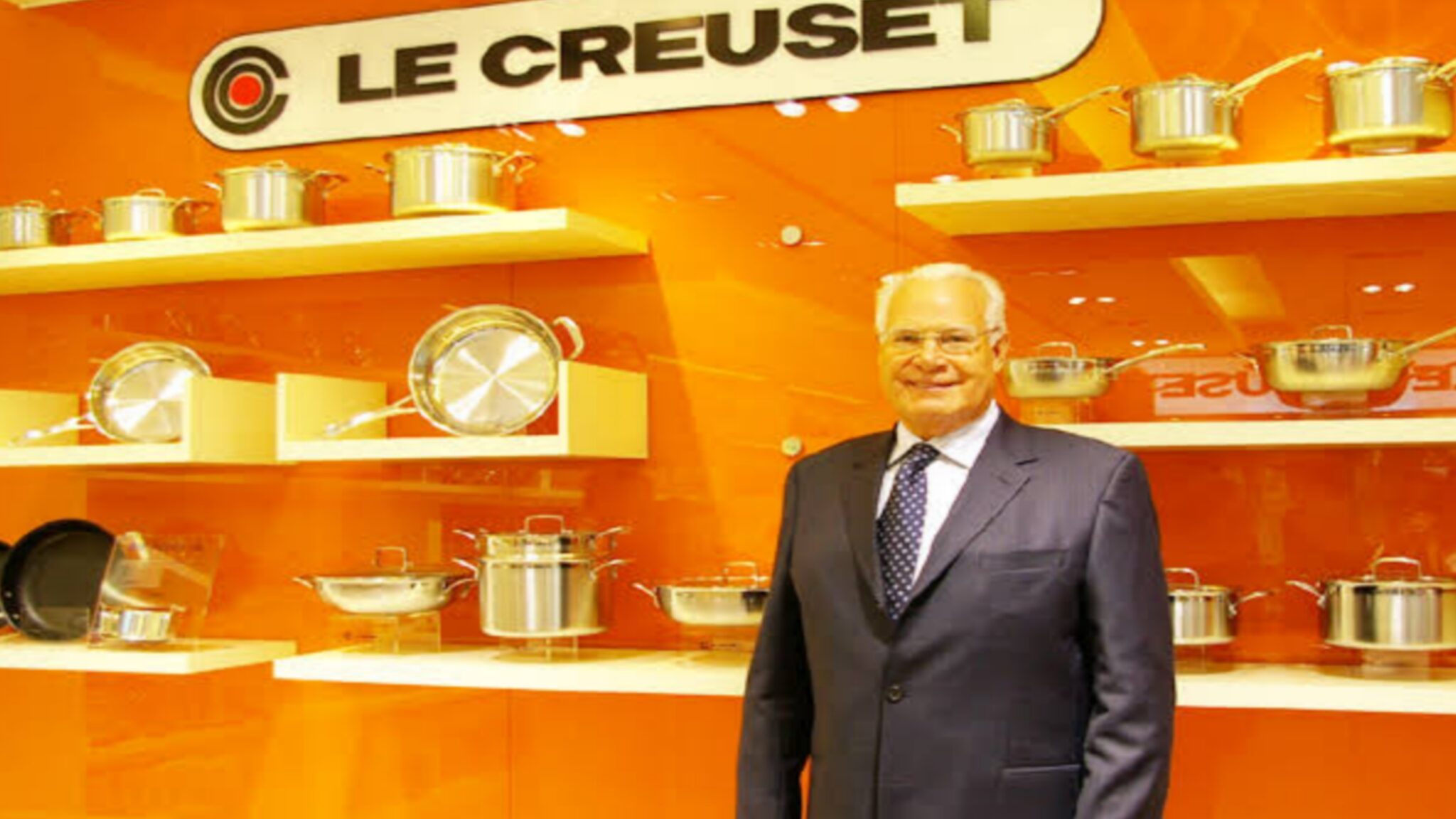
South Africa has a new billionaire, Paul van Zuydam.
The 87-year-old industrialist and owner of the French cookware empire Le Creuset has joined the Forbes Real-Time Billionaire Index with an estimated net worth of $1.7 billion, making him the eighth South African dollar-denominated billionaire.
His arrival shows shifting dynamics in the country’s wealth landscape, where fortunes are increasingly built beyond mining, retail, and telecoms.
Le Creuset was founded in 1925 in Fresnoy-le-Grand, France, and became famous for its enamel-coated cast-iron cookware decorated in the brand’s now-iconic “Volcanic Flame” orange.
For decades, it enjoyed cult status with chefs and home cooks alike. But by the late 1980s, years of internal disputes, uneven sales, and mounting debt left the business struggling. Van Zuydam, then leading homeware group Prestige, learned of the brand’s distress and travelled to the French factory, discreetly inspecting operations. What he found was a company rich in craftsmanship but structurally misaligned with modern retail.
He personally negotiated a deal to buy the company in 1988, resigning from Prestige after its acquisition by a US firm and securing approval from the French government to take control. His turnaround plan was deliberately conservative: preserve the heritage, modernize the business.
Production was consolidated around the French foundry, costs were streamlined, and strategic automation doubled daily output to more than 20,000 units. All cast-iron manufacturing remained in France, a move that bolstered the brand’s authenticity and pricing power.
About the company
Expansion came next. Le Creuset grew aggressively into the United States and Asia, building a premium lifestyle positioning rather than a commodity cookware profile. New colorways, limited-edition releases, and experiential retail helped transform the brand into a global aspirational symbol, appearing everywhere from Michelin-star kitchens to influencer-led home tours.
Crucially, the business has scaled without taking on external debt since 2001, an anomaly in a sector often dependent on leverage. Today, Le Creuset generates more than $850 million (R14 billion) in annual revenue, according to company disclosures, with van Zuydam remaining actively involved as president.
His status as a billionaire reflects not just personal fortune, but a broader shift in what drives wealth creation in South Africa. Cultural capital, design equity, and global brand stewardship can now rival traditional industrial wealth. Van Zuydam joins a cohort that includes Johann Rupert, Nicky Oppenheimer, Koos Bekker, Patrice Motsepe, Michiel le Roux, Christo Wiese, and Jannie Mouton, raising the country’s billionaire count to eight.
For South Africa, his ascent signals a simple truth: the next generation of fortunes may be forged not only in resources or finance, but in the global marketplace of identity, heritage, and brand storytelling.