Follow Us on Google Discover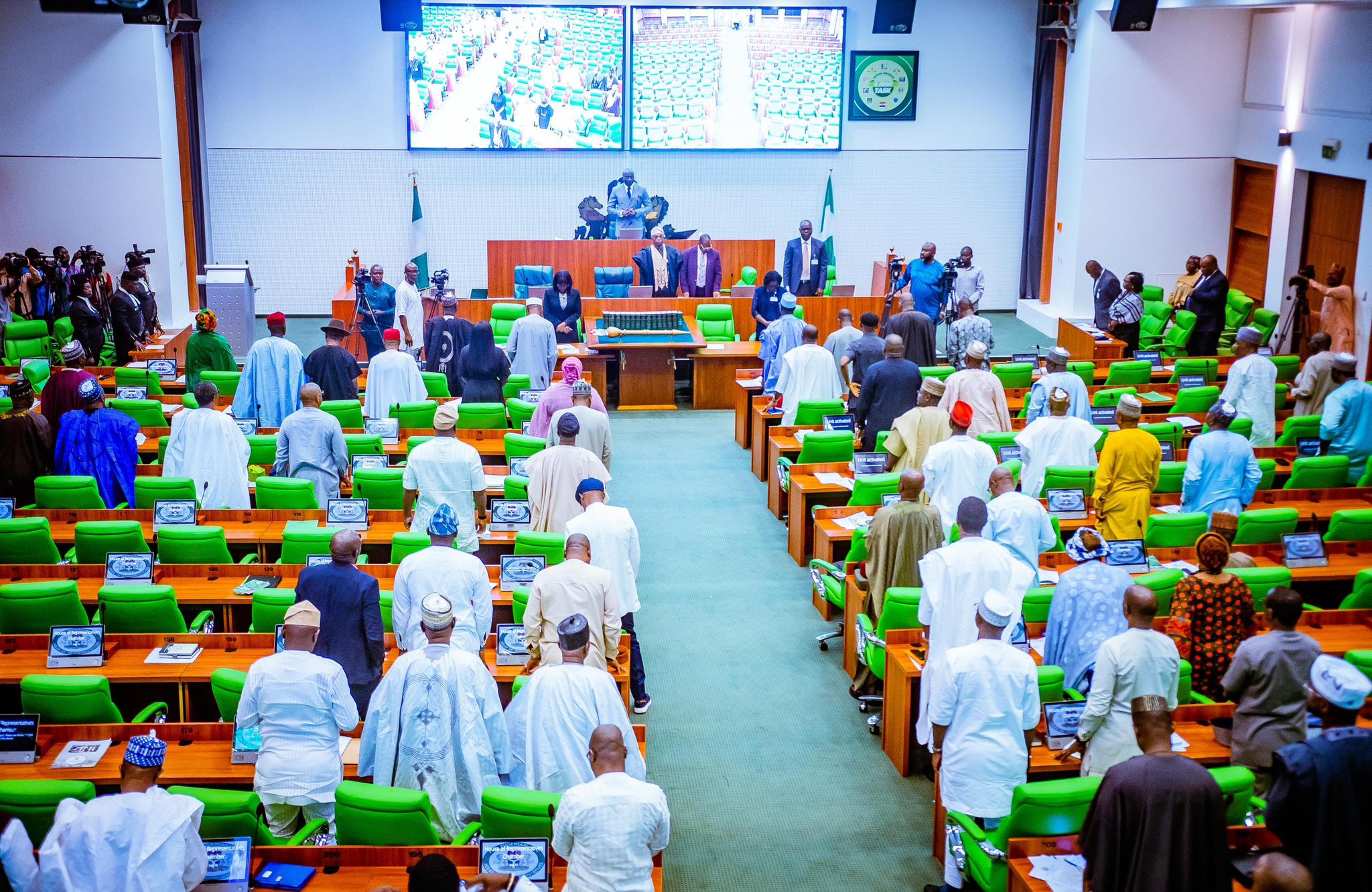
The House of Representatives has kicked off a sweeping review of all bilateral and multilateral treaties, protocols, agreements, and foreign-assisted contracts signed by Nigeria, in a move aimed at protecting the country’s sovereignty and national assets.
The announcement came from the Chairman of the Committee on Treaties, Protocols & Agreements, Rabiu Yusuf, who briefed House Correspondents in Abuja.
The initiative aims to safeguard national interests and ensure that international commitments do not compromise the country’s sovereignty.
What he said
Rabiu stated that the process is intended to strengthen constitutional oversight, protect national assets, and mitigate financial, legal, or security risks linked to Nigeria’s international agreements.
Also Read
“We have to stand as legislators to ensure checks and balances, as provided by the Constitution, by supervising and monitoring all agreements entered into on behalf of Nigeria.
“Our mandate is to examine all bilateral and multilateral treaties, protocols, agreements and foreign-funded contracts, and determine whether they protect or endanger our national interest,” Yusuf said.
The chairman stressed that the investigation is not political, but a necessary preventive and corrective measure.
- Yusuf explained that over the years, Nigeria has signed numerous treaties and contracts without adequate parliamentary oversight, domestication, or continuous monitoring.
- He highlighted that some of these agreements contain “hidden obligations, sovereignty waivers, unfavourable arbitration clauses or financial risks” that Nigerians are largely unaware of.
- Foreign-funded infrastructure projects will come under particular scrutiny, including the terms of loans, value for money, compliance with local content, labor and environmental standards, and overall contract performance.
“Nigeria cannot afford to enter into a treaty that weakens our legal authority, compromises national assets or burdens future generations with unsustainable liabilities,” he warned.
Constitutional powers invoked
The review is also meant to ensure full compliance with Section 12 of the 1999 Constitution, which requires National Assembly approval and domestication of treaties before they become legally binding in Nigeria.
The committee warned that agencies or stakeholders failing to cooperate would face sanctions, citing Sections 88 and 89 of the Constitution, which empower the National Assembly to enforce compliance.
What you should know
Nigeria’s engagement in international agreements has been robust across multiple fronts. In August, the federal government secured the return of Petrobras to Nigeria and signed agreements with Brazil focused on boosting trade and energy collaboration, marking one of the high‑profile foreign arrangements aimed at strengthening ties and investment in the energy sector.
- Around the same time, the government and Brazilian counterparts finalised a bilateral air services agreement with Trinidad and Tobago, closing a negotiation that had been pending for over two decades and unlocking new routes and aviation cooperation opportunities.
- Nigeria also advanced energy diplomacy by signing agreements with Algeria and Niger to support the Trans‑Saharan Gas Pipeline, positioning the country at the heart of regional energy infrastructure projects that reach into European markets.
Meanwhile, a high‑profile tax cooperation memorandum of understanding signed between the Federal Inland Revenue Service and France’s Direction Générale des Finances Publiques has become a focal point in national debate, with critics and civil society calling for greater transparency and raising questions about data sovereignty and the implications of foreign technical assistance in tax administration.