Follow Us on Google Discover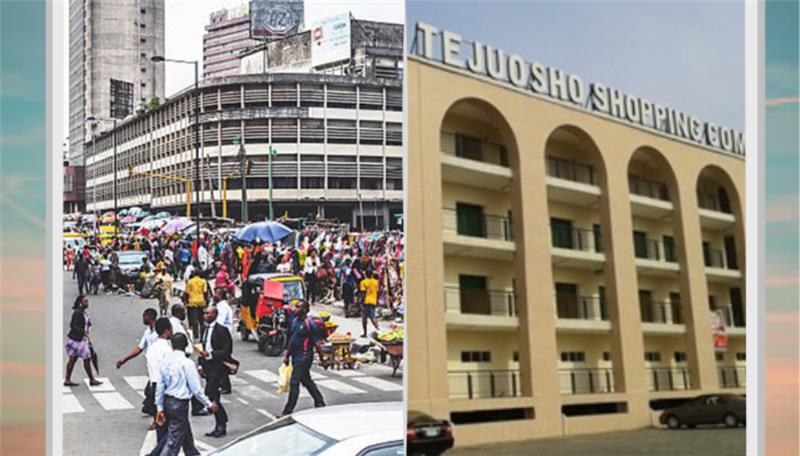
Starting a clothing business in Lagos always begins with a simple question: where do I buy the clothes? For decades, traders have flocked to the city’s bustling markets to source everything from children’s wear to jeans, native fabrics, and designer knock-offs.
Lagos isn’t just a city of trade; it is the beating heart of Nigeria’s fashion economy, and its markets remain the lifeline for entrepreneurs hoping to turn small investments into thriving businesses.
For newcomers, the challenge is often figuring out where to begin.
Lagos has dozens of markets, but not every market is built for wholesale clothing. Some are dominated by fabrics, some by imported stock, and others by locally made attire. Knowing which market serves your purpose can save you money, time, and endless frustration.
Other News
Clothing is one of the few trades that never runs out of demand. Weddings, birthdays, church events, school functions, there is always a reason to dress up in Nigeria, and Lagos is the engine room that keeps that fashion wheel turning.
The truth is, Lagos markets reward those who understand them, and for anyone stepping into the clothing business, the city’s crowded alleys and bustling open stalls offer the perfect starting point where fashion enterprises are born.
Here are the top ten markets in Lagos where you can buy wholesale clothing for your business.
Aswani Market
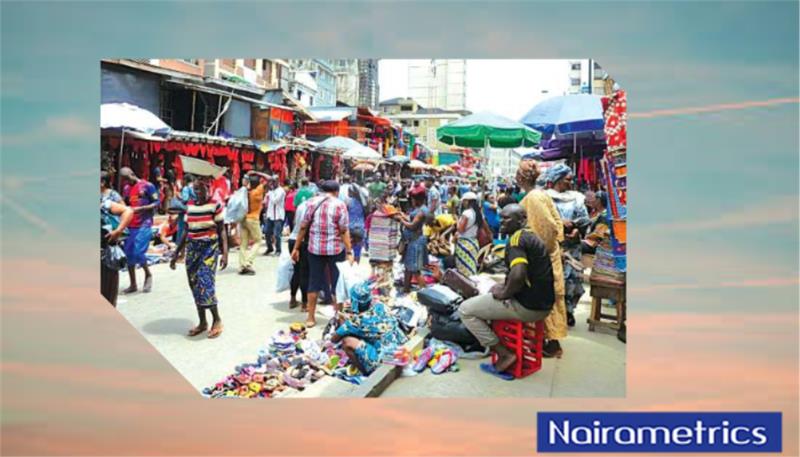
Aswani Market is situated near the 5 Star Bus Stop in Isolo. The market traces its origins to the Aswani Textile Industry, which began operations in the early 1980s within the Isolo Industrial Estate.
The industry specialized in locally produced textiles, and over time, the surplus goods gave rise to the Market. Today, Aswani Market is renowned for its vast array of second-hand clothing, offering affordable fashion options to a diverse clientele.
Shoppers can find a wide range of garments, including dresses, shirts, trousers, skirts, and jackets, catering to various tastes and preferences. These items are available in different grades, with Grade 1 stores offering higher-quality pieces. The market is especially popular among women seeking fashionable yet budget-friendly options.
In addition to clothing, Aswani Market boasts a diverse selection of footwear and accessories. Shoppers can find shoes, sandals, slippers, handbags, and belts, both new and second-hand, at competitive prices
Jankara Market
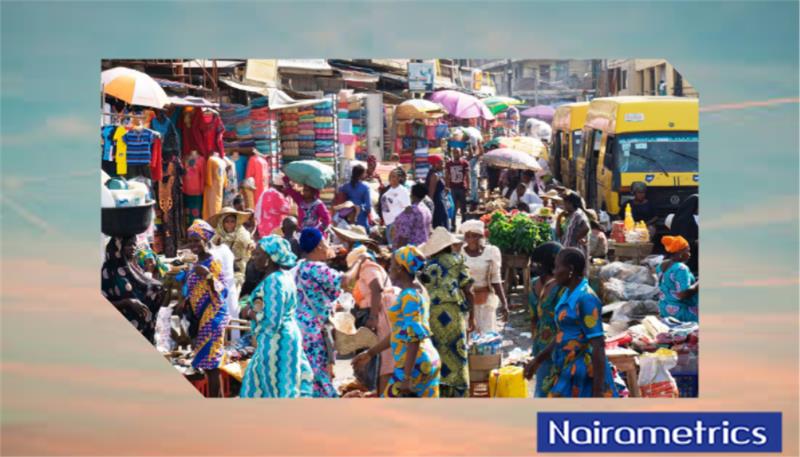
Jankara Market traces its origins to the period before the colonial era, making it one of Lagos Island’s historic commercial hubs where trade and cultural exchange flourished long before the arrival of the British.
The market is located in the Adeniji Adele area of Isale Eko, on Lagos Island. It was originally known for traditional crafts such as beads, aso oke, and kolanuts. Over time, it has evolved into a vibrant trading center, notable for locally made fabrics, second-hand clothing, accessories, and a wide variety of other goods.
Shoppers can find traditional Nigerian attire such as Aso Oke, Ankara prints, buba and iro, and agbada for men.
It also offers second-hand clothes for both men and women, ranging from casual wear like shirts, trousers, and dresses to more formal or ceremonial outfits. Additionally, there are accessories like scarves and head wraps.
Tinubu Square
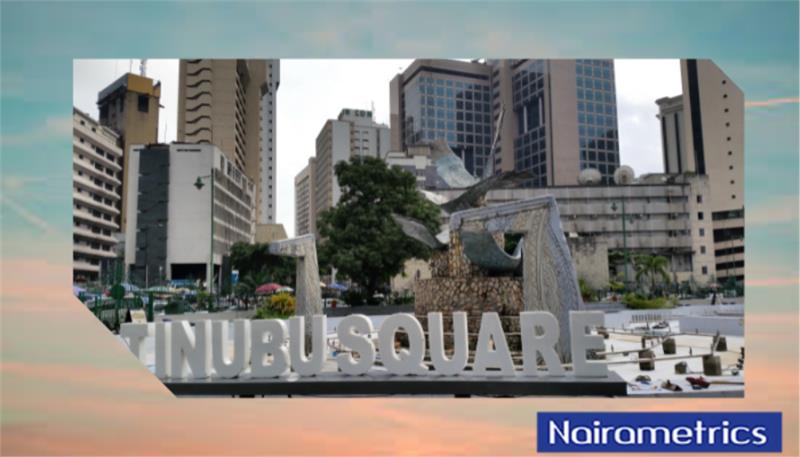
Tinubu Square, formerly known as Independence Square, is a public square located on Broad Street in Lagos Island.
The square was named after Madam Efunroye Tinubu, a prominent 19th-century Yoruba merchant and anti-colonial figure. It was originally called Ita Tinubu before being renamed Independence Square by leaders of Nigeria’s First Republic after the country’s independence, and subsequently reverted to its original name, Tinubu Square.
The square has undergone several renovations, with the most recent in 2017, aiming to enhance its appeal as a tourist destination. Today, Tinubu Square is well-known for the sale of men’s suits and traditional native wears, attracting shoppers from across Lagos seeking quality formal and cultural attire. It also hosts cultural exhibitions, including historical art installations.
Idumota Market
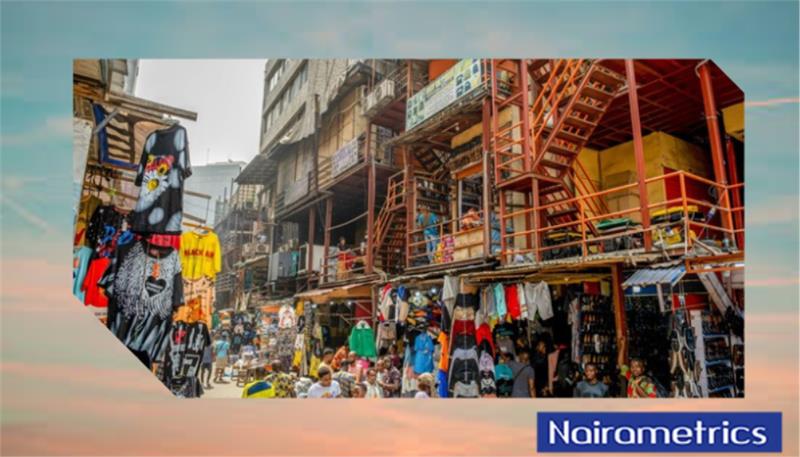
Idumota Market is located near Carter Bridge on Lagos Island and is one of the oldest and largest markets in West Africa. It covers lots of lanes and streets in the city centre, including Nnamdi Azikiwe Street, Docemo, Balogun, Oluwole, Dosumu, Breadfruit, Taiwo & Martins, and others
The market is renowned for its wide range of textiles and fabrics, including Ankara prints, lace, George, and traditional wrappers.
In addition to fabrics, the market offers ready-to-wear clothing and shoes for women and children.
Oshodi Market
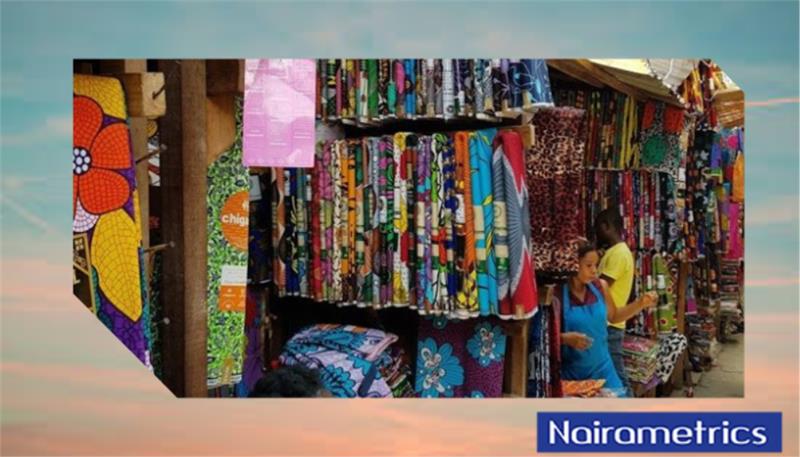
Oshodi Market is located at the heart of Oshodi-Isolo Local Government Area (LGA), on Lagos mainland.
The market was established in 1860 when Nigeria was under British colonial rule to support its slave trade activities. Oshodi was one of the first beneficiaries of the urban boom that occurred in the 19th Century. This was due to the construction of railway lines between Lagos and the North by the British-led government, for the transit of workers across the country.
Within Oshodi Market today, several specialised sections stand out. Kairo Market is known for selling judges’ attire and Hollandis lace, catering to formal and ceremonial clothing needs.
Meanwhile, Musafejo Market focuses on women’s lace clothing, offering a wide selection of fabrics and ready-made outfits for female shoppers.
Mandilas Market
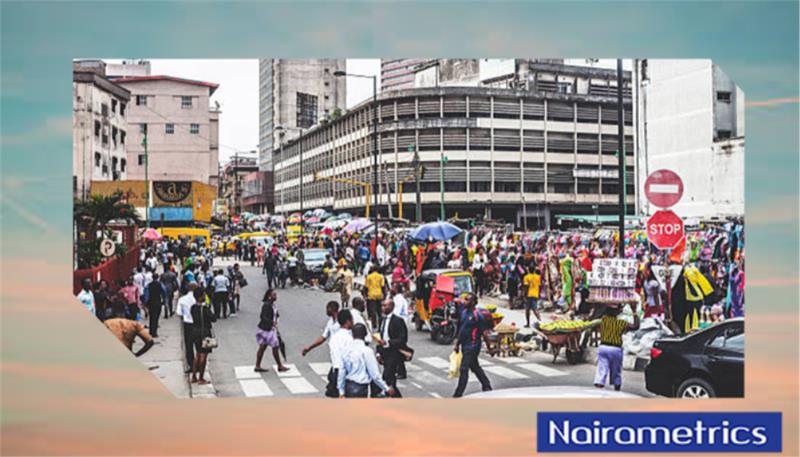
Mandilas Market, located on Martin Street in Lagos Island, is closely associated with the Mandilas Group, a prominent Nigerian business enterprise founded by John Mandilas.
In the mid-20th century, the group began as a distributor for brands such as Volkswagen and Carrier air-conditioners, later expanding to include its landmark building on Broad Street. This location, initially selling general goods and textiles, evolved into a hub for premium men’s fashion during the 1960s and 70s.
Today, Mandilas Market offers a wide selection of men’s clothing, including casual and formal wear, shoes, bags, and accessories, and remains one of Lagos’s key destinations for men seeking quality fashion.
Arena Market
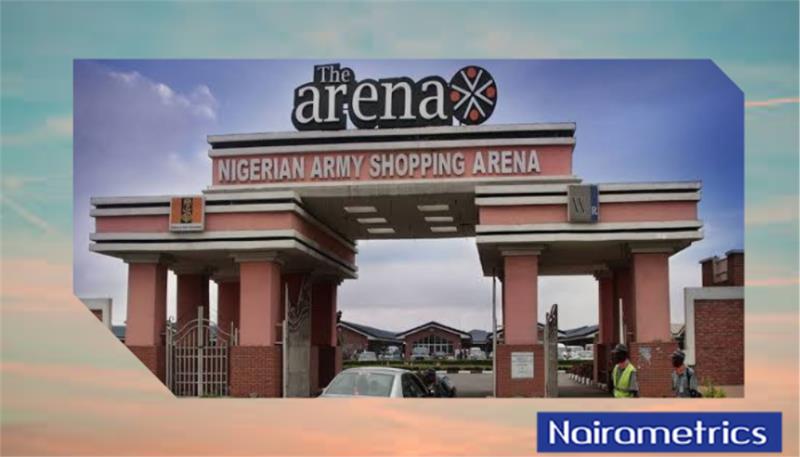
The Arena Market, also known as the Nigerian Army Shopping Arena, is a modern shopping complex located near the Bolade Bus Stop in Oshodi, developed through a public-private partnership with the Nigerian Army.
It was a transformation of the former military Mammy Market and now stands as a large, organized shopping destination with numerous warehouses and shops.
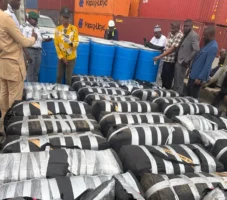
Traders open bales of imported used clothing for sale, the bales of garments include shirts, trousers, dresses, jackets, and shoes opened daily, offering shoppers affordable fashion options.
Balogun Market
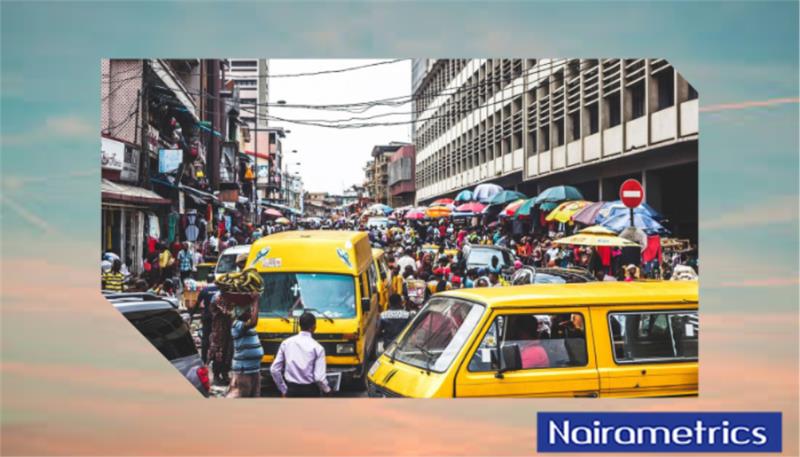
Balogun Market, one of Lagos Island’s most popular shopping destinations, dominates a large section of Lagos Island without a single defined address, intertwining across numerous streets. It is renowned as the primary destination for purchasing fabrics, shoes, and diverse wares.
The market is named after Alli Balogun, a powerful 19th-century merchant whose extensive business interests helped shape the commercial life of early Lagos.
In an interview with traders, they disclosed to Nairametrics that the market is widely recognized as the go-to place for all the trendy outfits, including Instagram-inspired fashion and styles favoured by social media influencers.
Shoppers can find a wide variety of women’s clothing and children’s clothes as well. From brand-new imported fabrics to fairly used garments, the market caters to a diverse clientele. An area called Balen is particularly known for its extensive collection of jeans, as well as shirts.
Katangwa Market

The Katangwa Market is a massive and popular market in Lagos, primarily known as one of the largest and cheapest markets for thrift wears (fairly used imported wears).
The market is located in the Abule Egba area of the Lagos Mainland adjacent to Super Bus Stop, near the Lagos-Abeokuta Expressway, and is also sometimes referred to as Super Market.
The history of Katangowa Market dates back over four decades, when the area first welcomed settlers, predominantly Hausas. They were likely seeking new space away from the Yoruba-dominated town center to establish commerce, find shelter, and build livelihoods in Lagos, which was then the federal capital territory of Nigeria.
It is a daily market, with specific days like Mondays (for shoes and bags) and Tuesdays, Wednesdays, and Fridays often highlighted as major market days. The trades say the best deals are gotten mainly in the early hours of the morning.
Shoppers can buy everyday items such as shirts, t-shirts, tops, gowns, dresses, blouses, sweaters, skirts, jeans, chinos trousers, and suits/blazers for corporate wear. They can also find complete up and down mixed wears for children and various complete wares for babies.
Yaba Market

The market is located at Yaba Local Council Development Area (LCDA), which was carved out of the larger Lagos Mainland LGA.
The market is especially known for the large volume and affordability of clothing and second-hand items. A significant part of the market’s activity takes place at the Tejuosho Market, which was reconstructed into a modern shopping complex as part of a government initiative to upgrade the city’s commercial infrastructure.
The market is divided into two main sections that cater to different types of customers.
- Fairly used imported clothing

One side of the market is dedicated to thrifted imported clothing. Shoppers can browse through bales of garments, which are opened at locations such as POPO and Railway, offering a wide variety of styles, from casual wear to trendy fashion pieces. This section attracts both local buyers looking for quality imported clothing and retailers seeking to stock up on the latest styles.
- Locally made clothing

The other section of Yaba Market specializes in locally made fabrics and garments. Specifically at the Tejuosho shopping complex, traders are actively engaged in cutting and sewing fabrics in large quantities, preparing items for wholesale. The part is particularly popular with international buyers from countries like Tanzania, Togo, and Sierra Leone, who come to purchase locally made clothing in bulk to resell in their home markets.
Traders in an interview with Nairametrics disclosed that market days in Yaba are on Mondays, Wednesdays, and Fridays. These days are busiest for foreign buyers, who prefer to shop between 6 a.m. and 11 a.m, often finishing their purchases before the daily market officially kicks off.
This section also features a wide range of fabrics, including crepe, chiffon, silk, satin, lace, brocade, Ankara (African prints), Mikado, cashmere, cotton, and linen.