
 Follow Us on Google Discover
Africa’s workforce is rapidly expanding, hosting the continent’s top 10 most populous cities.
It is driven by a young, urbanizing population that is increasingly demanding fair compensation and better living standards.
As millions enter the labor market over the next decade, wages have become more than a simple cost for employers.
They are a key measure of economic health, social stability, and purchasing power.
Also Read
Despite holding promises and being home to some of the fastest-growing economies based on gross domestic product, understanding pay in Africa requires looking beyond nominal figures.
The real value of wages is shaped by purchasing power, which determines how far salaries go in covering essential goods and services, and purchasing parity, which enables meaningful comparisons of living standards across different economies.
In many cases, higher nominal wages may not translate into improved livelihoods if inflation, high costs of living, or poor access to basic services erode their value.
This context sets the stage for examining the top African countries with the highest minimum wages in 2025. These nations provide insight into where governments are prioritizing labor protections and economic resilience.
Their wage policies reflect both regulatory frameworks and attempts to align compensation with local purchasing realities.
Mauritania
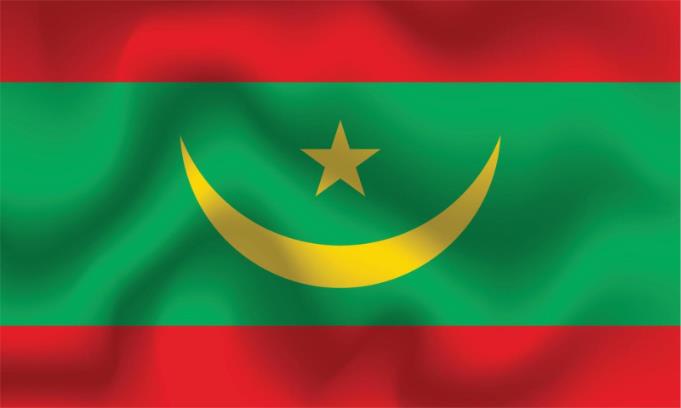
Minimum Wage: $112.64
Mauritania, officially the Islamic Republic of Mauritania, lies in Northwest Africa, bordered by the Atlantic Ocean to the west and Western Sahara to the north and northwest. With a population of about 5.3 million in 2025, the country accounts for just 0.065% of the global total, ranking 124th worldwide.
The IMF projects real GDP growth of 4.4% this year, supported by resource extraction and gradual diversification efforts. Nominal output is estimated at $11.47 billion, translating into a per capita income of $2,480. On a purchasing power parity basis, GDP rises to $40.1 billion, with per capita income at $8,650. Inflation is projected at 3.5% in 2025, relatively contained compared with peers in the region grappling with double-digit price pressures.
Egypt
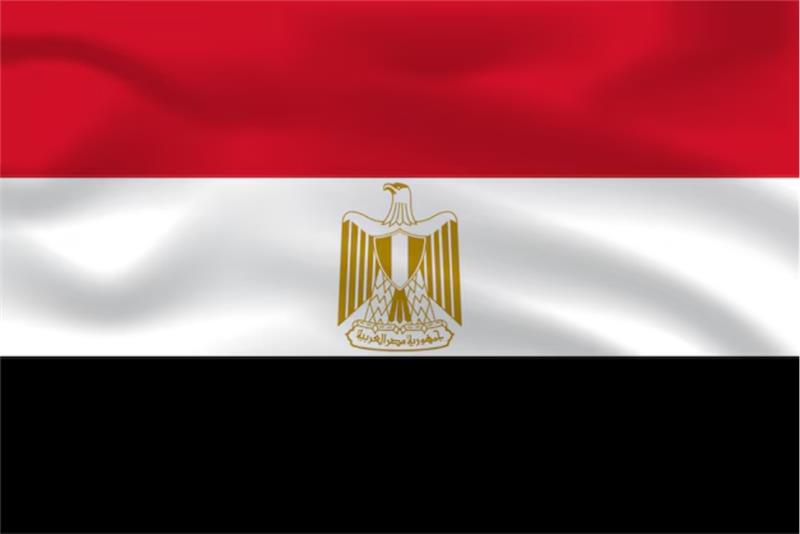
Minimum Wage: $145
Egypt’s economy remains one of Africa’s largest, with GDP estimated at $347 billion this year, according to IMF estimates. On a per capita basis, income stands at roughly $4,000, underscoring the gap between aggregate growth and individual prosperity.
Growth is expected to reach 4.2% in 2025, reflecting steady activity across services, energy, and trade, while the Suez Canal continues to anchor foreign exchange earnings. Remittances from Egyptians abroad also provide critical balance-of-payments support.
Yet, persistent inflation forecast to remain above 20% is eroding household purchasing power and amplifying the social cost of ongoing subsidy reforms.
Egypt’s demographic weight, with nearly 119 million people, has a 7.7% unemployment rate.
Algeria
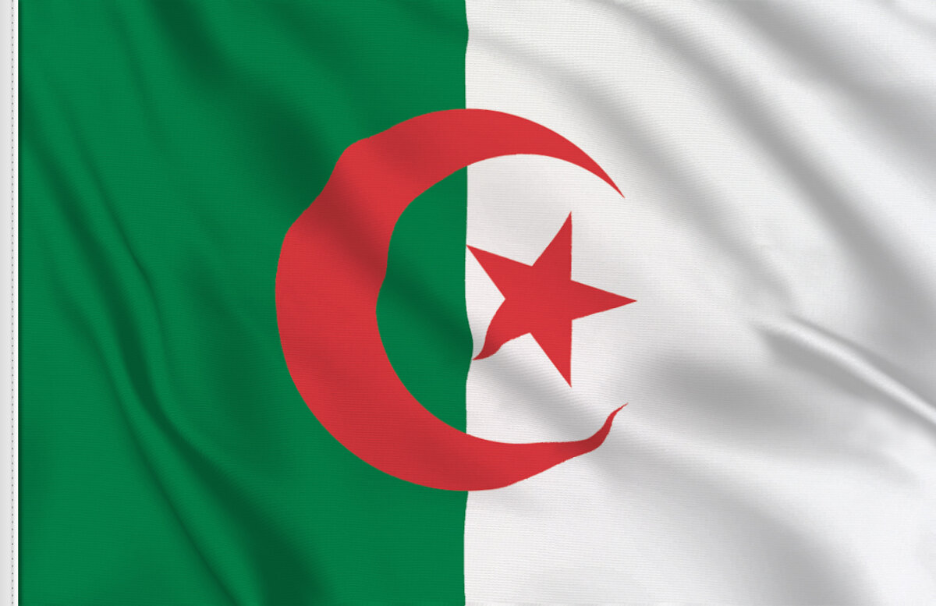
Minimum Wage: $154
Algeria, North Africa’s largest country by landmass, is home to an estimated 47.6 million people in 2025, making up 0.58% of the world’s population and ranking 33rd globally. Based on 2024 data, its employed working population stood at 13.2 million people.
Economically, Algeria is projected to post output of $268.9 billion in nominal terms this year, with per capita income at $5,690, according to IMF data.
Real GDP growth is forecast at 3.5% in 2025, reflecting resilience in hydrocarbons, the backbone of Algeria’s economy, as well as gradual diversification efforts.
Inflation remains contained at 3.7%, offering relative stability compared with regional peers battling higher price surges.
Tunisia
Minimum Wage: $181
Tunisia’s economy in 2025 reflects both resilience and strain, with output expanding modestly against the backdrop of inflationary pressures and global uncertainty. The country’s nominal GDP is projected at $56.29 billion, translating into roughly $4,530 per capita. As of Q2 2025, Tunisia has an employed population of 3.6 million.
Growth remains fragile, with the IMF estimating real GDP expansion at just 1.4% this year, well below the levels needed to absorb new entrants into the labor market. Inflation, averaging 6.1%, continues to erode household purchasing power.
Libya
Minimum wage: $185
Libya’s economy in 2025 is being reassessed as one of the more undercounted in North Africa, with new estimates highlighting the role of informal activity and outdated data.
Libya has an estimated GDP of $47.5 billion. The revision reflects not only a sizable shadow economy, estimated at 32% of national output, but also the reliance on an 11-year-old base year for GDP calculations, which dampens the accuracy of growth assessments.
The country’s population, at roughly 7.48 million, means Libya’s per capita output in PPP terms is robust compared to many regional peers. Preliminary forecasts project the economy reaching $215 billion in 2026 and expanding further toward 2030, provided oil revenues remain steady and political instability does not undermine investment and trade flows.
Equatorial Guinea
Minimum Wage: $231
Equatorial Guinea, one of Africa’s smallest nations by population, is navigating a difficult economic trajectory in 2025. With an estimated 1.94 million people, the country represents just 0.02% of the world’s population but has historically stood out on the continent for its high per capita income, largely driven by oil exports.
This year, however, the economy is contracting, with real GDP projected to shrink by 4.2%, reflecting both volatility in the energy sector and structural weaknesses in diversification.
Current GDP is valued at $12.68 billion in nominal terms, translating to $7,750 per capita. Yet these figures mask persistent inequalities, as much of the population sees limited benefit from the country’s resource wealth. Inflation is running at around 4% in 2025, adding pressure to households already grappling with economic stagnation.
South Africa
Minimum wage: $273.15
South Africa, the continent’s most industrialized economy, enters 2025 with a population estimated at 64.7 million and an economy that continues to tread a fragile recovery path. Growth is projected at just 1% this year, reflecting persistent structural bottlenecks, power supply challenges, and a slow pace of reform.
Nominal GDP stands at $410.34 billion, translating to $6,400 per capita. South Africa has an unemployment rate of 32.8% according to the IMF.
Inflation is expected to average 3.8% in 2025, easing from previous highs, but households remain under strain from rising living costs and limited job creation. In a bid to address wage disparities and protect vulnerable workers, the government implemented a national minimum wage hike on March 1, 2025, raising the hourly rate to R28.79.
Morocco
Minimum wage: $362
Morocco, with a population of 38.4 million in 2025 and a working-age population of about 12.5 million, is charting steady economic progress amid cautious optimism. Growth is projected at 3.9% this year, supported by resilient agriculture, expanding manufacturing, and a burgeoning services sector.
Nominal GDP is estimated at $165.8 billion, or $4,400 per capita, while purchasing power parity (PPP) raises the figure to $11,270 per capita, placing Morocco at 0.21% of the global economy.
Inflation remains relatively contained at 2.2%, giving the government more room to pursue policies that balance competitiveness with social protection. Its most recent minimum wage increase took effect in January 2025. Recent reports show that the government is set to increase wages by 20% effective next year.
Mauritius
Minimum Wage: $377
Mauritius, with a 2025 population of about 1.27 million, remains one of Africa’s most stable and diversified economies. The island nation’s labor force stood at nearly 595,000 in 2024, with just over half of its working-age population in employment, reflecting both progress in formal labor participation and ongoing structural challenges.
Economic growth is projected at 3% this year, underpinned by resilient tourism, financial services, and a growing technology sector. Nominal GDP is estimated at $15.5 billion, translating to $12,330 per capita.
This places Mauritius among the continent’s highest-income economies, though its share of global GDP remains modest at 0.02%.
Inflation, projected at 3.6% in 2025, underscores the delicate balance between sustaining growth and protecting household purchasing power in an import-dependent economy.
The latest major increase to the Mauritian national minimum wage took effect on January 1, 2024
Seychelles
Minimum Wage: $404
Seychelles, the Indian Ocean archipelago with a population of just under 133,000 in 2025, continues to stand out as one of Africa’s most prosperous economies on a per capita basis. The country’s employed population is estimated at 53,854, with an unemployment rate of 3%, according to the latest Labour Force Survey.
Real GDP growth is projected at 3.5% this year, driven largely by tourism, fisheries, and offshore financial services. Nominal GDP is estimated at $2.2 billion, equating to $21,630 per capita. Despite its size, Seychelles maintains one of the continent’s highest living standards, though its global GDP share rounds to zero.
Inflation is forecast at just 1.7% in 2025, among the lowest in Africa, reflecting prudent monetary management and stable external conditions. On April 1, 2025, Seychelles implemented its first minimum wage review since January 2020.
What the ILO’s new report says
Nigeria, Africa’s most populous nation and its largest economy, underscores the fragility of wage systems when policy adjustments lag behind economic realities. Despite revising its national minimum wage to N70,000 ($46 per month) in 2024, the country ranks among the lowest on the continent for real wage levels.
According to the International Labour Organization, Nigeria is one of 18 African countries where the real value of minimum wages has declined since 2015, falling by more than 40%. The drop has been particularly sharp since 2019, as inflation and successive naira devaluations eroded purchasing power and undermined the impact of wage revisions.
- Across Africa, the landscape of minimum wage systems is diverse and evolving. While Ethiopia, Eritrea, Somalia, and South Sudan remain exceptions, most countries now maintain some form of minimum wage, with Namibia and Zimbabwe joining the ranks in 2025.
- Yet, several nations, including Comoros, Gambia, Guinea-Bissau, Uganda, and Rwanda, have legal frameworks that remain largely inactive due to outdated regulations or missing implementation decrees.
- Approaches vary widely: some countries, such as Egypt, Mali, Nigeria, and South Africa, apply a single national rate, while others rely on complex multi-tiered systems that differ by sector, occupation, or region.
Wage policies are integral to advancing social justice and promoting decent work for all. Well-designed and effectively enforced minimum wage policies can provide fair income, reduce poverty and inequality, and support business sustainability and economic growth.
How much costs the screwless dental implant here in Mauritius