
 Follow Us on Google Discover
Feeding a city of over 17 million people is no small feat, and Lagos does it through a complex web of bustling food markets that keep grains, vegetables, fish, meat, and other staples moving daily.
These markets are not just trading points, they are the heartbeat of the city’s food economy, sustaining households, driving wholesale and retail businesses, and shaping the cost of living across Nigeria’s commercial capital.
Governor Babajide Sanwo-Olu has described Lagos as the country’s largest food market, noting that it consumes more than 50% of food traded across the South-West. He also revealed that the state’s food economy is valued at about N16.14 trillion, making it one of the most significant drivers of local commerce.
According to the Lagos State Commissioner for Agriculture, Abisola Olusanya, disclosed that transactions in the state’s food markets reach an estimated N9 billion daily and over N5 trillion annually.
Also Read
These figures highlight the scale of activity taking place across the state’s markets, where traders from different parts of Nigeria and neighbouring countries converge daily to meet Lagos’s massive demand for food.
Here is the list of the major food markets in Lagos
Sabo market
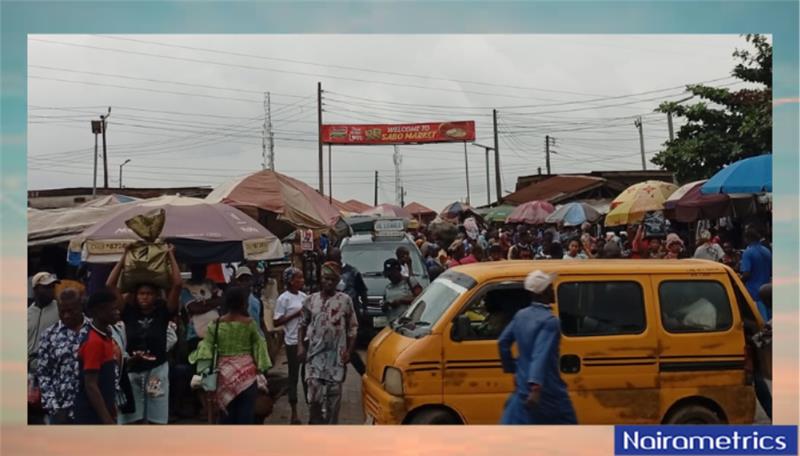
Sabo Market, located in Ikorodu, sits strategically along the Ikorodu-Epe Road and serves as one of the town’s major trading hubs. The market has multiple entrances, with two accessible from the Epe-Itokin Road and another through Adeniran Ogunsanya Road, making it easy for traders and buyers to move in and out despite the heavy traffic that often builds up in the area.
The market is a large general-purpose market serving Ikorodu and its environs. Goods sold include foodstuffs (fresh and perishable), farm produce, livestock, frozen foods, dry goods like rice and beans,
It also accommodates traders dealing in textiles, kitchenware, electronics, and second-hand clothing. Its mix of traditional open-air stalls and more structured shops makes it accessible to all categories of buyers.
Oko-Oba Abattoir Agege
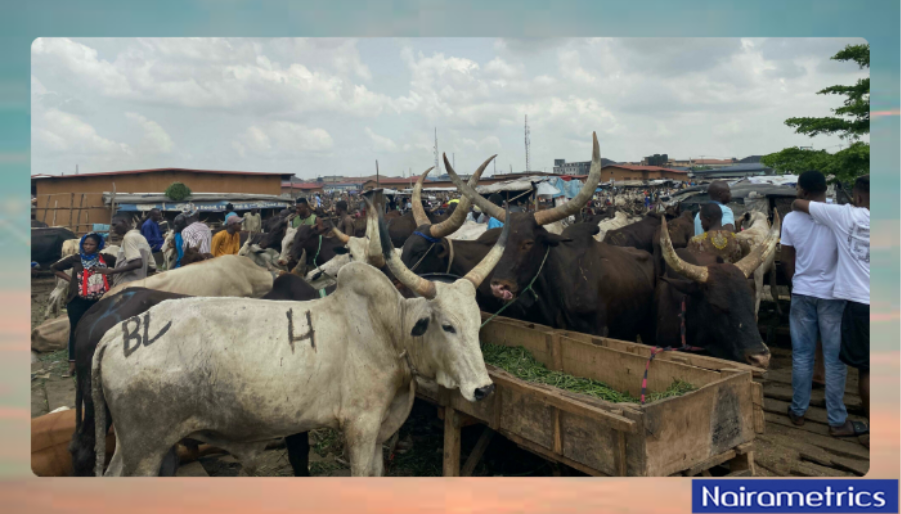
The Abattoir Market is one of Lagos hubs for meat, serving as a critical link between livestock suppliers and the city’s butchers, restaurants, and households.
The market is located in Agege Local Government Area. Butchers, both large-scale and small, gather here to purchase cows, sheep, goats, and other livestock in quantities that reflect the day’s anticipated demand.
Oko-Oba Abattoir market is divided into sections for live animals, slaughtering, and processed meat, allowing for an organized flow despite the constant hustle. Slaughtering is carried out daily, often in front of buyers, ensuring transparency and giving customers confidence in the quality of meat they are purchasing.
Freshly cut beef, goat meat, and mutton are then bundled and distributed to smaller markets, butcher shops, and restaurants across Lagos.
Ile-Epo market
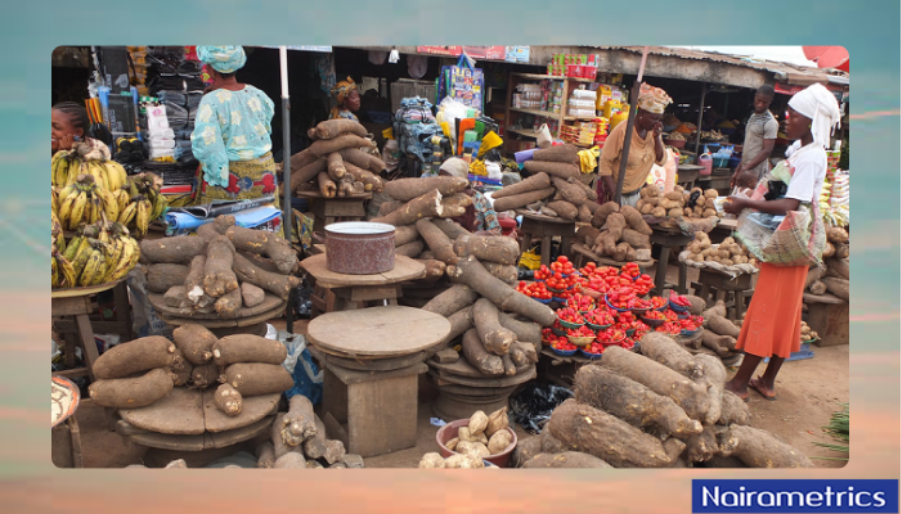
Ile-Epo Market, also known as Oja Oba, is located at Abule Egba, along the Old Abeokuta express way.
Its strategic location made it a natural midway point for traders moving goods between Ogun and Lagos, and over time, it has grown into a major center for food trade in the state.
Ile-Epo is particularly known for staple foods such as yam, rice, and garri, drawing supplies from multiple states to meet the high demand of Lagos’ ever-expanding population.
The market’s mix of wholesale and retail activity ensures that traders can move large volumes efficiently, while residents have easy access to the staples that form the backbone of local diets.
Ijora fish market
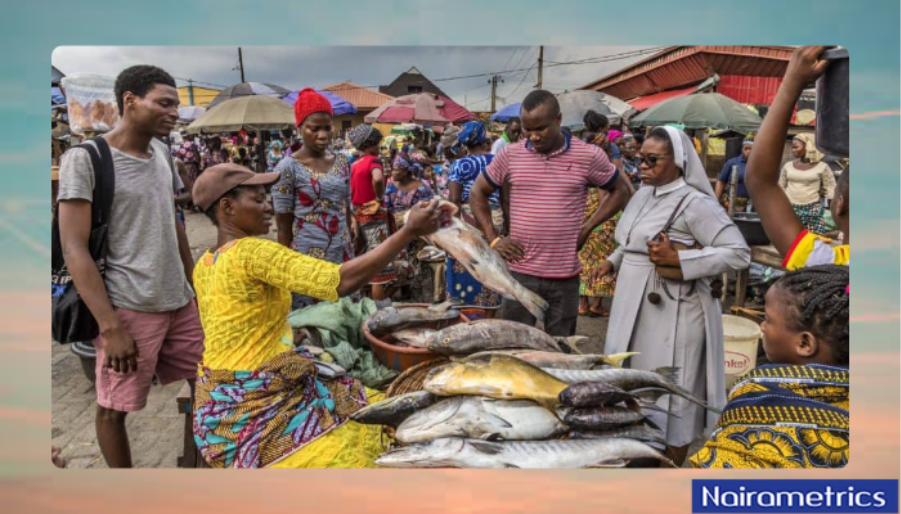
Ijora Fish Market is located near Apapa Sea Port and PHCN Ijora, it is one of Lagos main hubs for seafood.
According to a trader in an interview with Nairametrics, most of the fish arrive daily directly from the sea, transported in trucks or kept alive in tanks to ensure maximum freshness. The fish still breathing are a favorite for their unbeatable freshness.
The traders at Ijora Fish Market buy and sell, negotiating prices with skill learned over decades. Their stalls are filled with a variety of seafood, including tilapia, catfish, mackerel, and barracuda. There are also prawns, crabs, lobsters and other shellfish
Ounje Eko food markets
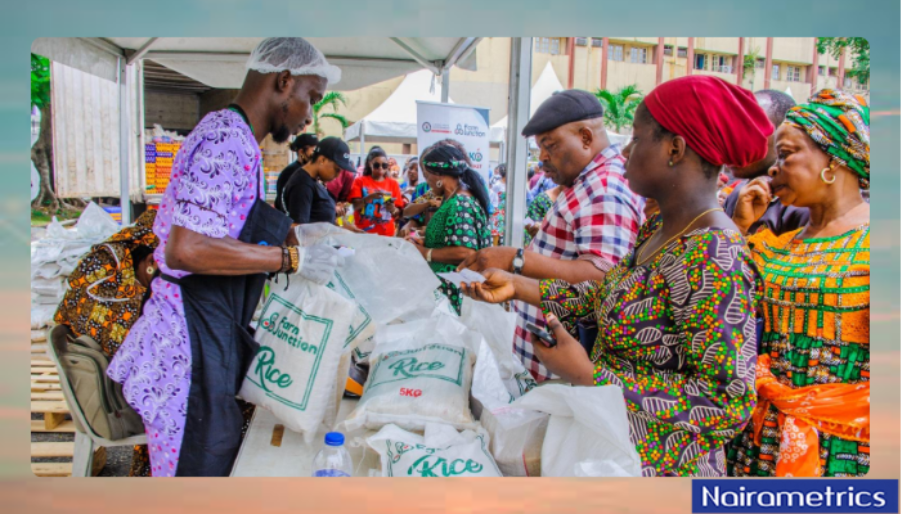
The Ounje Eko food markets were launched on March 17, 2024, as part of a government initiative to provide relief to Lagos residents grappling with soaring food prices.
They are designed as temporary government-run markets located across the city, including all 57 local government areas and local council development areas. They offer staple foods at a 25% discount, making items like rice, beans, gari, bread, eggs, tomatoes, and pepper more accessible to households.
The initiative came at a time when food inflation in Lagos reached 40.9%, pushing the cost of essential goods beyond the reach of many families and creating social pressures that threatened household stability.
The markets quickly became more than just points of sale; they emerged as lifelines for ordinary Lagosians. The program ran in two phases, with Phase II starting on September 1, 2024, before being temporarily suspended in October 2024 to address operational challenges, though date to resume were announced.
Oluwo fish market
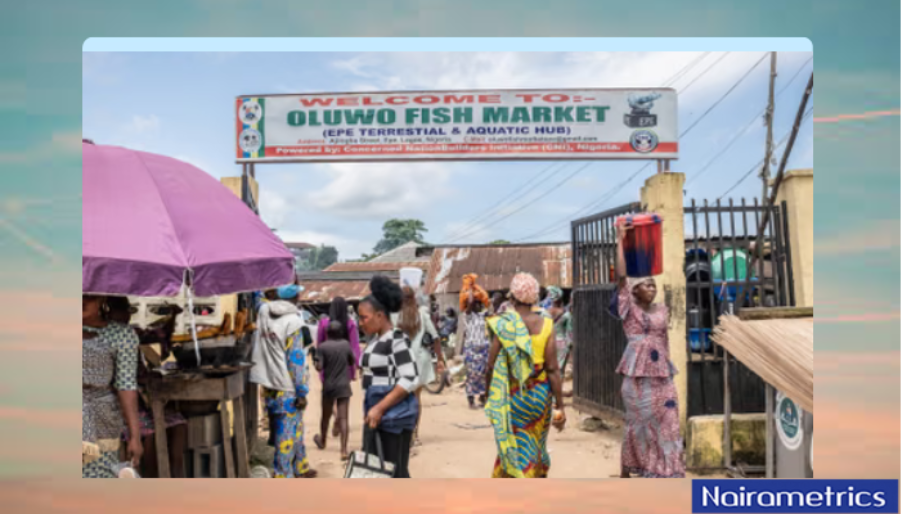
Oluwo Fish Market also known as Epe Fish Market is located in Epe, a coastal town renowned for its fishing activities, the market has become a pivotal hub for seafood trade in Nigeria.
Fishing has been central to Epe’s identity for centuries, with its lagoons and rivers providing sustenance long before Lagos became a megacity. The fish market grew from a community exchange into a large-scale trading point that now attracts buyers from across the South-West.
The market offers an extensive array of fresh seafood including exotic items like crocodiles, alligators, and bushmeat are also available
Predominantly operated by women, many of which inherited the trade from previous generations, fostering a sense of continuity and tradition. The market serves not only as a commercial center but also as a communal space where local women play a central role in the seafood supply chain.
Makoko seafood market
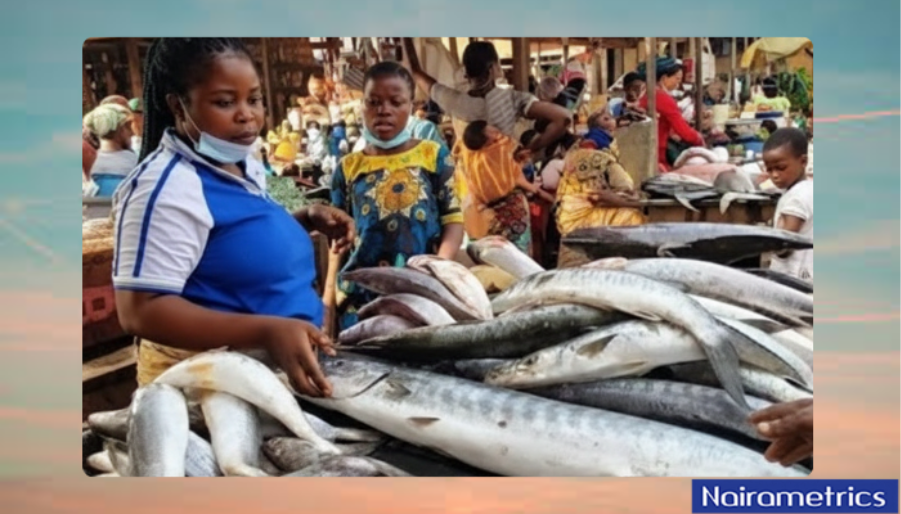
Makoko seafood market is located in waterfront community of Makoko in Yaba. The market sits on the edge of the lagoon, with fishing canoes pulling in daily catches straight from the waters.
Makoko itself is one of Lagos oldest fishing settlements. The market developed over decades, as the fishing tradition of Makoko families grew into a commercial lifeline for the wider city.
The market is renowned for its wide range of seafood fresh fish of different varieties, crabs, prawns, oysters, snails, and periwinkles.
Mushin markets
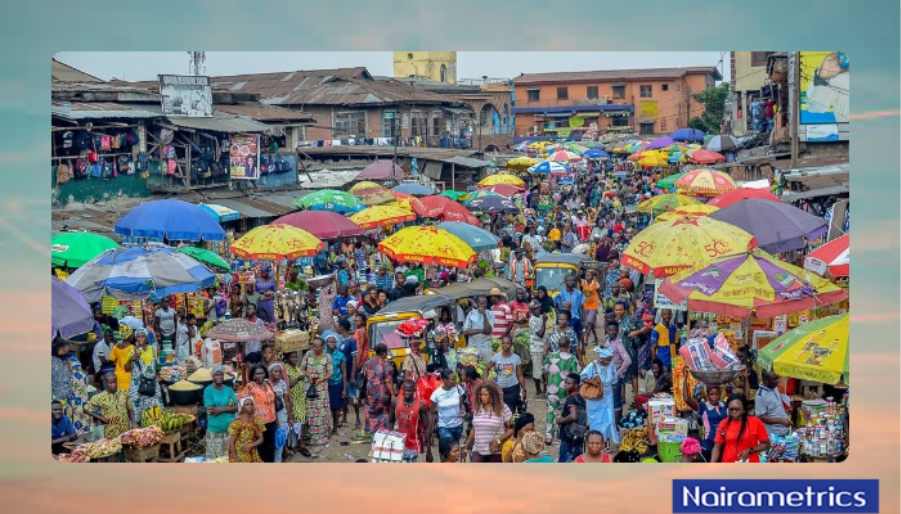
Mushin is home to some of Lagos busiest and most dynamic markets, spread across both traditional open-air spaces and modern trading hubs. The area’s markets are divided into Ajino, Ojuwoye and Daleko which are the traditional markets, and the Fresh Food Agro-Hub at Idi-Oro, a state-of-the-art facility designed to modernize food trading.
- Ajino Ajino has earned a reputation as the hub for fresh produce, attracting traders from the North and West who brought in large volumes of vegetables, peppers, onions, and other perishable goods.
- Ojuwoye, in contrast caters to provisions and everyday household shopping. Here, grains, provisions, and general foodstuff move steadily, serving residents who rely on accessible, affordable goods for their daily meals.
- Mushin Fresh Food Agro-Hub at Idi-Oro has quickly emerged as the flagship of Lagos’ effort to modernize food markets. It was launched in 2023, designed to bring structure to trading, with dedicated sections for meat, fish, fruits, and vegetables, as well as improved storage facilities that set it apart from the sprawling open-air markets that dominate the city. In its first year alone, the hub recorded N2.495 billion in transactions, accommodated 348 vendors, and attracted over 75,000 buyers, underscoring its rapid rise as a commercial hotspot.
- Daleko market Daleko market also located in the Mushin area can also be easily accessible from the Oshodi area of Lagos. Rice is the staple that never leaves a Lagosian’s table, and Daleko is its beating heart. It holds the distinction of being the largest rice market in Lagos, where both imported and locally milled varieties move in astonishing volumes. Wholesalers from Ogun, Oyo, Osun, and even more distant states converge on Daleko to buy in bulk, before redistributing to smaller markets, retail outlets, and restaurants across the city. For many households, the price of a 50kg bag of rice at Daleko is the truest indicator of whether they will eat comfortably or struggle through the period.
Oyingbo market
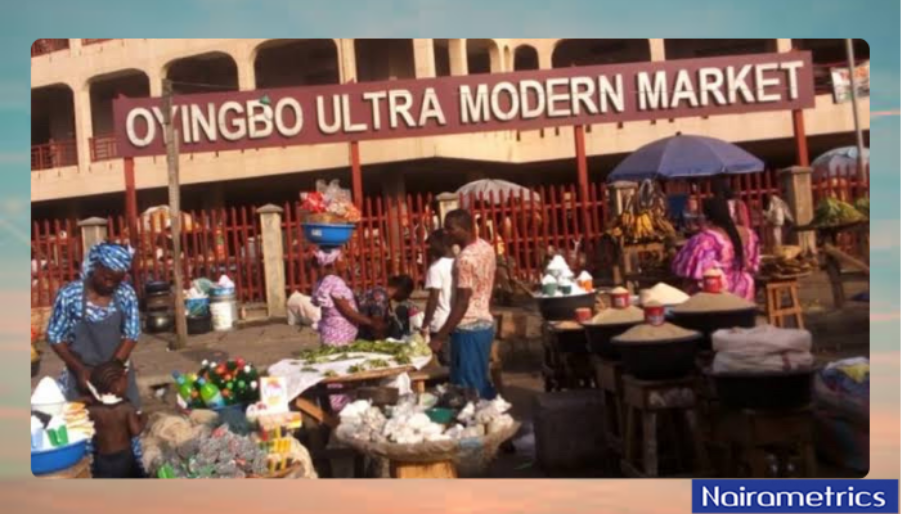
Oyigbo Market is located in Lagos mainland near Ebute Metta, the market occupies a strategic location, easily accessible to both Island and Mainland residents.
Its history stretches back to the colonial era, making it one of Lagos’ oldest trading hubs, though it underwent a major transformation in 2015 when it was rebuilt into a multi-storey complex as part of government modernization efforts.
At onyigbo, frozen fish remains king, with varieties imported from Europe and Asia, alongside locally smoked species. Prices in Oyingbo often set the tone for fish sales across Lagos. The market is also a hub for meat, fruits and household items available in large quantities, making it a one-stop location for a wide spectrum of consumer needs.
Mile 12 market
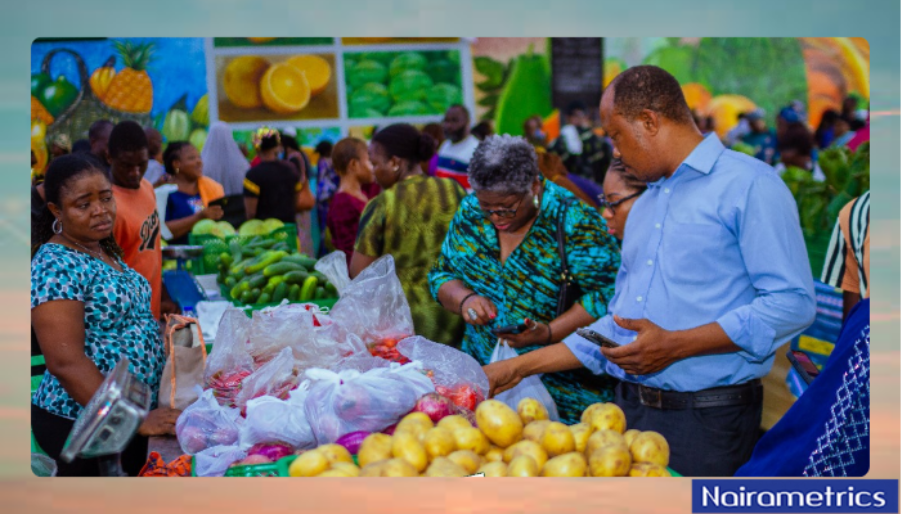
Mile 12 Market is the city’s largest hub for perishable goods, especially vegetables. Every morning, long trailers arrive from Plateau, Kaduna, Kano, and Benue loaded with tomatoes, onions, peppers, carrots, and yams.
The market supplies more than 60% of the vegetables consumed in Lagos, making it the single most important wholesale point for fresh produce in the state..
Mile 12 is situated in Kosofe Local Government Area, along Ikorodu Road.



Welldone for well put together list , I beg to differ that ilepo market is different from oja oba and in recent time ilepo is a market hub for fresh vegetables and other food stuffs…we also have trucks coming in daily with fresh vegetables making it very similar to Mile12 market and relatively more affordable. Thanks and welldone once again… We