

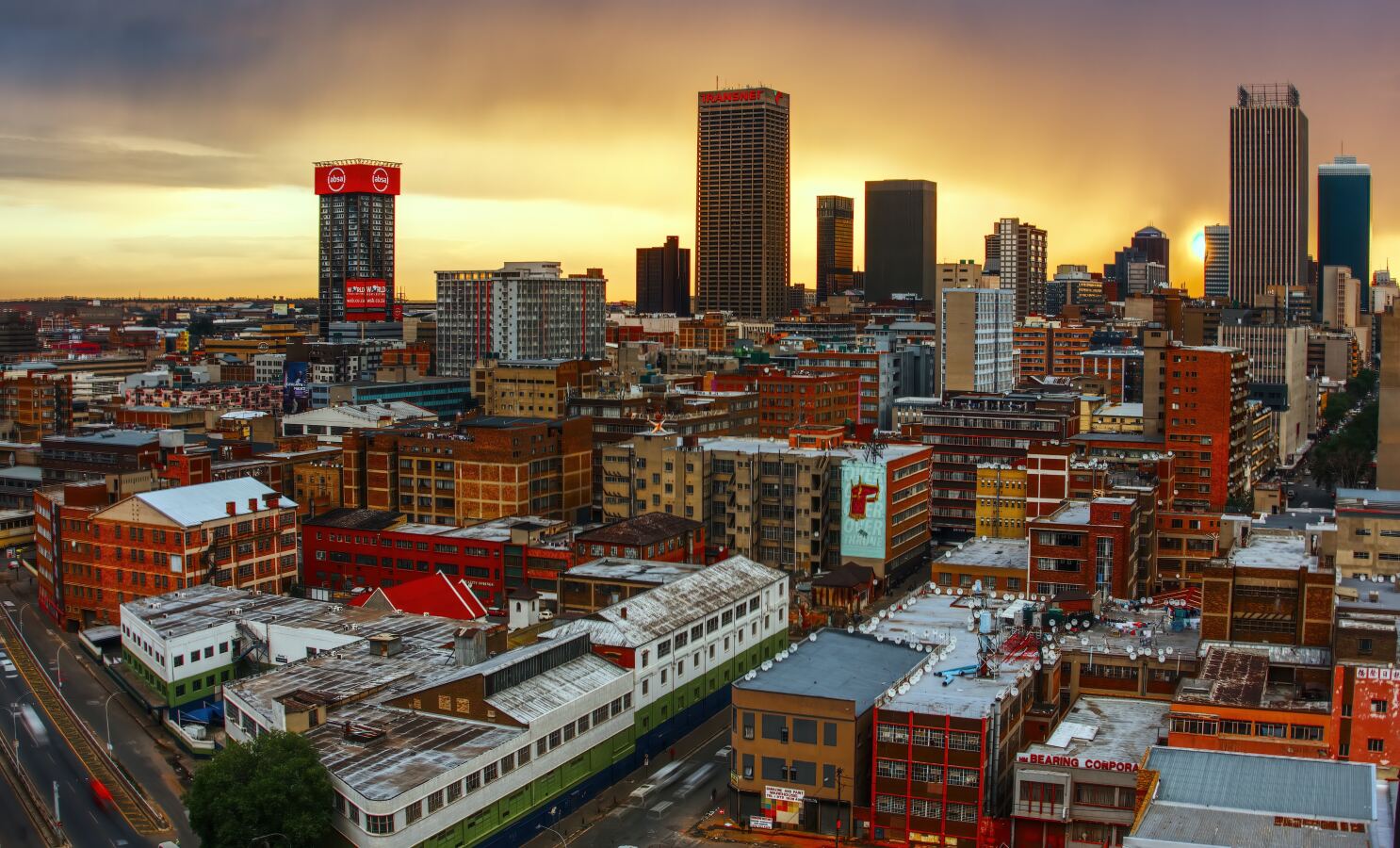
Prime office spaces in Africa’s major cities continue to attract strong demand from organizations, corporations, and investors, offering modern infrastructure, flexible layouts, and amenities that support productivity, collaboration, and hybrid work.
These high-grade offices, often located in central business districts and prestigious commercial hubs, consistently outperform secondary stock in occupancy, rents, and tenant preference.
Across the continent, Grade A and ESG-compliant offices are driving a widening gap between prime and secondary markets.


In several key CBDs, occupancy rates for high-quality offices have surpassed 90%, reflecting a pronounced flight-to-quality trend as tenants prioritize efficiency, technology, and sustainability.
Hybrid work models are driving demand for smaller, flexible, and adaptable office layouts.
While this supports productivity and talent access, uneven digital infrastructure and varying cultural readiness remain challenges. Landlords are responding with agile leases, fit-out allowances, and rent incentives to stay competitive.
This article ranks the top 10 most expensive African cities for prime office space in H1 2025, presenting average rents per square meter, comparisons with H1 2024, and insights into emerging market dynamics.
The data is drawn from Knight Frank’s The Africa Offices Market Dashboard for H1 2025, which tracks rental performance and office market trends across Africa.

Kampala, the capital city of Uganda, ranked as the fifth most expensive African city for prime office space in the first half of 2025. The office market remained tenant-led, with strong demand for flexible, tech-enabled workspaces.
Shared and co-working offices with high-speed connectivity, modular layouts, and scalable footprints attracted interest. Prime Grade A offices in core CBD locations commanded $16.50 per sqm, while Grade B offices averaged $15 per sqm.
Newly delivered Grade A stock achieved premium rents between $18 and $22 per sqm, reflecting occupiers’ preference for modern finishes, enhanced amenities, and generous parking ratios of up to 1:30.
Looking ahead, over 100,000 sqm of new Grade A stock is expected by the end of 2025, compounded by space released from downsizing government and NGO tenants, which may put downward pressure on older buildings. Prime rents increased slightly from $16 per sqm in H1 2024 to $16.50 per sqm in H1 2025.









