Follow Us on Google Discover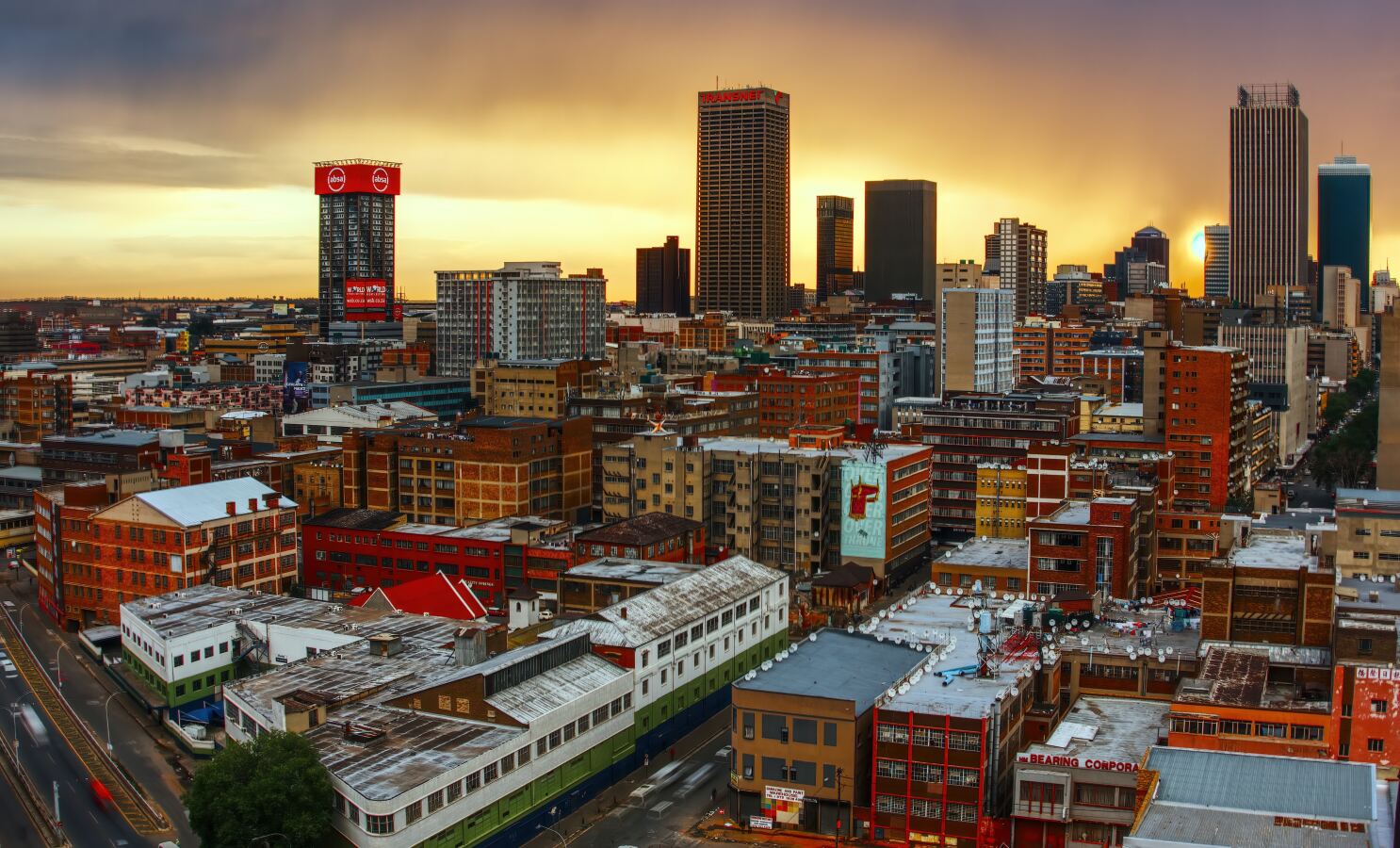
Prime office spaces in Africa’s major cities continue to attract strong demand from organizations, corporations, and investors, offering modern infrastructure, flexible layouts, and amenities that support productivity, collaboration, and hybrid work.
These high-grade offices, often located in central business districts and prestigious commercial hubs, consistently outperform secondary stock in occupancy, rents, and tenant preference.
Across the continent, Grade A and ESG-compliant offices are driving a widening gap between prime and secondary markets.
In several key CBDs, occupancy rates for high-quality offices have surpassed 90%, reflecting a pronounced flight-to-quality trend as tenants prioritize efficiency, technology, and sustainability.
Hybrid work models are driving demand for smaller, flexible, and adaptable office layouts.
While this supports productivity and talent access, uneven digital infrastructure and varying cultural readiness remain challenges. Landlords are responding with agile leases, fit-out allowances, and rent incentives to stay competitive.
This article ranks the top 10 most expensive African cities for prime office space in H1 2025, presenting average rents per square meter, comparisons with H1 2024, and insights into emerging market dynamics.
The data is drawn from Knight Frank’s The Africa Offices Market Dashboard for H1 2025, which tracks rental performance and office market trends across Africa.
Lilongwe – $10.32/sqm
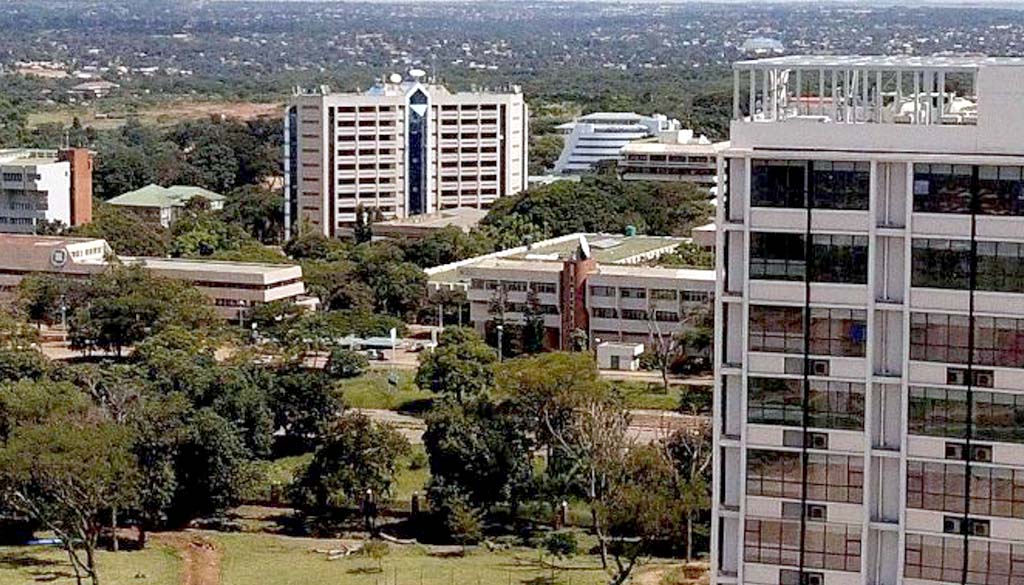
Lilongwe, the capital of Malawi, ranked as the tenth most expensive city for prime office space in Africa in the first half of 2025. Grade A offices commanded average monthly rents of $10.32 per sqm, up from $8.6 per sqm in H1 2024, driven by strong demand from financial institutions, NGOs, and regional corporates.
Macroeconomic challenges, including recent USAID funding restrictions, prompted many occupiers to adopt cost-conscious strategies such as downsizing or relocating to more affordable Grade B offices. While these options offer financial relief, they often fall short of modern requirements such as enhanced security, energy efficiency, and high-quality specifications.
Nairobi, Kenya – $13/sqm
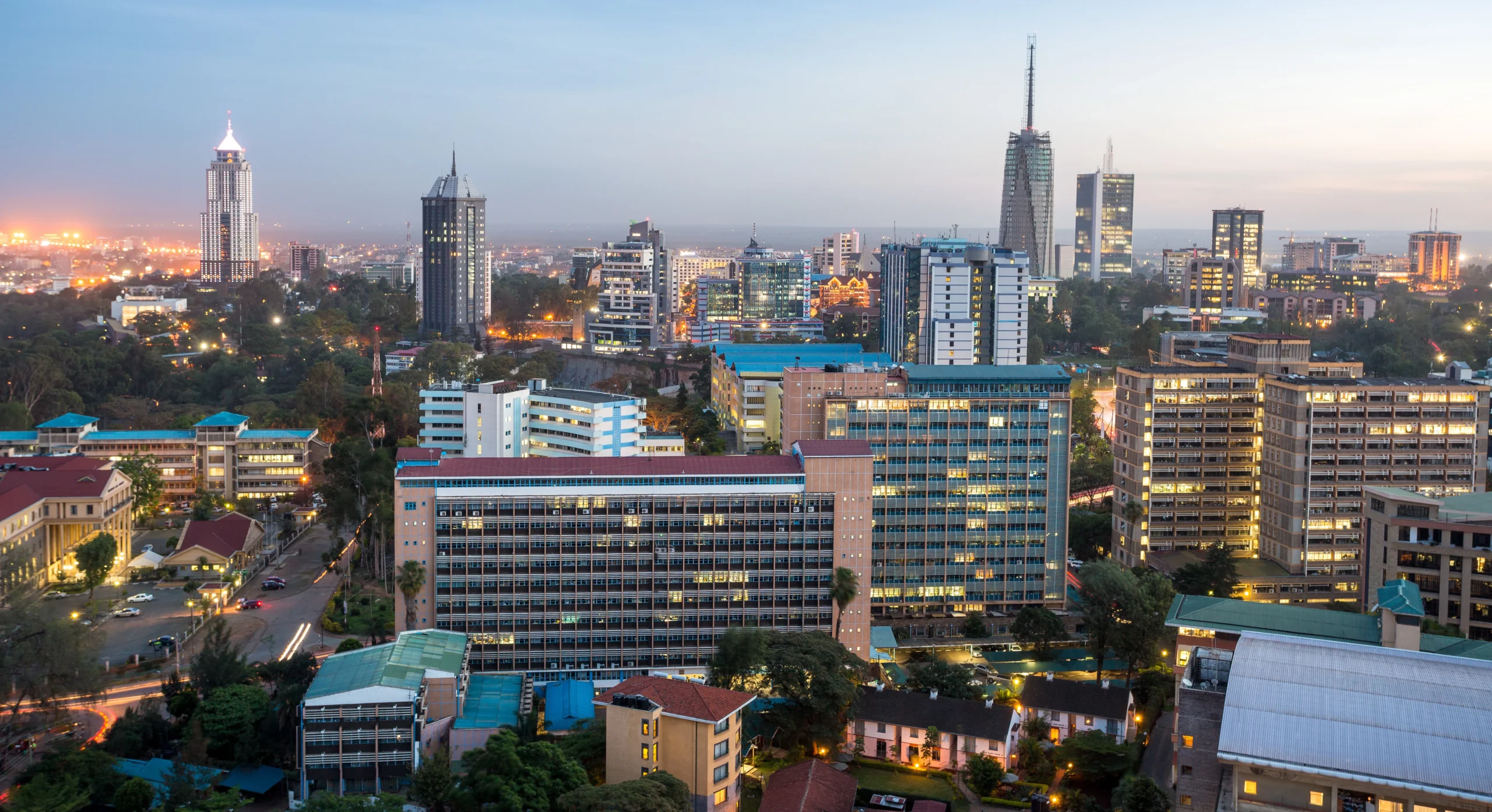
Nairobi, the capital city of Kenya, tied with Gaborone as the eighth most expensive city for prime office space in Africa in the first half of 2025. The market showed dual demand: multinational tenants drove a flight to quality, while local occupiers sought cost-efficient options.
Grade A offices, particularly green-certified and ESG-aligned buildings with advanced infrastructure, remained in strong demand. Grade B offices maintained resilient performance due to affordability, appealing to domestic firms.
The market continued to face an oversupply of lower-grade stock, with around 15,000 sqm of new space expected by the end of 2025. Prime office rents held steady at $13 per sqm, unchanged from H1 2024, reflecting supply pressures and measured absorption by tenants.
Gaborone – $13/sqm
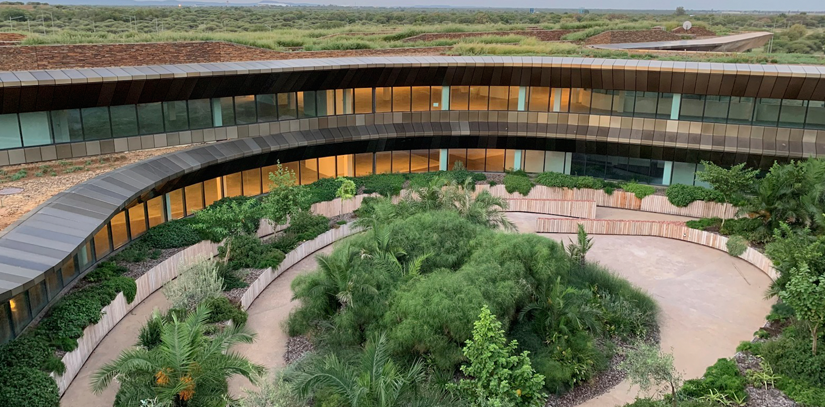
Gaborone, the capital city of Botswana, ranked as the eighth most expensive city for prime office space in Africa in the first half of 2025. The office market showed steady recovery, driven by strong demand for Grade A stock in the city’s core commercial zones.
Prime monthly rents remained resilient at $13 per sqm, up from $11 per sqm in H1 2024, while occupancy in the CBD stabilized between 85% and 95%, supported by corporate tenants seeking modern, energy-efficient buildings with secure parking and digital connectivity.
Grade B offices continued to face pressure, with occupancy below 75% and rents softening to $6.5–$7.5 per sqm. Landlords in this segment increasingly offered shorter leases, rent reductions, and modest refurbishments to retain tenants. Well-located, ESG-aligned buildings attracted stable tenancies, while older assets needed adaptive reuse, sustainability upgrades, or modular fit-outs to remain competitive in a tenant-driven market.
Dar es Salaam – $15/sqm
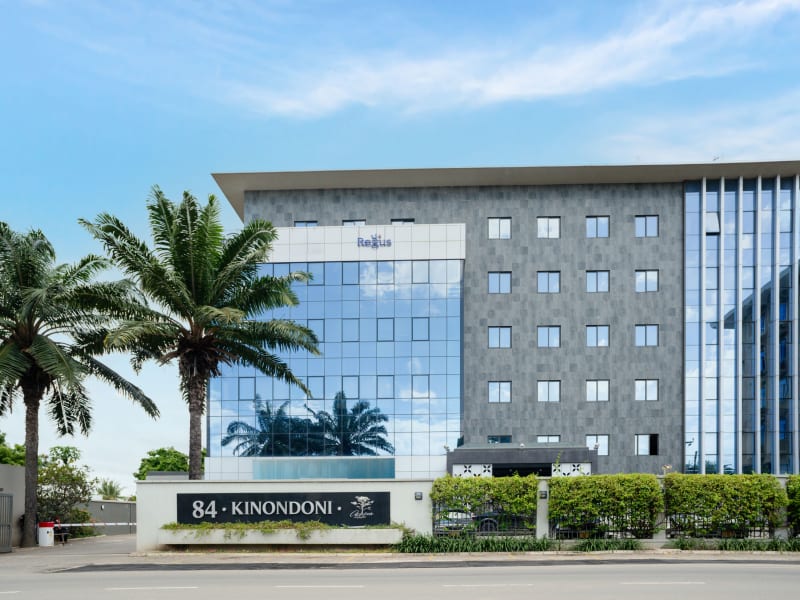
Dar es Salaam, the commercial capital of Tanzania, shared the sixth position among Africa’s most expensive cities for prime office space in the first half of 2025.
The Grade A office market showed moderate but stable demand, with overall occupancy reaching 75%, up from 70% in H2 2024. Landlord-led strategies such as flexible lease terms, rent concessions, and active negotiations helped retain tenants despite persistent oversupply.
Headline rents remained steady at $15 per sqm, unchanged from H1 2024. Demand concentrated in high-quality, well-located properties, while Grade B and older stock continued to face elevated vacancies.
Tenants increasingly sought smaller, flexible, and cost-efficient spaces in areas such as Mikocheni, Kinondoni, and select CBD nodes, driving interest in co-working models, serviced offices, and Grade A upgrades.
Johannesburg – $15/sqm
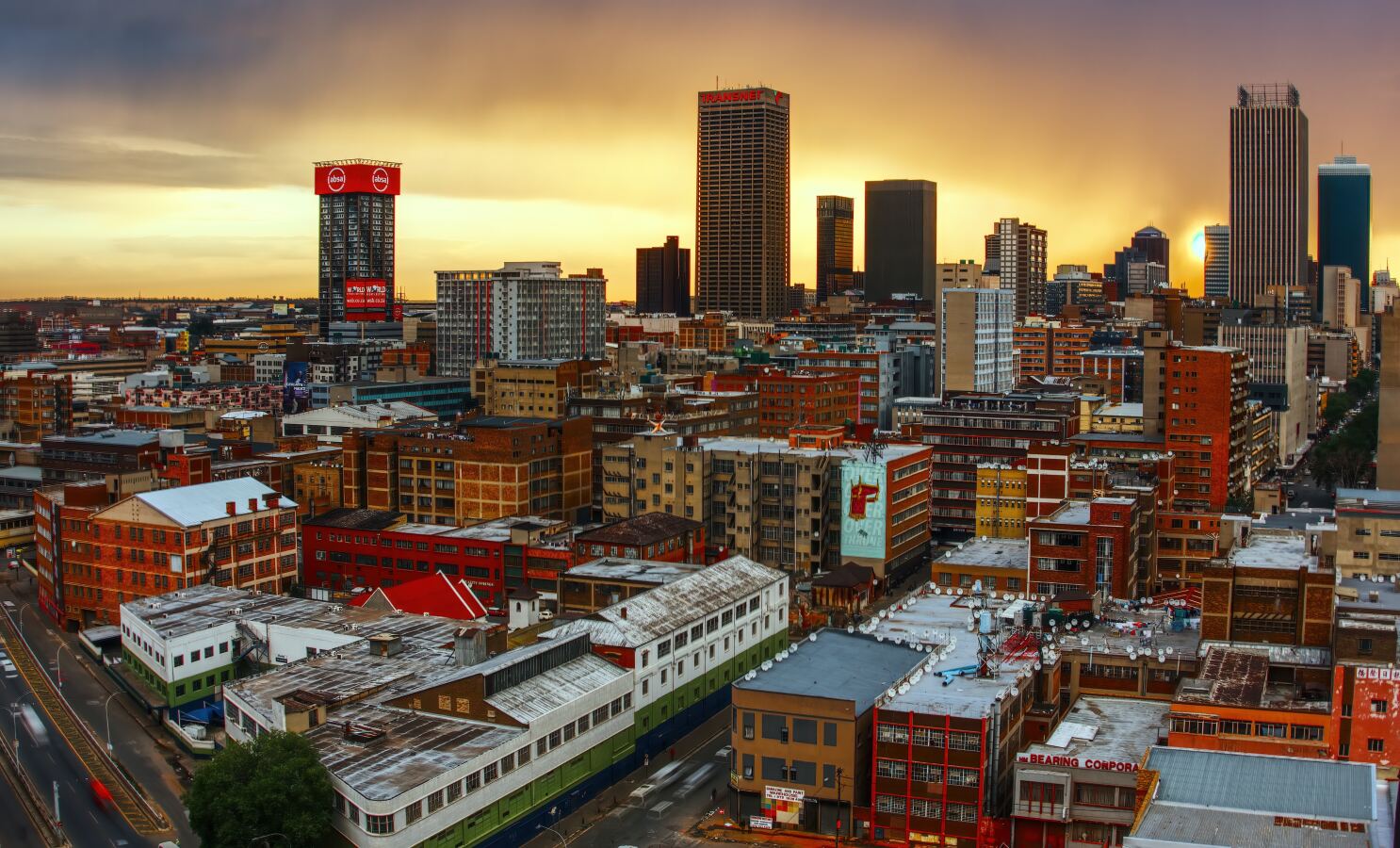
Johannesburg, a major economic hub in South Africa, shared the sixth spot among Africa’s most expensive cities for prime office space in the first half of 2025. The market continued to show a clear flight to quality, with P-grade office vacancies falling to 7.8% while C-grade vacancies rose by nearly 10%, highlighting challenges in older stock. Tenant demand focused on premium buildings with reliable infrastructure, including generator backup systems.
Construction activity remained at historic lows. Prime rents held steady at $15 per sqm, unchanged from H1 2024, but tightening vacancies and limited supply may push rents higher over time.
Kampala, Uganda – $16.5/sqm
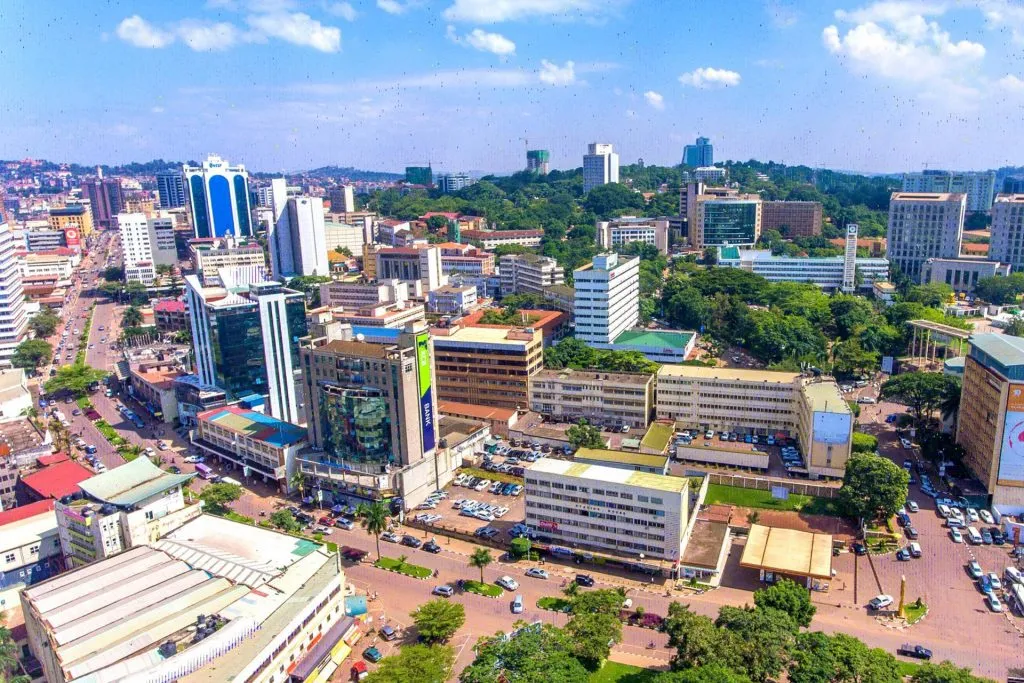
Kampala, the capital city of Uganda, ranked as the fifth most expensive African city for prime office space in the first half of 2025. The office market remained tenant-led, with strong demand for flexible, tech-enabled workspaces.
Shared and co-working offices with high-speed connectivity, modular layouts, and scalable footprints attracted interest. Prime Grade A offices in core CBD locations commanded $16.50 per sqm, while Grade B offices averaged $15 per sqm.
Newly delivered Grade A stock achieved premium rents between $18 and $22 per sqm, reflecting occupiers’ preference for modern finishes, enhanced amenities, and generous parking ratios of up to 1:30.
Looking ahead, over 100,000 sqm of new Grade A stock is expected by the end of 2025, compounded by space released from downsizing government and NGO tenants, which may put downward pressure on older buildings. Prime rents increased slightly from $16 per sqm in H1 2024 to $16.50 per sqm in H1 2025.
Lusaka – $18/sqm
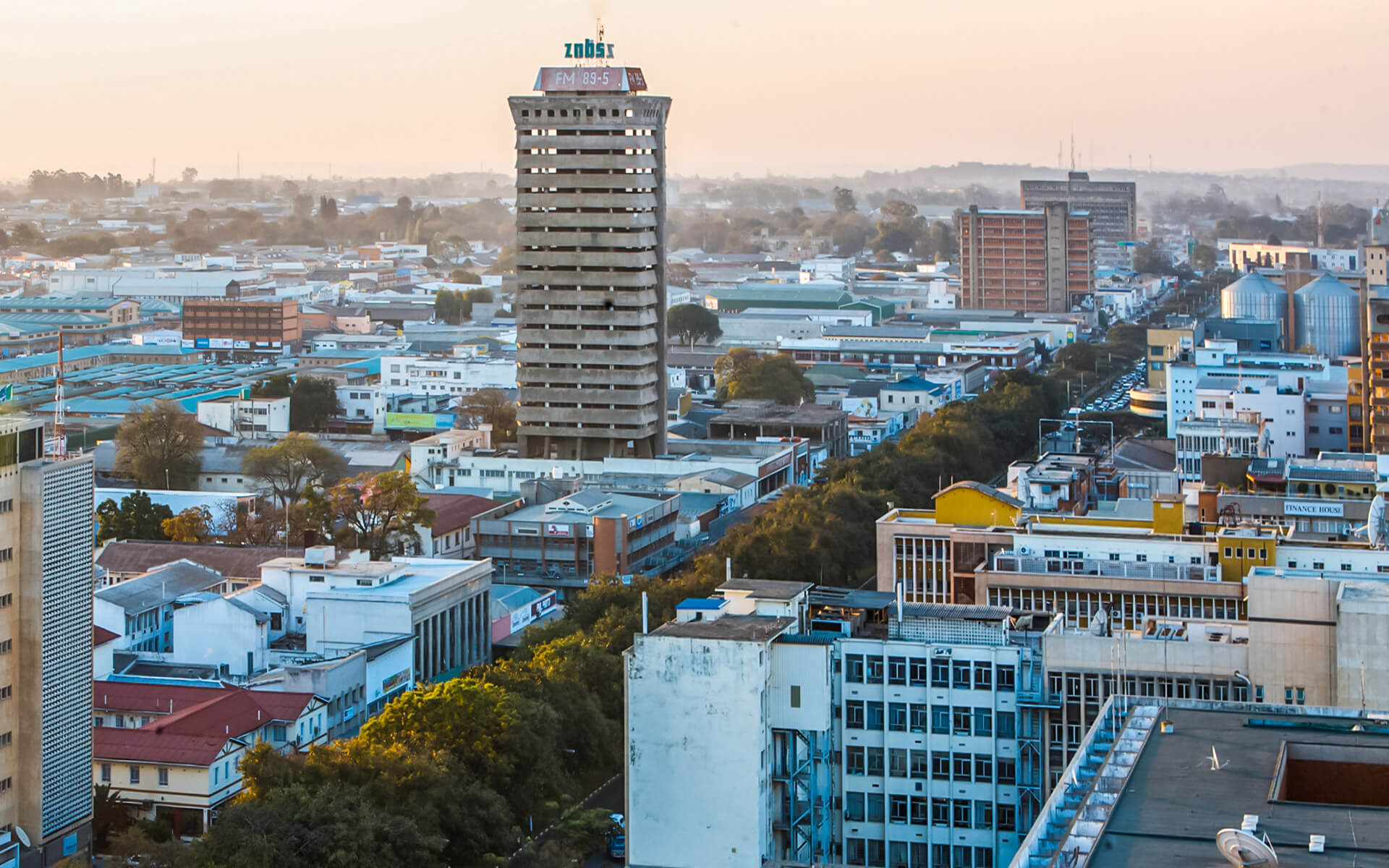
Lusaka, the capital city of Zambia, ranked as the fourth most expensive African city for prime office space in the first half of 2025. Grade A offices averaged $18 per sqm, with leasing activity focused on smaller units of 50–250 sqm and serviced office solutions.
Key emerging nodes such as Waterfalls, Garden City Mall, Bonanza Estate, and Chongwe, 10–15 km from the CBD along the Great East Road, saw increased demand. Landlords and occupiers adopted a cautious, strategy-driven approach amid economic volatility, factoring in Kwacha depreciation, tenant fit-out contributions, and rent-free periods.
Prime rents remained stable at $18 per sqm compared with H1 2024.
Cairo – $37/sqm
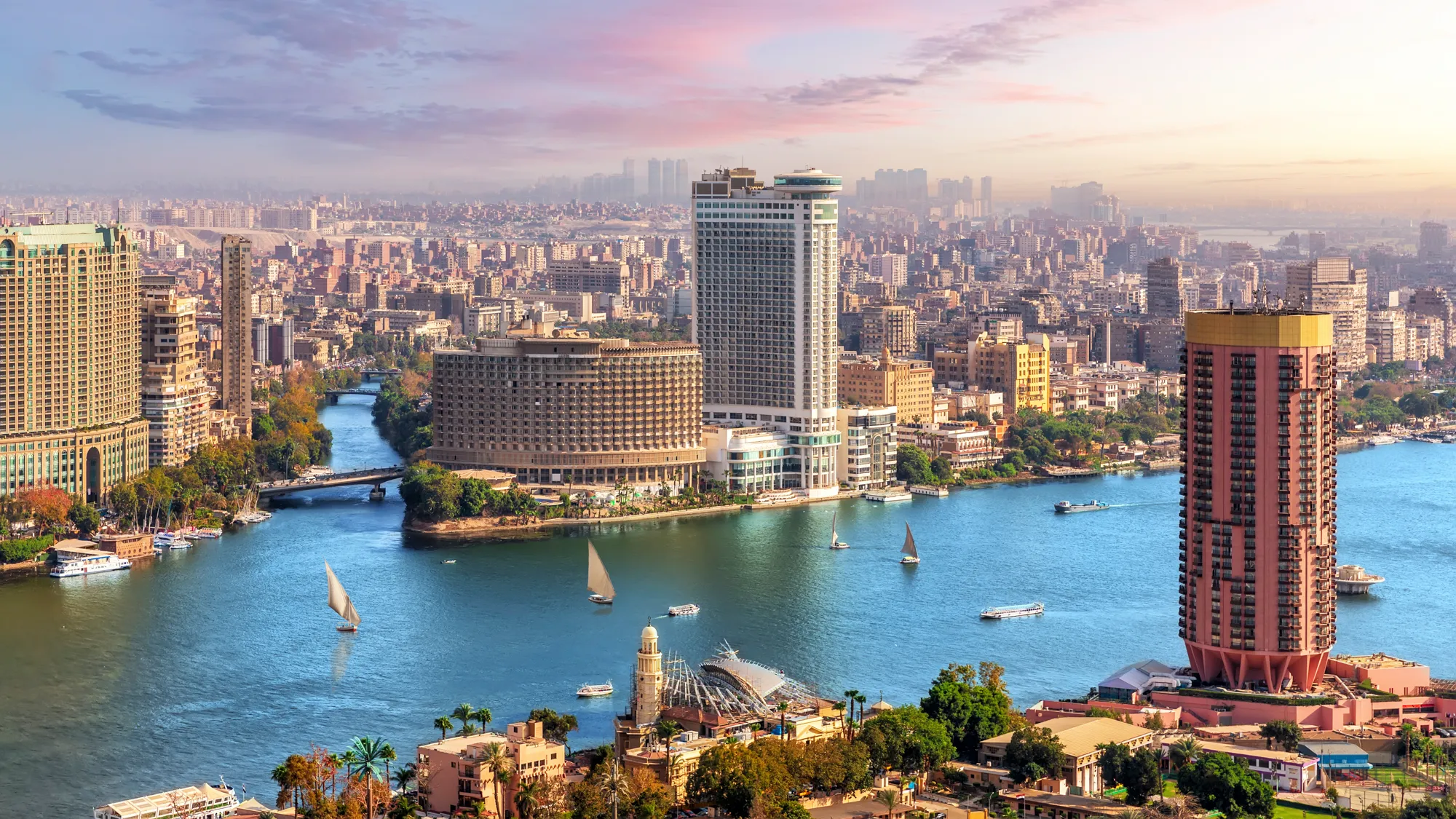
Cairo, the capital city of Egypt, ranked as the third most expensive African city for prime office space in the first half of 2025. Grade A offices averaged $37 per sqm, supported by strong demand for flexible, high-quality workspaces from corporates and multinational firms.
Key submarkets include East and West Cairo, with New Cairo gaining prominence due to modern construction, ample parking, and proximity to the New Administrative Capital and Cairo International Airport. Prime office occupancy averaged 90%, reflecting the popularity of plug-and-play and ESG-compliant buildings.
In H1 2024, prime rents were around $35 per sqm, showing a 2.5% increase year-on-year.
Abuja, Nigeria – $46/sqm
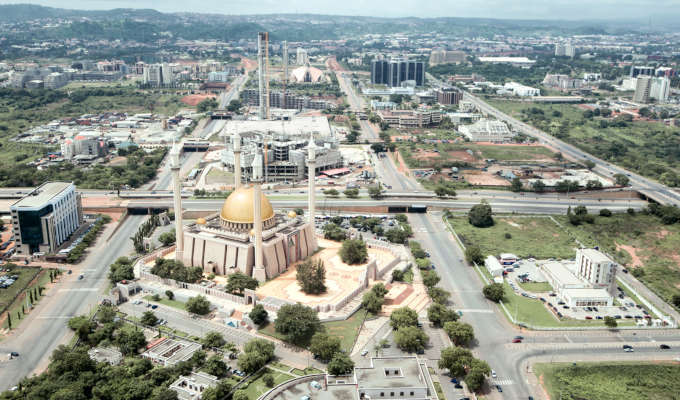
Abuja, the capital city of Nigeria, ranked as the second most expensive African city for prime office space in the first half of 2025. Grade A offices across the city commanded an average of $46 per sqm, driven by steady demand from government agencies, multinational corporations, and financial institutions.
Key business districts such as Central Business District, Wuse, Maitama, and Asokoro continued to attract strong occupier interest. Occupiers prioritised modern, tech-enabled, and flexible workspaces, while older or less central properties faced slower absorption.
Lagos – $55/sqm
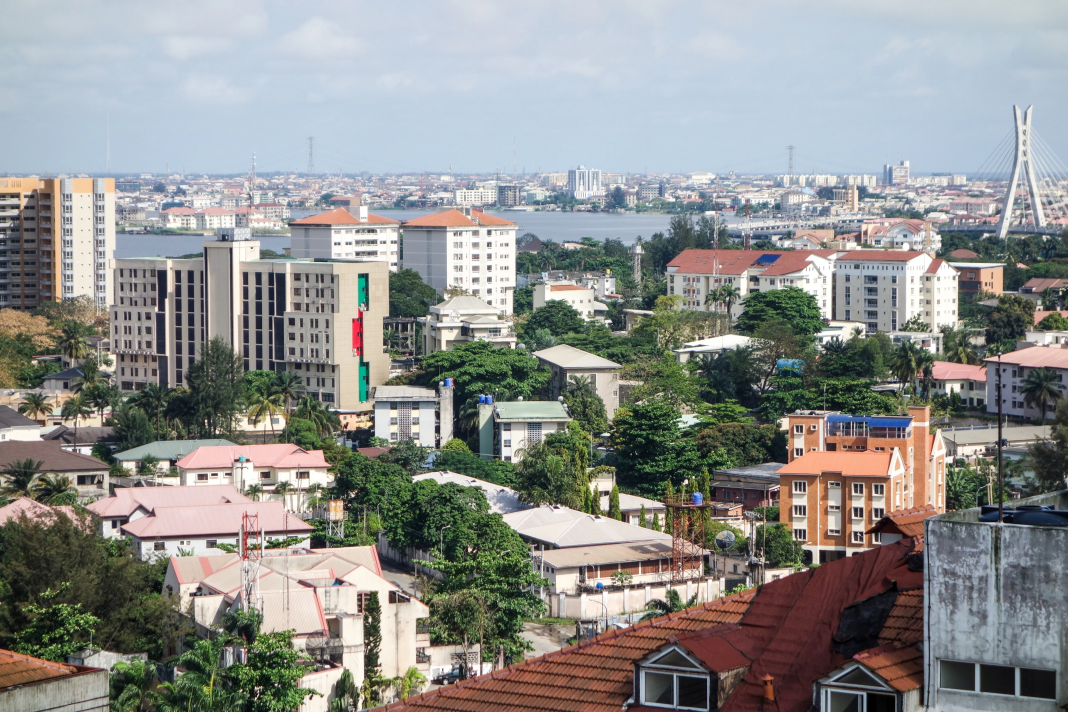
Lagos, the commercial hub of Nigeria, ranked as the most expensive city for prime office space in Africa in the first half of 2025. Grade A offices in Ikoyi, Victoria Island, and Ikeja averaged $55 per sqm.
Occupancy in Ikoyi rose from 84% in H2 2024 to 91%, while overall prime market occupancy increased from 65% in the first half of 2024 to 73% in the first half of 2025. Completions such as Pantheon Tower in Ikoyi and Phoenix Office Park in Ikeja added significant space, which was quickly absorbed by tenants seeking higher-specification buildings.
Hybrid work adoption grew to 31% of businesses, though 55% still required full on-site attendance. Key developments expected to be completed by the end of 2025 include Ulesh Ikoyi, Dangote Industries HQ, The Phoenix, and 18C Glover Road.
Prime rents have slightly softened from $56 per sqm in the first half of 2024 to $55 per sqm, reflecting landlord strategies prioritizing occupancy over aggressive rent growth.