The Nigerian political space has become a very interesting one since the commencement of this fourth republic in 1999, with many commentators express their regret on lack of progress.
One of the major challenges the country is facing has always been the recruitment process for the political leaders at the Federal level and the sub nationals with many of them demonstrating lack of capacity as well as unwillingness to cater to the needs of the people they govern.
There has been a lot of agitation for the more participation of private sector leaders or technocrats in politics, either for elective offices or appointments into political offices due to the perceived failures of the typical professional Nigerian politicians.


Nigeria’s economic setup is largely shaped by its private sector, which accounts for over 80% of GDP and employment.
Private sector leaders are increasingly showing more interest in Nigerian politics, often through partnerships with government, funding initiatives, advocacy for specific policies, appointments into public offices or even actively contesting for elective positions.
This trend points to paradigm shift in Nigerian politics, where technocratic credentials and private sector experience are gaining appeal among voters and party powerbrokers alike.
For these set of politicians, decades spent navigating market volatility, managing enterprises, and driving capital investment have become assets in addressing Nigeria’s fiscal and governance challenges.
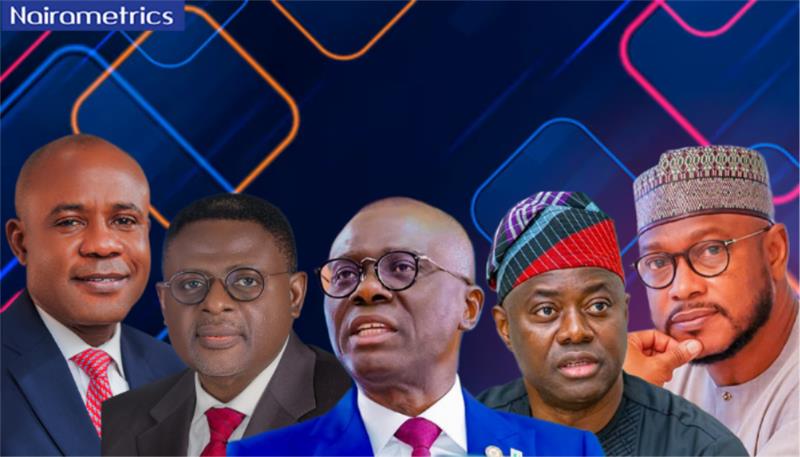
This list highlights Nigerian current state governors who came from the private sector, detailing their professional journeys
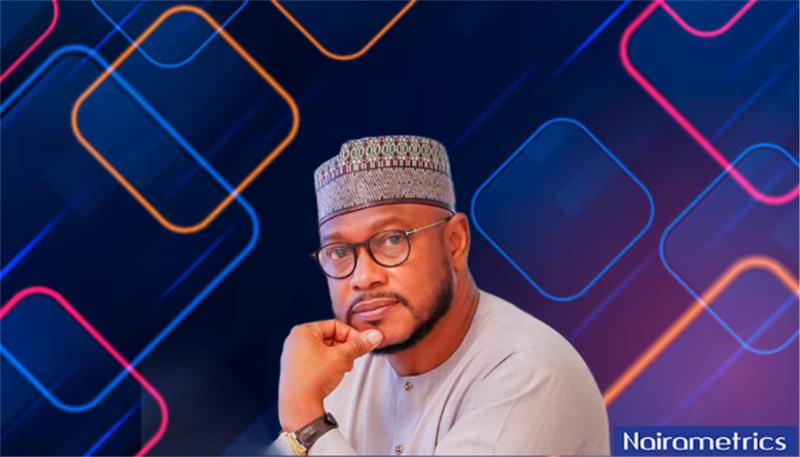
Zamfara State governor Dauda Lawal built his career on decades of experience in public service, diplomacy, and banking before venturing into politics.
Born September 2, 1965, in Gusau Lawal, he began his professional journey in 1989 as a political education officer with the Agency for Mass Mobilization for Social and Economic Reliance Nigeria. That same year, he moved into the private sector, joining Westex Nigeria Limited as an assistant general manager.
In 1994, he entered the diplomatic space as an assistant consular officer (immigration) at the Embassy of Nigeria in Washington, D.C., later becoming the chief protocol officer.
He joined First Bank of Nigeria Plc as a relationship manager in the commercial banking division. Over the years, he rose steadily through the ranks, serving as senior manager at the Abuja Area Office, business development manager in Abuja, and principal manager as group head PSG II. He later became assistant general manager (business development manager) in Maitama, then deputy general manager as group head for the public sector in Abuja.
Between October 2010 and September 2011, Lawal served as Executive Vice President, Public Sector North, at First Bank of Nigeria Plc. In September 2012, he was appointed Executive Director, Public Sector North, a role he held until his exit from the bank.
Lawal entered politics in 2018 general elections, contesting for the APC governorship ticket in Zamfara but lost in the primaries. He returned in 2022 under the PDP, won the party’s nomination, and in March 2023 defeated incumbent governor Bello Matawalle to become governor, assuming office on May 29, 2023.