Follow Us on Google Discover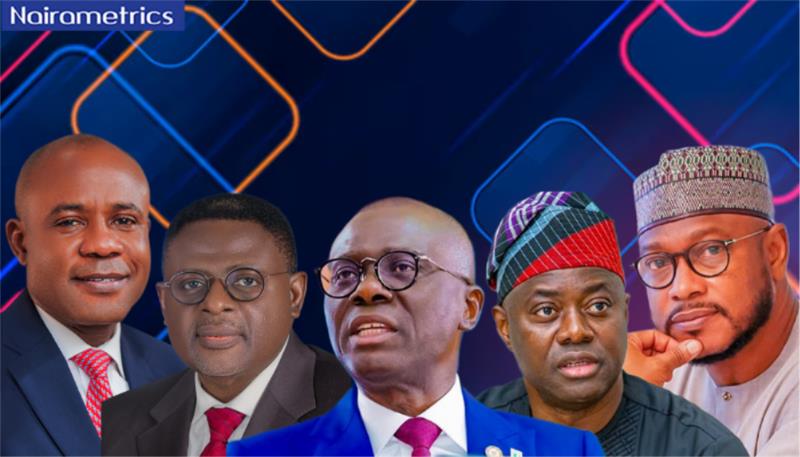
The Nigerian political space has become a very interesting one since the commencement of this fourth republic in 1999, with many commentators express their regret on lack of progress.
One of the major challenges the country is facing has always been the recruitment process for the political leaders at the Federal level and the sub nationals with many of them demonstrating lack of capacity as well as unwillingness to cater to the needs of the people they govern.
There has been a lot of agitation for the more participation of private sector leaders or technocrats in politics, either for elective offices or appointments into political offices due to the perceived failures of the typical professional Nigerian politicians.
Nigeria’s economic setup is largely shaped by its private sector, which accounts for over 80% of GDP and employment.
Also Read
Private sector leaders are increasingly showing more interest in Nigerian politics, often through partnerships with government, funding initiatives, advocacy for specific policies, appointments into public offices or even actively contesting for elective positions.
This trend points to paradigm shift in Nigerian politics, where technocratic credentials and private sector experience are gaining appeal among voters and party powerbrokers alike.
For these set of politicians, decades spent navigating market volatility, managing enterprises, and driving capital investment have become assets in addressing Nigeria’s fiscal and governance challenges.
This list highlights Nigerian current state governors who came from the private sector, detailing their professional journeys
Abia State – Alex Otti
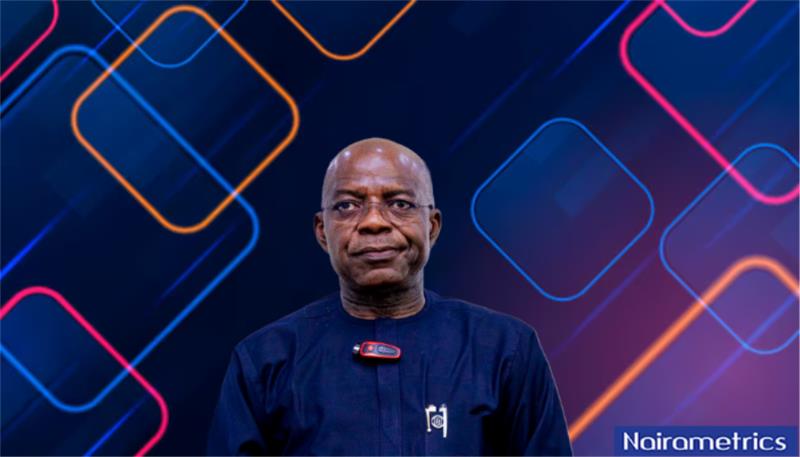
Dr. Alex Chioma Otti, OFR, is an economist, banker, investor, philanthropist, and writer who became the fifth democratically elected governor of Abia State on May 29, 2023. A First-Class economics graduate from the University of Port Harcourt, Otti also holds an MBA from the University of Lagos and has completed executive programmes at Columbia, Stanford, Wharton, and INSEAD.
Otti began his banking career in 1989 at Nigerian International Bank, a subsidiary of Citibank New York, before moving through senior roles at Intercontinental Merchant Bank, Societe Bancaire Nigeria, UBA, and First Bank, where he became Executive Director.
His most prominent role came as Group Managing Director/CEO of Diamond Bank Plc, one of the leading retail financial institutions of its time in Nigeria where he steered the institution into one of Nigeria’s top retail banks before its eventual merger with Access Bank.
Beyond banking, Otti sat on the Editorial Board of Thisday Newspaper and has remained an active voice in national economic discourse.
Akwa Ibom State- Umo Eno

Pastor Umo Bassey Eno, governor of Akwa Ibom State, built a long career in banking, corporate management, and entrepreneurship before entering politics.
Eno was born on April 24, 1964, in his hometown, Ikot Ekpene Udo in Nsit-Ubium Local Government Area of Akwa Ibom State. He is a graduate of Public Administration from the University of Uyo, Eno began his professional journey at Union Bank before moving to Bertola Machine Tools Nigeria Limited. He later joined Norman Holdings Limited, where he rose to chief executive officer.
In 1997, he founded Royalty Groups, a hospitality and lifestyle conglomerate with interests in hotels, restaurants, and related businesses, which he grew into one of the leading indigenous brands in the sector.
Eno transitioned into public service in 2021 when he was appointed Commissioner for Lands and Water Resources, he resigned from to run for the governorship. He won the election and became governor under the platform of the PDP, but on June 6, 2025, he announced his defection to the All Progressive Congress..
His administration now leans on his private-sector management style, with a focus on agriculture, rural development, infrastructure, security, and education under the A.R.I.S.E. Agenda, which prioritizes Agriculture, Rural Development, Infrastructural Maintenance, Security Management, and Education. This agenda aims to address key sectors to foster sustainable development and improve the quality of life for residents of the state.
Senator Prince Bassey Edet Out, Governor of Cross River State
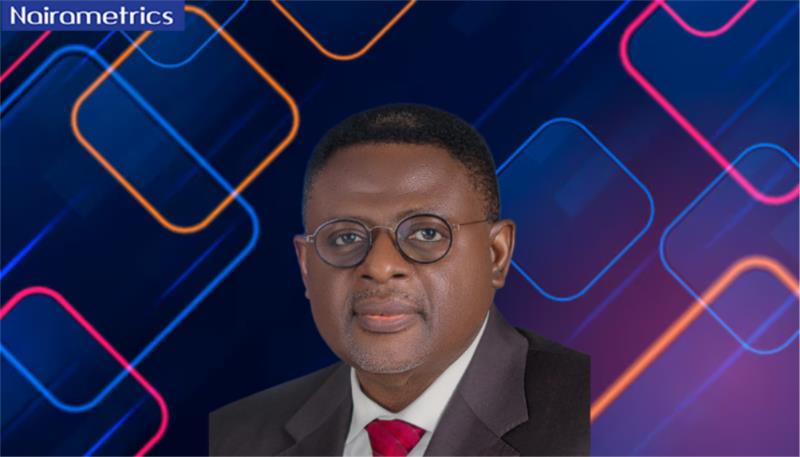
Popularly known as “Sweet Prince”, His Excellency Senator Bassey Edet Otu is a seasoned lawmaker, statesman, and the current Governor of Cross River State, with decades of experience in public service, business, and community development.
He earned his Bachelor’s degree in Social Sciences from the University of Calabar, laying the academic foundation for a life that would later be defined by leadership and impact.
Before venturing into politics, Prince Otu built a career in the banking sector, worked in petroleum, and also delved into farming, a passion he still holds dear.
Prince Otu was elected to the House of Representatives in 2003 to represent the Calabar Municipality/Odukpani Federal Constituency. He was re-elected in 2007, serving until 2011. In 2011, Prince Otu moved to the upper legislative chamber, elected as Senator representing Cross River South. In the Senate, he quickly made his mark, first as Chairman of the Finance Committee, and later as Chairman of the Committee on Banking and Other Financial Institutions.
In 2018, President Muhammadu Buhari appointed Prince Otu to the Board of the National Health Insurance Scheme (NHIS), recognising his expertise and dedication to national development.
Otu was elected Governor of Cross River State, running on the platform of the All Progressives Congress (APC).
Enugu State – Peter Mbah

Peter Ndubuisi Mbah is an International Maritime Lawyer, Business Magnate, Public Administrator and Philanthropist
He is the Founder and Chief Executive officer of Pinnacle Oil and Gas Ltd., an indigenous oil and gas company. Before Pinnacle Oil and Gas Ltd., Peter had earlier founded the Peter Mbah Investment Limited, a trading firm which served as the Nigerian representative to International Oil Corporation (IOC) based in Fresno, California, USA. He was the sole agent of IOC in Nigeria.
Peter also founded GILPEL Industries Ltd., a trading company involved in the import and sales of domestic electrical appliances, as well as Focus International Schools, a world-class Primary and Secondary school based in Lagos.
After leaving school, he engaged in commercial training/trading, simultaneously pursuing his academic studies. He studied Law at the University of East London (UEL), in the United Kingdom from where he obtained a Bachelor of Laws (LL.B) degree, in the Upper-Class Division in 2000.
He also sits atop the board and management of Pinnacle Pointers, a real estate and hospitality company. His business and professional track records have taken him through several spheres of activities such as import trade, oil and gas sales and distributions, maritime logistics and public service.
In the area of public service, Peter served as Commissioner for Finance and Economic Development under His Excellency, Governor Chimaroke Nnamani and as the Chief of Staff to the Governor in 2003, and by virtue of the role, he was Chairman of the Enugu State Tenders’ Board.
Jigawa State – Umar Namadi

Umar Namadi, governor of Jigawa State, is an experienced accountant and business leader with a solid track record in both the private and public sectors. He earned his BSc and MBA in Accounting from Bayero University, Kano, before starting his career in audit and consultancy at Abdu Abdurrahim & Co. Chartered Accountants.
Namadi’s private sector journey included key roles at the National Board for Community Banks and Kaduna Textiles Limited. He later joined the Dangote Group, rising from Assistant General Manager of Finance to Financial Controller at Dangote Sugar Refinery and the wider group.
Between 2006 and 2013, Namadi brought his financial expertise to the National Health Insurance Scheme, managing finance and contribution departments. Afterward, he returned to private business, leading Namadi, Umar & Co. Chartered Accountants, and chairing Danmodi Food Processing and Danmodi Farms Limited.
His blend of corporate leadership and financial management experience paved the way for his move into public service as Jigawa’s Commissioner for Finance and Economic Planning from 2015 to 2019. There, he introduced reforms that improved the state’s financial transparency and efficiency.
Namadi was elected deputy governor in 2019 before winning the governorship. His career reflects a mix of professional rigor and practical business management, which he now applies to Jigawa’s governance.
Lagos State – Babajide Sanwo-Olu
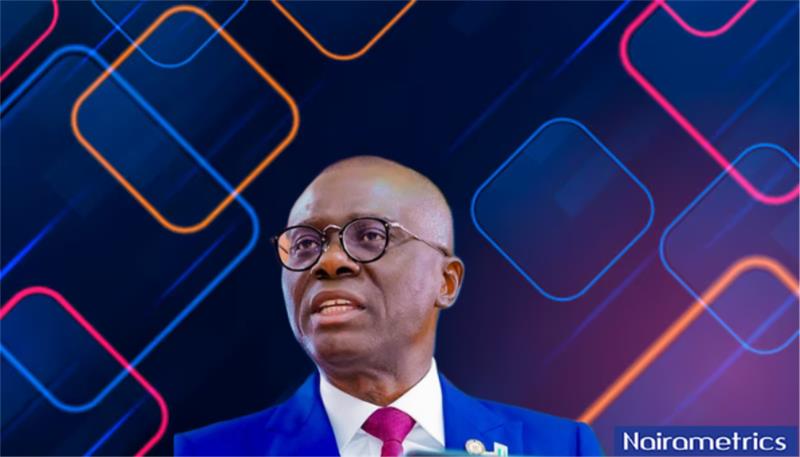
Babajide Olusola Sanwo-Olu, who was born on June 25, 1965, is a Nigerian politician who has been serving as the governor of Lagos State since 2019.
He has a BSc in Surveying and an MBA from the University of Lagos. He is an alumnus of the John F. Kennedy School of Government, the London Business School and the Lagos Business School.
He is an associate member of the Chartered Institute of Personnel Management (CIPM) and fellow of the Nigeria Institute of Training and Development (NITAD).
Sanwo-Olu was the treasurer at the former Lead Merchant Bank from 1994 to 1997, after which he moved to the United Bank for Africa (UBA) as the head of foreign money market. He then proceeded to First Inland Bank, Plc (now First City Monument Bank) as a deputy general manager and divisional head. He later became the chairman of Baywatch Group Limited and First Class Group Limited.
Sanwo-Olu began his political career in 2003, when he was appointed a special adviser on corporate matters to the then deputy governor of Lagos State, Femi Pedro. He was later served as the acting Commissioner for Economic Planning and Budget, Commissioner for Commerce and Industry, Commissioner for Establishments, Training and Pensions and the Managing Director/CEO of the Lagos State Development and Property Corporation (LSDPC).
Nasarawa State – Abdullahi Sule
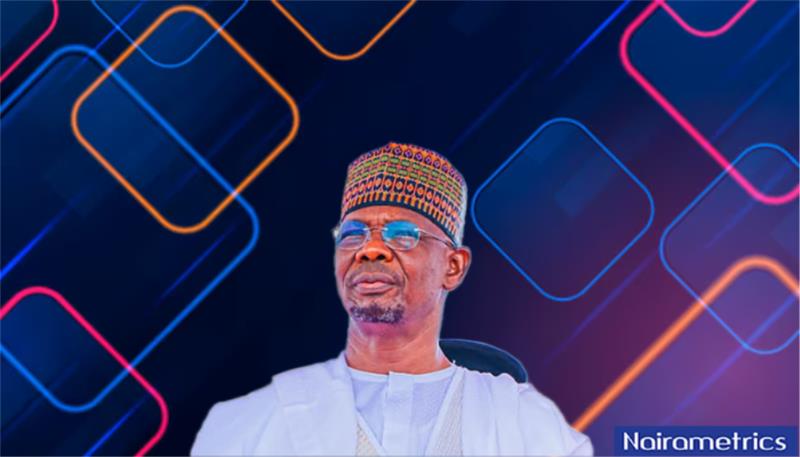
Engineer Abdullahi A. Sule, governor of Nasarawa State, has a rich background in engineering and business leadership. After earning both his BSc and MSc degrees in Mechanical and Industrial Technology from Indiana State University, USA, Sule began his career in Nigeria at Jos Steel Rolling Company, quickly rising to Principal Production Engineer.
On his return to the USA , he went to Texas (san anthonio and later houston) where he worked for the following companies: Lancer corporation, san Anthonio OEM components, Houston Houston engineer, Houston Morgan performance, Houston Dril-Quip incorporated, Houston Osyka corporation, Houston.
He returned to Nigeria in the year 2000 and along with some friends started a company called Sadiq Petroleum Nigeria limited in lagos. He was made the pioneer managing Director/ CEO.
Later in that tear, sadiq petroleum company participated in the privatization of African petroleum plc and won the bid. Upon acquisition of the 30% ownership of AP plc sadiq Petroleum, he was appointed the executive Director operations of AP in November 2000. On April 2, 2001 he was appointed by the board of AP plc as the fourth MD/CEO.
Upon his resignation from AP, he took another job with an American Multinational oil service company called Tetra International in July 2006 as a Director of Business Development / Country Manager.
Sule also held director roles in IMB International Bank, Ulti-Care Pharmaceutical, and Chrismatel Holdings. He chaired AP Oilfield Service Ltd and was a partner in Star – AP Oilfield Services. In 2006, he joined Tetra International as Director of Business Development and Country Manager before leaving to pursue politics.
Before his 2018 gubernatorial run, he was appointed Group Managing Director of Dangote Sugar Refinery Plc.
Niger State – Mohammed Umar Bago
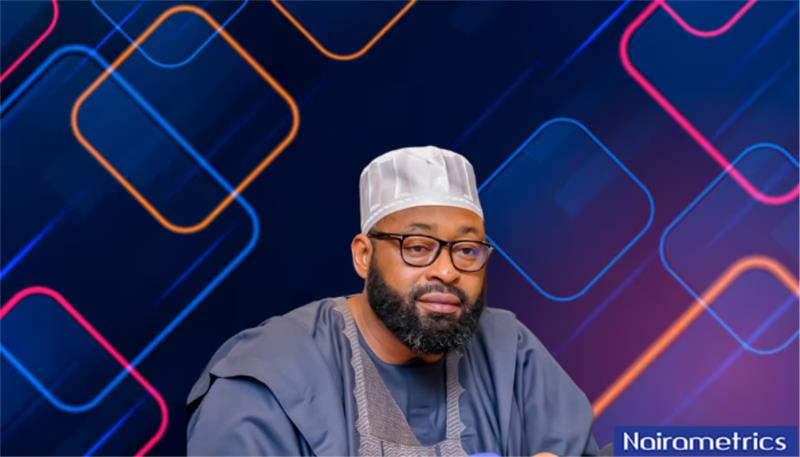
Mohammed Umar Bago is a Nigerian banker and politician who is the current governor of Niger State since 29 May 2023. He was born in Minna, Niger State, to a Nupe family. He was a member of the House of Representatives of Nigeria from Niger State representing Chanchaga Federal Constituency.
Mohammed Bago emerged the winner of the 2023 gubernatorial elections in Niger State after defeating Isah Liman Kantigi of PDP.
Born in 1974, Hon. Umar Bago attended Marafa Primary School, Minna and Federal Government College, Jos.
He earned his West Africa School Certificate from the WAEC. He earned a bachelor’s degree in political science at Usman Danfodio University, Sokoto. Hon. Umar Bago has obtained several postgraduate diplomas and master’s degrees, including a postgraduate diploma in management from the Federal University of Technology Minna in 2001, a Master of Business Administration (MBA) in economics at the Ambrose Ali University, Ekpoma, in 2003, and a master’s degree in finance at University of Calabar in 2005. He is also a distinguished alumnus from Cambridge University in the United Kingdom in 2014.
Bago worked with the United Bank for Africa (UBA), First City Monument Bank (FCMB), and Afri-Bank PLC respectively. He served as manager at First City Monument Bank. He officially joined politics in 2007.
He contested for the Speaker of the House of Representatives of Nigeria coming second to Femi Gbajabiamila in the 9th National Assembly.
He chairs the House Committee on Maritime Safety, Education and Administration.
He won the APC gubernatorial primary elections in Niger state ahead of the 2023 general elections. He became the winner of the gubernatorial election after pulling a total of 469,896 votes to his closest rival Alhaji Isah Liman Kantigi who got 387,476 votes.
Bago is married with children. His mother, Hajiya Aisha Mohammed, died on 1 June 2019 after a brief illness. To improve the educational quality of his constituency, he bought 1000 forms of JAMB to his people and also distributed 11 trailer loads of rice to his constituency as a palliative during Covid-19 pandemic period.
Ogun State – Dapo Abiodun
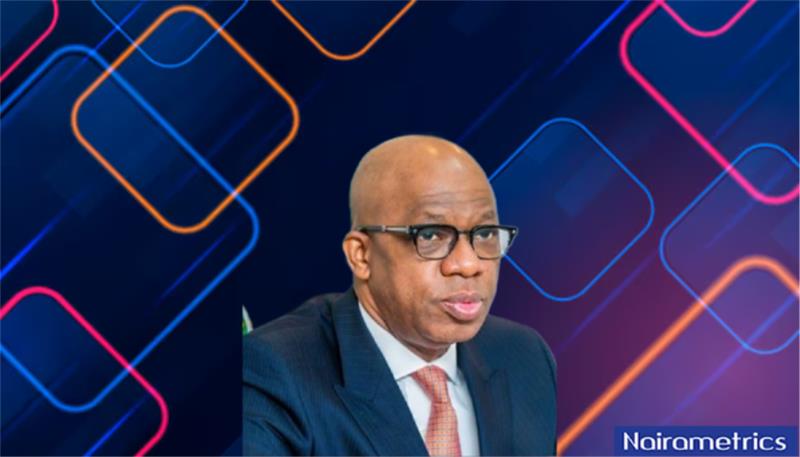
Ogun state governour, Adedapo Oluseun Abiodun was born on May 29, 1960, in Iperu-Remo, Ogun State. Abiodun began his tertiary education in civil engineering at Obafemi Awolowo University, but eventually moved to the U.S., earning a Bachelor of Business Administration in Accounting from Kennesaw State University in 1986.
He spent a few years in Atlanta working as a Cost Accountant at Glock Inc. from 1989 to 1991, which set the tone for his future in business leadership.
He ventured into entrepreneurship empire, becoming chairman or CEO of several ventures, including Heyden Petroleum, Crestar Hydrocarbons, OMS-Heyden Exploration and Production, Alarmnet, Innovative Ventures, and First Power Limited.
Notably, through his company Alarmnet, he was instrumental in supplying security communication systems during the turbulent mid-1990s in Lagos working with the state’s authorities to help curb armed robbery by providing vehicle-tracking systems and home alert devices.
In the oil and gas sector, his leadership at Heyden Petroleum grew from importing PMS and diesel to operating tank farms in Apapa, owning crude tankers, and managing retail outlets across the country. He also extended his interests into aviation, maintaining a fleet of chartered aircraft.
From 2012 to 2019, he led the Depot and Petroleum Product Marketers Association of Nigeria. In 2018, President Buhari appointed him chairman of the Corporate Affairs Commission.
Osun State – Ademola Adeleke

Ademola Nurudeen Jackson Adeleke, born on May 13, 1960, is a Nigerian businessman and administrator who became governor of Osun State in 2022.
Adeleke had part of his education in Nigeria before moving to the United States, where he studied criminal justice and political science at Jacksonville State University, Alabama. He later completed a Bachelor of Science in Criminal Justice at Atlanta Metropolitan State College in 2021.
His career began in the United States in 1985 as a service contractor with Quicksilver Courier Company in Atlanta, Georgia, a role he held until 1989.
He moved into the manufacturing sector in 1990, becoming vice president at Origin International LLC, an Atlanta-based flavours and fragrance company, where he was involved in managing operations and client relations until 1994.
Returning to Nigeria, Adeleke joined Guinness Nigeria Plc in 1992 as an executive director. He served in that position until 1999, working alongside high-profile figures including retired General Theophilus Danjuma.
In 2001, he was appointed group executive director at Pacific Holdings Limited, a diversified conglomerate founded by his brother. For fifteen years, until 2016, he oversaw business expansion and strategic operations in sectors including energy, infrastructure, and manufacturing.
Adeleke’s extensive experience in both U.S. and Nigerian corporate circles provided the foundation for his later transition into politics, first as senator for Osun West and later as governor of the state.
Oyo State – Seyi Makinde
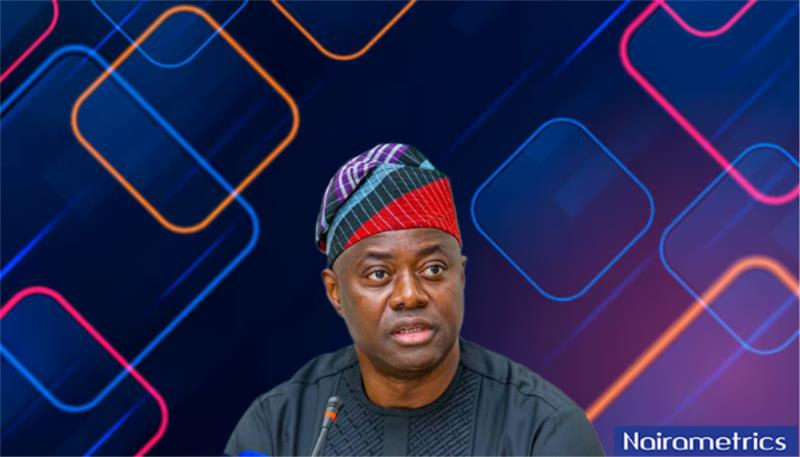
Oyo State governor, Oluseyi Abiodun Makinde was born on December 25, 1967. He is an engineer and businessman whose career in the private sector spans oil and gas, power, and industrial services.
After earning a degree in Electrical Engineering from the University of Lagos in 1990, he did his national service (NYSC) with Shell Petroleum Development Company (SPDC) of Nigeria, where he was later engaged as a pupil engineer, gaining hands-on experience in oilfield operations from 1990 to 1992.
He later joined Rebold International Limited, serving as a field engineer and assistant manager in Eket, Akwa Ibom State, where he supervised the design, installation, and commissioning of instrumentation projects between 1992 and 1997.
At 29, he founded Makon Engineering and Technical Services Limited (METS) in 1997, an engineering services firm that would grow into the Makon Group of Companies. The group expanded into oil and gas services, power generation, and distribution, becoming a recognised indigenous player in Nigeria’s energy sector.
Makinde’s first shot at politics was in 2007, when he contested the Oyo South Senatorial seat under the ANPP but lost to the PDP candidate. He later made unsuccessful bids for the Senate in 2011 and the Oyo governorship in 2015 before returning to the PDP, where he won the 2019 and 2023 governorship elections
Plateau State – Caleb Mutfwang

After earning his law degree from the University of Jos and being called to the bar in December 1989, Plateau state governor, Caleb Mutfwang gained solid experience at Fidelity Chambers (Byoma, Ichaba & Co.) in Kaduna, where he practiced actively from 1990 to 1995.
He didn’t stop there. In 1996, he founded Caleb Mutfwang & Co., a boutique legal practice offering trusted legal counsel to individuals, corporations, and government ministries.
Around the same time, he also served as Deputy General Manager for Legal & Secretarial Services at Peugeot Automobile Nigeria Limited, where he honed his skills in corporate compliance and secretarial leadership between 2002 and 2004.
He worked briefly with the then Federal Office of Statistics and the Nigerian Bank for Commerce of Industry (NBCI). He also joined the boards of several organizations.
Mutfwang’s private-sector journey wasn’t just about titles he brought together legal precision, corporate governance savvy, and leadership that gravitated naturally towards public service.
Mutfwang first dipped his toes into partisan politics in 2011, when he bid for a seat in the Nigerian House of Representatives seeking to represent Mangu/Bokkos under the PDP banner. Although he narrowly missed winning the primary, he chose to back his opponent and other party candidates insteadearning goodwill and planting early seeds of political capital. Three years later, in 2014, he ran for chairmanship of Mangu LGA and won.
Zamfara State – Dauda Lawal
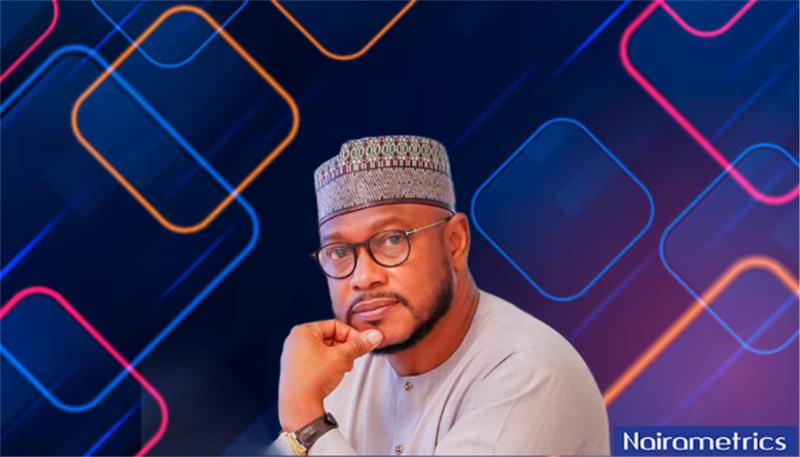
Zamfara State governor Dauda Lawal built his career on decades of experience in public service, diplomacy, and banking before venturing into politics.
Born September 2, 1965, in Gusau Lawal, he began his professional journey in 1989 as a political education officer with the Agency for Mass Mobilization for Social and Economic Reliance Nigeria. That same year, he moved into the private sector, joining Westex Nigeria Limited as an assistant general manager.
In 1994, he entered the diplomatic space as an assistant consular officer (immigration) at the Embassy of Nigeria in Washington, D.C., later becoming the chief protocol officer.
He joined First Bank of Nigeria Plc as a relationship manager in the commercial banking division. Over the years, he rose steadily through the ranks, serving as senior manager at the Abuja Area Office, business development manager in Abuja, and principal manager as group head PSG II. He later became assistant general manager (business development manager) in Maitama, then deputy general manager as group head for the public sector in Abuja.
Between October 2010 and September 2011, Lawal served as Executive Vice President, Public Sector North, at First Bank of Nigeria Plc. In September 2012, he was appointed Executive Director, Public Sector North, a role he held until his exit from the bank.
Lawal entered politics in 2018 general elections, contesting for the APC governorship ticket in Zamfara but lost in the primaries. He returned in 2022 under the PDP, won the party’s nomination, and in March 2023 defeated incumbent governor Bello Matawalle to become governor, assuming office on May 29, 2023.