
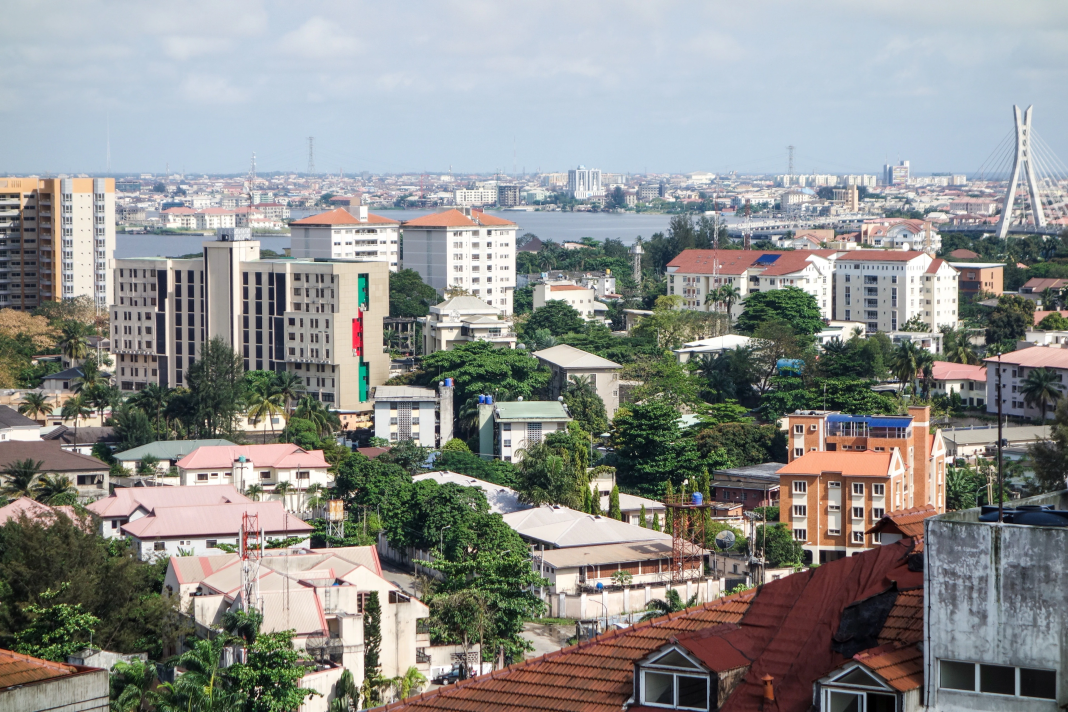
Despite a marginal 4.89% year-on-year (YoY) decline in total subnational domestic debt, Nigeria’s 10 most indebted states saw their combined debt rise by 2.49% YoY in Q1 2025, reaching N2.48 trillion, up from N2.42 trillion in Q1 2024.
The domestic debts of these states combined now account for 64.05% of the country’s total subnational domestic debt.
The domestic debt profile of Nigerian states has seen significant shifts in Q1 2025, with Lagos maintaining its position as the most indebted state despite a year-on-year (YoY) decline.


Meanwhile, states like Rivers, Enugu, and Niger recorded staggering increases in their domestic debt burdens.
The latest data released by the Debt Management Office (DMO) shows a reshuffling in Nigeria’s subnational domestic debt landscape, driven by a blend of fiscal constraints, infrastructure ambitions, oil revenue shifts, and tighter federal allocations.
This analysis explores the domestic debt trends of the top 10 states and the key factors driving their year-on-year changes.
The 10 most indebted Nigerian states in Q1 2025
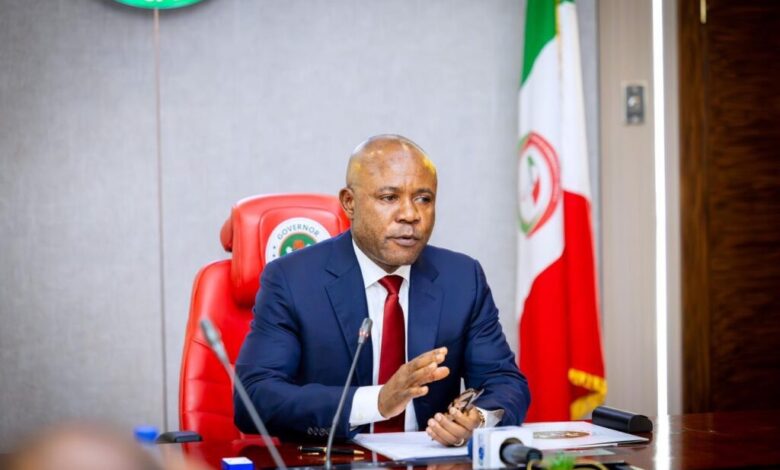
Enugu posted the most aggressive year-on-year debt spike of 128.46% among the top 10, rising from N82.48 billion to N188.42 billion, thereby tripling in value. This staggering increase contributed 7.60% to the total debt stock, and it stems from massive infrastructure financing, including the Enugu Metro Rail and new international airport terminal.
According to the Enugu State Debt Sustainability Analysis and Debt Management Strategy Report (2024–2033), the state government adopted a proactive fiscal stance to accelerate infrastructure development, particularly in transport, education, and healthcare. This strategy is aligned with the state’s Medium-Term Expenditure Framework (MTEF), which prioritizes capital investment over recurrent spending to stimulate long-term economic growth.
The Q1 2025 Budget Implementation Report further reveals that the surge in debt was partly due to the implementation of the state’s N971 billion “Exponential Growth and Inclusive Prosperity” budget, which includes large-scale infrastructure projects and economic reforms. These projects are expected to be financed through a mix of domestic borrowing, development partner loans, and public-private partnerships.