
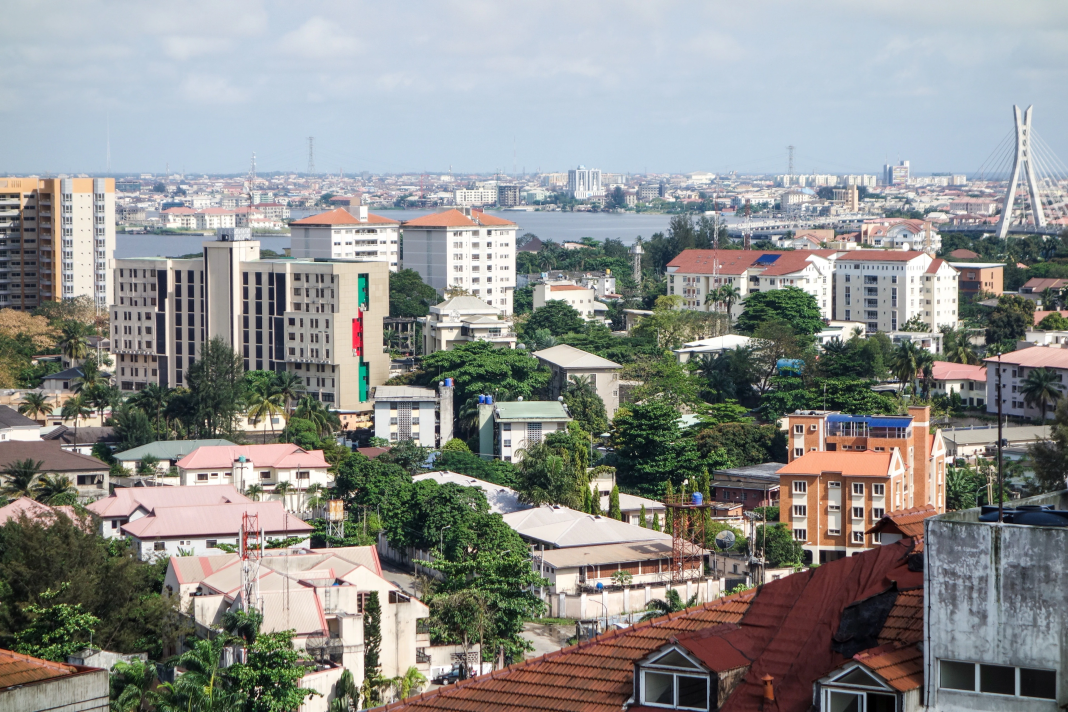
Despite a marginal 4.89% year-on-year (YoY) decline in total subnational domestic debt, Nigeria’s 10 most indebted states saw their combined debt rise by 2.49% YoY in Q1 2025, reaching N2.48 trillion, up from N2.42 trillion in Q1 2024.
The domestic debts of these states combined now account for 64.05% of the country’s total subnational domestic debt.
The domestic debt profile of Nigerian states has seen significant shifts in Q1 2025, with Lagos maintaining its position as the most indebted state despite a year-on-year (YoY) decline.

Meanwhile, states like Rivers, Enugu, and Niger recorded staggering increases in their domestic debt burdens.
The latest data released by the Debt Management Office (DMO) shows a reshuffling in Nigeria’s subnational domestic debt landscape, driven by a blend of fiscal constraints, infrastructure ambitions, oil revenue shifts, and tighter federal allocations.
This analysis explores the domestic debt trends of the top 10 states and the key factors driving their year-on-year changes.
The 10 most indebted Nigerian states in Q1 2025
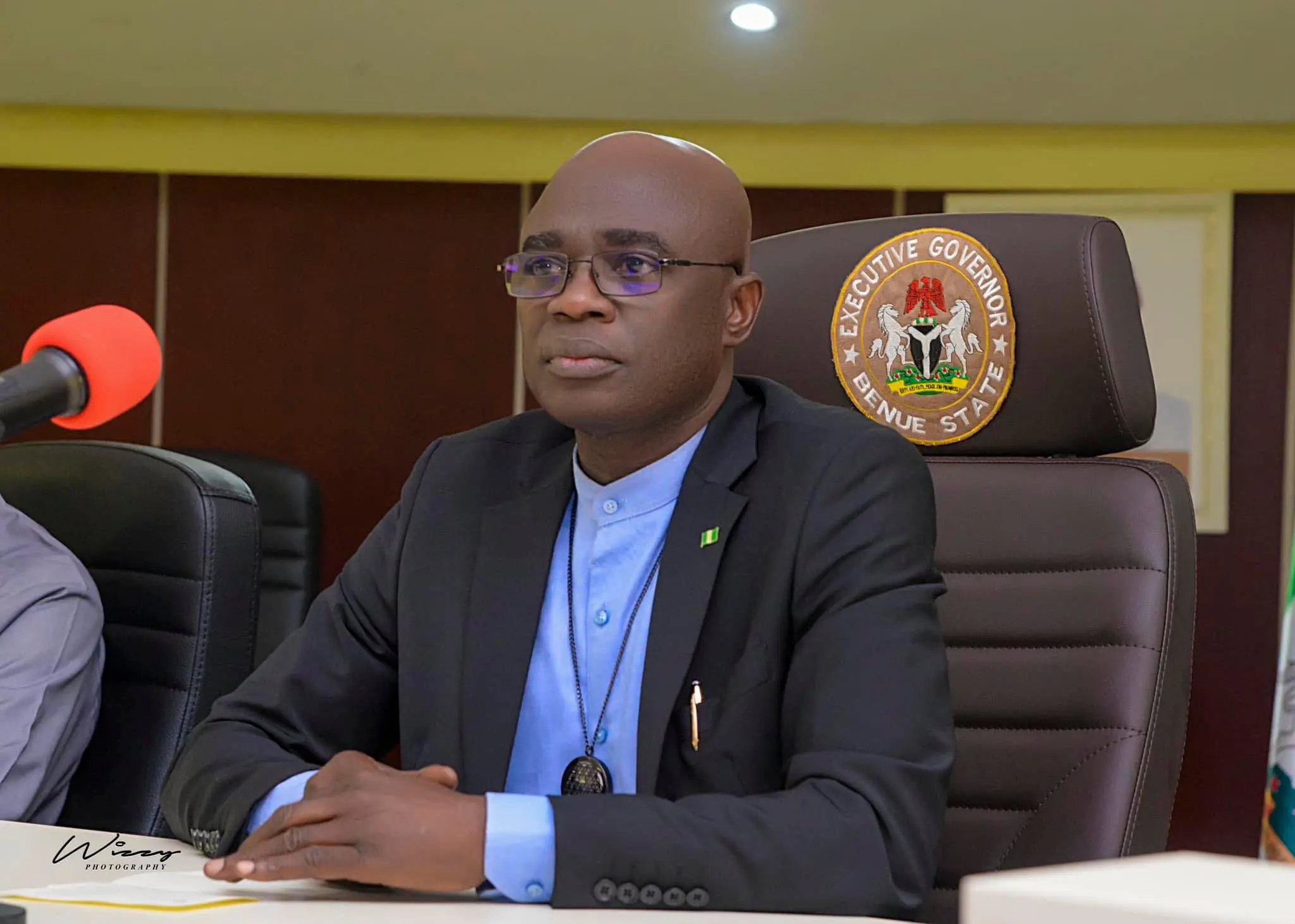
Benue maintained a moderate debt rise of 11.21%, from N116.73 billion in Q1 2024 to N129.82 billion in Q1 2025, as insecurity and resettlement efforts continue to strain its finances.
According to the Benue State Debt Sustainability Analysis (DSA) and Medium-Term Debt Strategy (MTDS) Report, the state’s debt trajectory is shaped by its medium-term fiscal framework, which includes assumptions about revenue mobilization, expenditure control, and macroeconomic conditions such as exchange rates and oil prices. Despite efforts to improve Internally Generated Revenue (IGR) through tax reforms and automation, the state still faced a significant fiscal gap.
The Q1 2025 Budget Performance Report reveals that Benue saw debt servicing jump over tenfold from N1.99 billion in Q4 2024 to N21.40 billion in Q1 2025. This dramatic increase was largely financed through FAAC allocations, with N16.22 billion of the N58.71 billion received from the federal government diverted to debt repayment. This indicates a growing dependence on federal transfers to meet debt obligations, rather than internally generated funds.
Furthermore, Benue was among seven Nigerian states that spent over 190% of their IGR on debt servicing in Q1 2025, highlighting the severity of its fiscal strain. While IGR rose to N5.18 billion from N1.98 billion, it was still insufficient to cover the ballooning debt service costs, which accounted for 31.6% of total state expenditure.
The debt uptick might reflect spending on humanitarian needs, salary arrears, and rural development projects, compounded by challenges in IGR mobilization due to farmer-herder conflicts.