
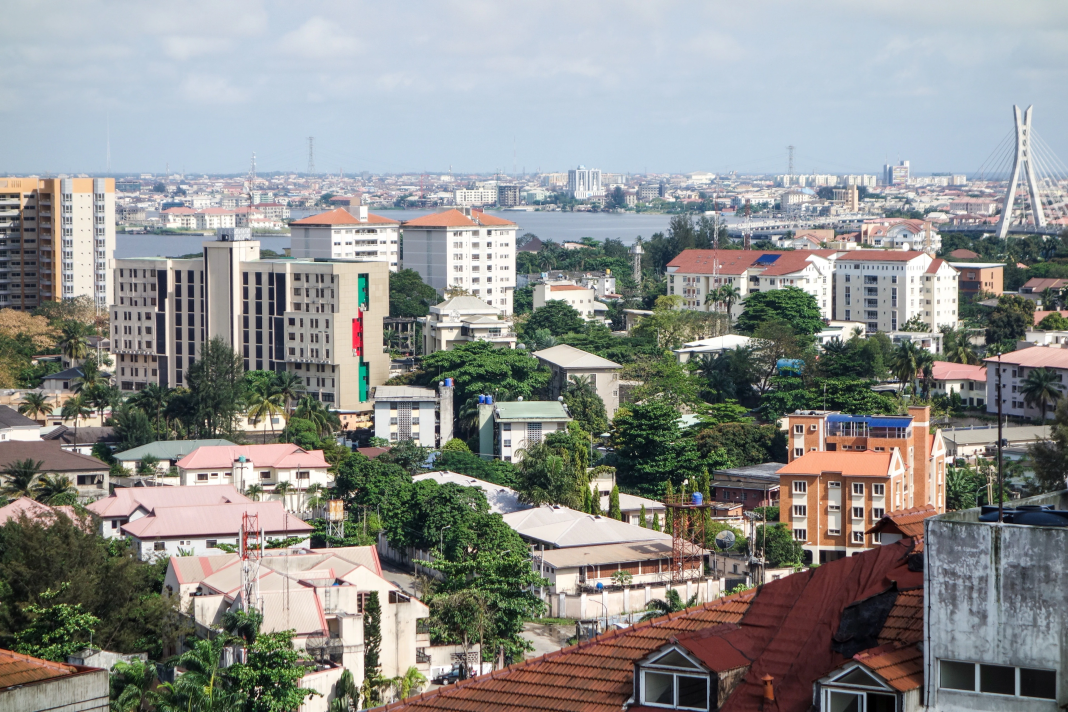
Despite a marginal 4.89% year-on-year (YoY) decline in total subnational domestic debt, Nigeria’s 10 most indebted states saw their combined debt rise by 2.49% YoY in Q1 2025, reaching N2.48 trillion, up from N2.42 trillion in Q1 2024.
The domestic debts of these states combined now account for 64.05% of the country’s total subnational domestic debt.
The domestic debt profile of Nigerian states has seen significant shifts in Q1 2025, with Lagos maintaining its position as the most indebted state despite a year-on-year (YoY) decline.
Meanwhile, states like Rivers, Enugu, and Niger recorded staggering increases in their domestic debt burdens.
The latest data released by the Debt Management Office (DMO) shows a reshuffling in Nigeria’s subnational domestic debt landscape, driven by a blend of fiscal constraints, infrastructure ambitions, oil revenue shifts, and tighter federal allocations.
This analysis explores the domestic debt trends of the top 10 states and the key factors driving their year-on-year changes.
The 10 most indebted Nigerian states in Q1 2025
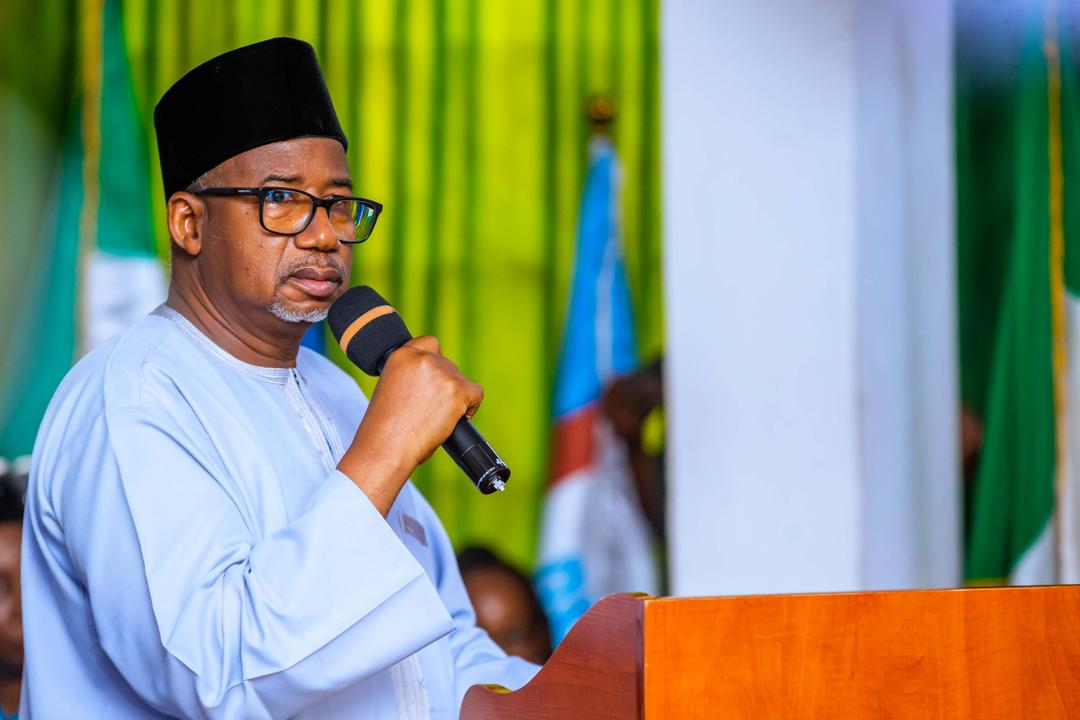
Bauchi added over N34 billion (31.38%) in new debts within the year, to N142.40 billion, signaling intensified spending on social infrastructure and governance reforms.
The rise is driven by a combination of escalating debt servicing costs, low internally generated revenue (IGR), and inefficient fiscal management.
According to the Q1 2025 Budget Implementation Report, Bauchi State spent N11.20 billion on debt servicing, which is 225% of its IGR of N4.97 billion. This disproportionate ratio underscores the state’s growing reliance on federal allocations to meet its debt obligations. In Q4 2024, Bauchi had spent N16.68 billion on debt servicing, indicating a persistent fiscal strain despite marginal improvements.
Also, administrative inefficiencies, such as delayed salary payments to local government workers, which reflect broader issues in budget execution and financial planning, contributed to this decline. These lapses erode public trust and reduce productivity, compounding the state’s fiscal challenges.