

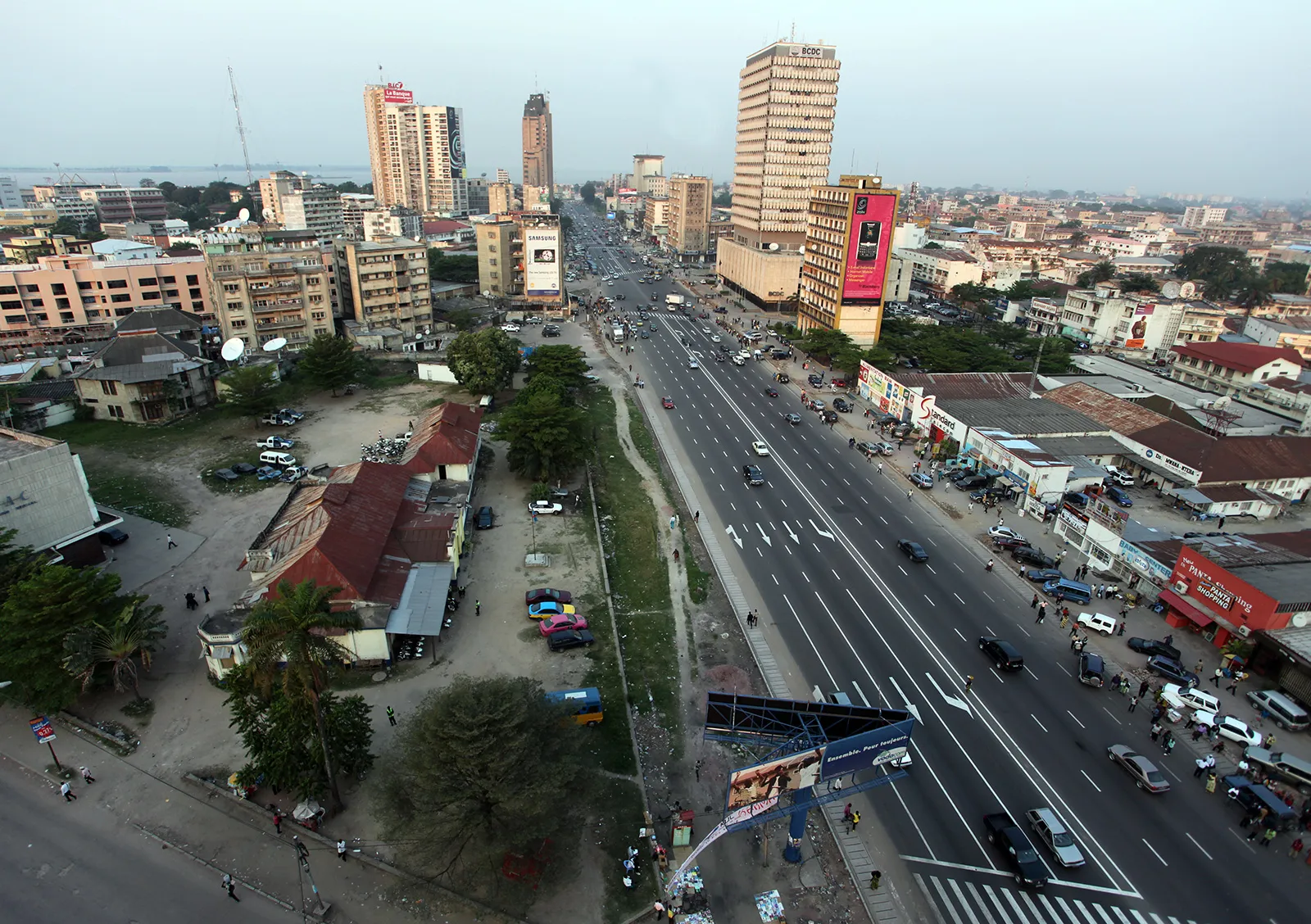
Africa is on the cusp of a historic population boom, one that is already reshaping its urban centers and redefining its global significance.
With a total population of 1.5 billion as of 2024, growing by 100 million every three years, the continent has become the focal point for the next wave of global innovation, business, and finance.
This article highlights the most likely hotspots for population bursts across Africa, its largest and fastest-growing cities.


Initial projections showed that by 2025, each of the top 10 cities will be home to millions, with the top cities already exceeding 4 million residents.
These urban centers are absorbing the lion’s share of the continent’s growth, signaling where infrastructure, investment, and innovation will be most urgently needed.
By 2050, Africa’s population is expected to reach 2.5 billion, with 80% of that growth concentrated in cities. Countries like Nigeria, projected to have an urban population of 250 million, and Egypt, with 147 million, will rank among the most urbanized nations globally.

As of 2025, Khartoum’s population is estimated at 6,754,180, a remarkable increase from 182,686 in 1950. This growth reflects the city’s ongoing urban expansion and development.
Over the past year, Khartoum added 212,110 residents, representing a 3.24% annual growth rate.
These figures are drawn from the latest revision of the United Nations World Urbanization Prospects.
The estimates account for the entire urban agglomeration, encompassing Khartoum and its surrounding suburban regions.
This steady rise in population highlights the city’s growing importance and the pressures it faces in terms of infrastructure, housing, and services due to rapid urbanization.











This is not true, Kano Nigeria also has more than 10 million people and it is not in the list
This is not true, Kano Nigeria also has more than 10 million people and it is not on the list