
 Follow Us on Google Discover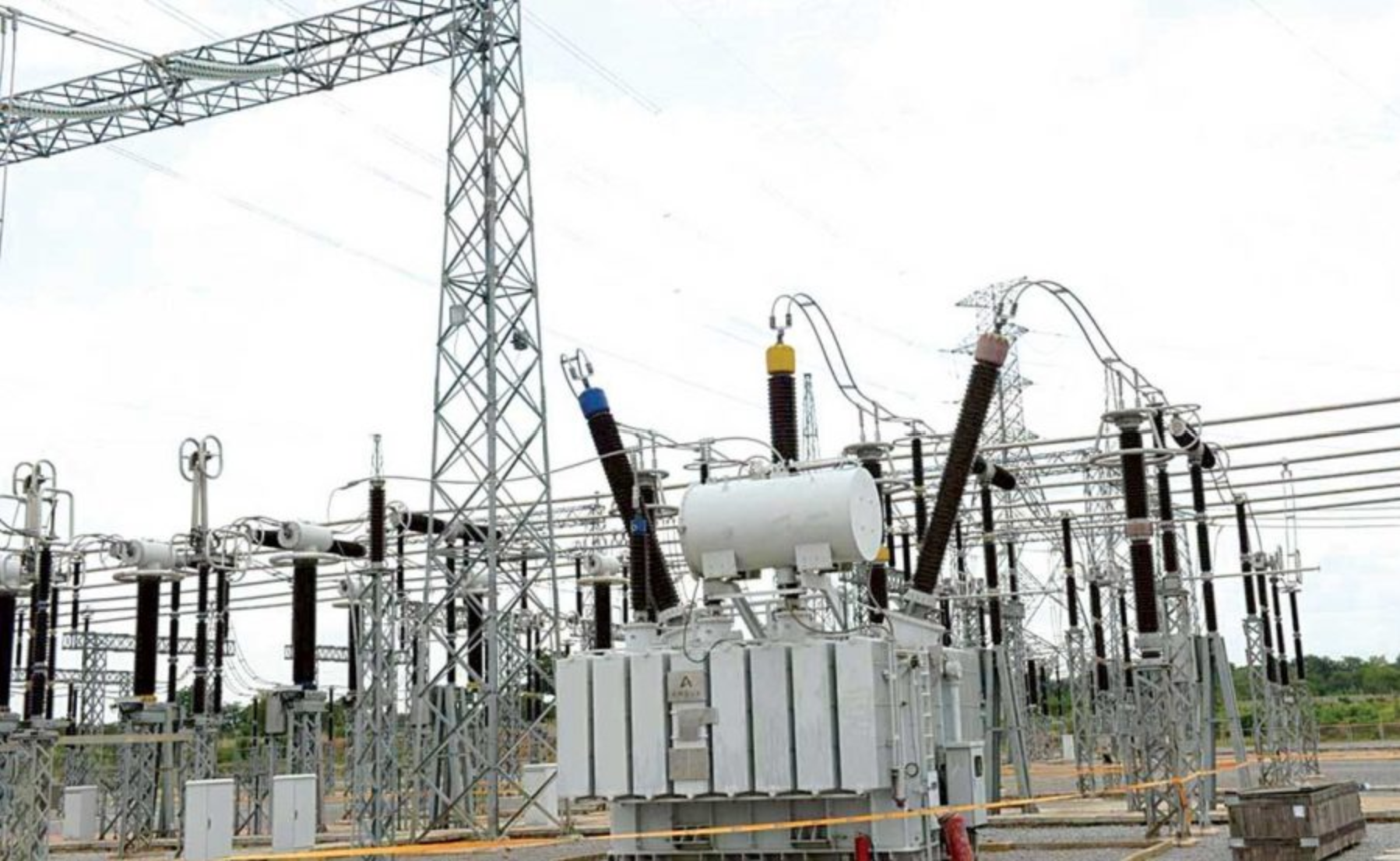
In Nigeria, the Nigerian Electricity Regulatory Commission (NERC) makes use of key tariff assumptions for each review that is carried out.
The Commission adjusts customer tariffs based on some costs and assumptions like the cost of electricity, operations and maintenance costs, and regulatory charges.
In a recent document, the Energy Markets and Rates Consultants (EMRC) shared some insights into how these tariff reviews work.
Here are the key tariff assumptions that may be subject to adjustment during various tariff reviews (Minor, Major, and Extraordinary) within the Nigerian Electricity Supply Industry (NESI):
Also Read
Inflation Rates in Nigeria and the United States: The cost of power, being produced, supplied, and consumed in Nigeria, is influenced by inflation rates within the country.
Additionally, the importation of equipment for constructing power infrastructure exposes the sector to changes in the US inflation rate.
These inflation rates are applied in the tariff structure to safeguard investors in case of inflation-driven increases in the cost of doing business.
Gas Price: Given that a significant portion of power plants in Nigeria rely on gas for operation, the price of gas is a critical factor in power generation.
Therefore, the gas price is incorporated into the Multi-Year Tariff Order (MYTO) and reviewed bi-annually to ensure alignment with market prices and to prevent gas suppliers from incurring losses.
This gas price comprises the actual cost of gas and the expenses associated with transporting it from the supplier to the power plant.
Foreign Exchange Rate (Forex) of the Naira to the Dollar: NESI licensees often import essential equipment for generation, transmission, and distribution, such as meters, cables, transformers, and toolkits, which are valued in US dollars. This exposes the sector to foreign exchange risk.
To protect investor interests, any fluctuations in the exchange rate between the Naira and the US Dollar are accounted for.
The electricity tariff is based on the official Central Bank of Nigeria (CBN) exchange rate.
Generation Capacity: This involves estimating the projected generation capacity available based on the tested capacities of power plants.
This estimation allows for accurate energy accounting and provides clarity on the capacity available for consumption within a specific period.
For instance, if a power plant experiences unexpected downtime, leading to reduced generation capacity, a tariff review recalculates the estimated available generation capacity.
This ensures that customers are billed accurately based on the actual energy they receive, maintaining fairness and transparency.
Energy Generated & Delivered: This projection anticipates the amount of energy that will be generated and supplied to the Distribution Companies (Discos).
In the MYTO, Discos have an obligation to receive a certain percentage of the total available energy at any given time. This percentage, referred to as load allocation, varies among the 11 Discos.
These tariff assumptions play a crucial role in maintaining stability and fairness within the NESI, ensuring that both investors and consumers are protected and that the energy market operates efficiently.
Tariff reviews help to adapt these assumptions to the evolving dynamics of the industry, fostering sustainability and reliability in the Nigerian electricity sector.


All reasons adduced for the tariff Changes dose not merit increase by 1225% per unit. You people want to restrict the use of electricity to the very well to do in the country.. Imaging someone consuming 200 units in a month to pay #168400. . How much is minimum wages .
Hello, I really want to appreciate your articles on power. You and nairametic helped me discover NERC where I found out the rights of customers. Currently, I have a case with PHED on over billing since April when I was formally charged 8-9k which they push to 19-20k(monthly) from April till now. Before this September ending I will meet PHED in NERC where we shall resolved the issues. On your article that helped me, you wrote that there is an issued out energy cap for every area which if they over bill us more than that we should report to NERC. PHED has been issuing us in this area and I believe everywhere in south south far over the actual energy cap. From April the actual energy cap is 245 but PHED has been giving me 420-430 energy cap. Extorting the poor Masses, so the actual bill should be #9400k or less per month but PHED are firing me with #18- N20k per month. Am yet to find out if these bills are printed from the real PHED or workers of PHED in Uyo Akwa ibom. That we shall find out when we meet in NERC office to resolve our issues because PHED customer attendant that called me on phone to come to there office when I summited a letter in care of NERC made and gave me hand written calculation and used 245 energy cap as the calculation for April to this date so I showed her that on the PHED bill they used 425 energy cap, she said she knows nothing about the PHED bill issued to me which I showed her. So there is a fraud going on in PHED uyo akwa ibom. Please I really appreciate nairametric and you cause ever since I have been had relief no more high BP from PHED. Wanted to pay for meter on Thursday when PHED gave their own 1phase meter price for #88k while on NERC it is now #81k. Please if you can use my testimony to let people know about there rights and to use NERC it would be better. I will also join and set up a blog when I finish my case with PHED to let the poor Masses have peace of mind from the looters PHED uyo cause gradually they are killing people of high BP. I will update you on the issues as it unfold thanks for helping me
Can you share some insights into the key contributors or experts who write for Nairametrics and their areas of expertise in the financial sector?