
 Follow Us on Google Discover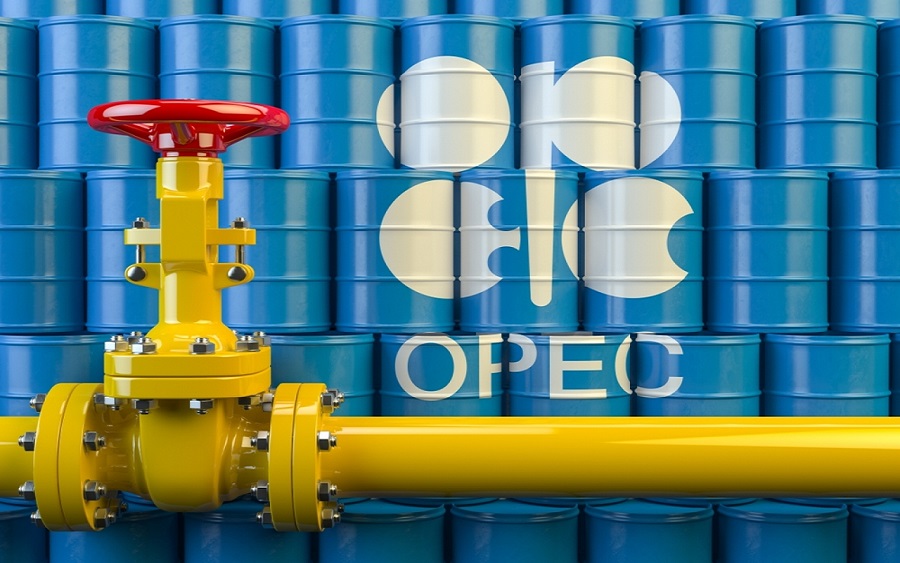
Article Summary
- Saudi Arabia and the United Arab Emirates (UAE) have resolved their rift within OPEC+ by agreeing to allow additional oil supplies from Saudi Arabia to the UAE next year.
- As part of the agreement, African members of OPEC+ like Angola and Nigeria will have to give up some of their unused production quotas to the UAE.
- The deal highlights the dominant role of major oil producers like Saudi Arabia and the influence they have over decision-making in OPEC+, potentially at the expense of African members.
Saudi Arabia agreed to allow additional supplies of oil to the United Arab Emirates next year, bridging the rift that nearly collapsed the OPEC+ alliance two years ago.
Apart from the group’s African members, the agreement was a prelude to hours of tense negotiations and uncomfortable decisions. The deal they struck at the cartel’s Vienna office building called for exporters from countries like Angola and Nigeria to give up some of their unused production quotas to the wealthy Gulf Emirates.
Saudi Arabia plans to cut production sharply in July, along with a broader deal to limit supply until 2024, as OPEC+ seeks to boost oil price declines. But Saudi Arabia is the only member of OPEC+ with enough spare capacity and stocks to easily scale back or boost production. Saudi Arabia is the group’s largest single oil supplier, producing more than 10 million barrels per day.
In addition to extending the existing OPEC+ production cut of 3.66 million barrels per day (bpd), the group said on Sunday it will increase its overall production target by an additional 1.4 million bpd from January 2024, compared to the current reduction target of a total of 40.46 million bpd. In contrast, the UAE was allowed to raise its production target by about 200,000 barrels per day to 3.22 million barrels per day.
Also Read
Resolution between 3 African countries
Nigeria, Congo, and Angola have agreed to use their highest output of the past six months from November 2022 to April 2023 as the basis for setting 2024 quotas.
In February 2023, Nigeria reached its greatest crude oil production level of 1.38 million barrels per day. The nation’s output can be increased up to its present OPEC quota of 1.74 million barrels per day, but after that, it will be capped at 10% less than its allotment through 2024.
Consequently, OPEC’s most recent agreement demonstrates a profound friendship between Prince Abdulaziz bin Salman, the Saudi Arabian energy minister, and Suhail Al Mazrouei, his counterpart from the United Arab Emirates, and how the oil cartel has come to be increasingly dominated by major producers who make important decisions at the expense of African members. It was evident that the protests, which were led by Nigeria, were unhappy about such a proposal.
The threat
However, Saudi Arabia threatened to rescind the voluntary production cuts made by important members in April to end the impasse if the African nations didn’t make concessions.
Nigeria, Angola, and other African members were placated with an assurance that their reduced quotas could be revised higher again if an independent review showed their production capacity was recovering.
The main beneficiaries of this pact were its most powerful members. Russia, which has frustrated OPEC partners this year by maintaining high output despite the Ukraine war and ensuing sanctions, does not need to make further cuts this year.
Nigeria is Africa’s largest crude oil producer but imports most of its refined products after refineries closed which has created a black hole in its budget.
Partial origin of Ukraine’s war
A sharp decline in oil production last year, combined with high global fuel prices due to the war in Ukraine, increased NNPC’s debt to dealers. The company owes the consortium about $2 billion, according to the September 2022 NNPC report to the Federation Account Allocation Commission
The slump in Nigeria’s oil production has left the government in jeopardy, with debts of Naira 77 trillion to domestic and foreign creditors. Already 96% of government revenue is being used to service debt, and some are concerned that continued subsidy payments could further exacerbate the government’s cash flow.
The way forward
The World Bank also stressed that Nigeria needs to increase spending from its current very low levels to boost economic development. The key to increasing public spending is increasing revenue quickly.
Nigeria’s revenue to GDP ratio in 2021 is 7%, ranking fifth lowest in the world. Improving service delivery and putting Nigeria on a sustainable financial trajectory requires a multi-faceted approach based on three interrelated and mutually reinforcing pillars.
What are these “three interrelated and mutually reinforcing pillars” that Nigeria needs for a sustainable and speedy economic recovery??? Your conclusion leaves a gap to be filled.
Saudi Arabia will be cutting its production by almost 4 million barrels per day. Only UAE was allowed an increase. Meanwhile, Nigeria has struggled over the last few years to even match the new quota of 1.3 million (which excludes condensate of about 300K). These cuts are in the best interests of Nigeria and other OPEC+ producers as it firms up (and stabilizes) prices.