 Follow Us on Google Discover
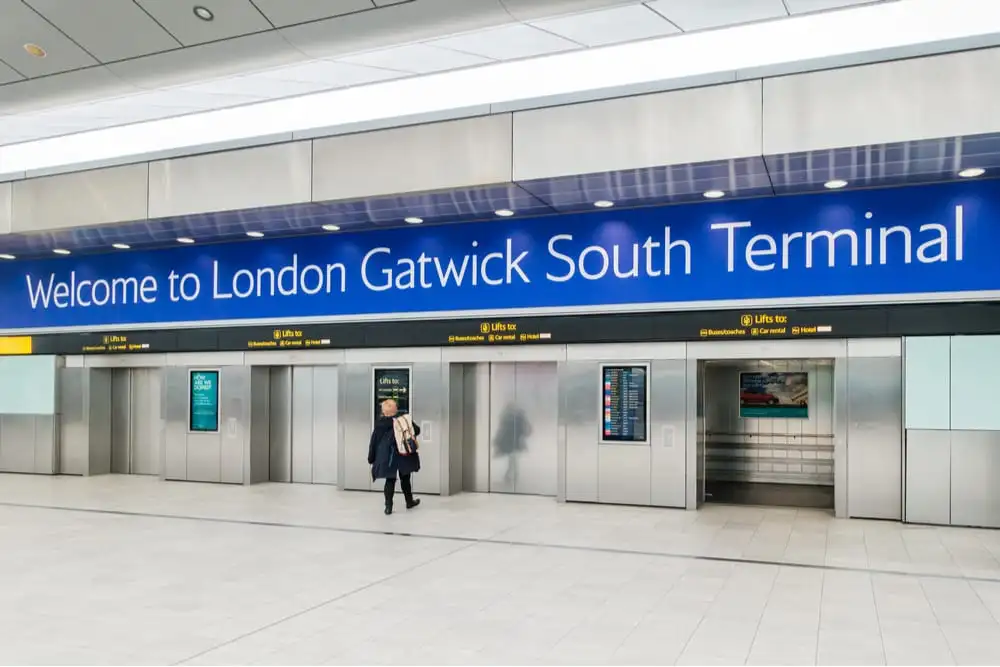
The United Kingdom’s net migration fell to 77,000 in the year ending June 2026, its lowest level outside the COVID-19 pandemic period since 1997, as tighter visa rules and declining arrivals of foreign workers and international students continued to reshape immigration into the country.
Provisional figures from the Office for National Statistics (ONS) show that net migration declined by more than 62% from the 204,000 recorded in the year ending June 2025.
The reduction represents a fall of 127,000 in the difference between the number of people entering the UK and those leaving, reflecting the impact of immigration restrictions introduced by the British government.
UK net migration drops 62% in one year
The ONS data showed that the decline in net migration was driven largely by fewer arrivals, particularly among non-European Union nationals.
Also Read
- Immigration fell by 17% during the period, while emigration declined by 4%, contributing to the sharp reduction in net migration.
- Work-related migration among non-EU nationals fell by 25%.
- Study-related migration declined by 23%, while arrivals linked to asylum dropped by 22%.
- Migration among European Union nationals remained negative at 45,000, marking the fourth consecutive year that more EU citizens left the UK than arrived.
- Total long-term immigration declined to 738,000 from 893,000 in the previous year, while 661,000 people left the country.
The figures show that the reduction in arrivals was substantially greater than the change in the number of people leaving the UK.
The decline follows a series of immigration policy changes introduced by the British government, including tighter eligibility requirements for work visas, restrictions on international students bringing dependants and tougher compliance rules for universities sponsoring overseas students.
UK visa restrictions reshape migration trends
The restrictions have affected employers and educational institutions that traditionally depend on international recruitment, particularly in sectors such as healthcare, hospitality and technology.
- Lower migration could make recruitment more difficult for businesses that rely on overseas workers, while universities risk losing international tuition revenue.
- The ONS estimated that the UK population reached 69.6 million in June 2026, representing annual growth of just 80,000.
- The population increase was the lowest recorded since 1983, highlighting the growing influence of migration on demographic growth.
The difference between births and deaths is also narrowing, increasing the significance of migration in the country’s population trends.
The figures underline the potential economic implications of a sustained decline in international arrivals.
For employers, reduced access to overseas workers could create additional recruitment challenges, while universities may face pressure on enrolment and income from international students.
UK student visa restrictions affect Nigerians
The latest migration figures follow a series of immigration restrictions that have increasingly affected Nigerian students and other foreign nationals seeking opportunities in the UK.
- Nairametrics reported on October 11, 2026, that UK universities were withdrawing admission offers to Nigerian students as visa refusals increased.
- The report noted that 22.7% of UK study visa applications from Nigeria were withdrawn in the first half of 2026, compared with 4.5% in the corresponding period of 2025.
- On June 4, 2026, Nairametrics reported that the UK was moving to restrict universities from sponsoring international students, with institutions facing tougher enrolment and course-completion requirements.
- On October 28, 2026, Nairametrics reported that the UK had increased its student visa proof-of-funds requirement to £14,130 for applicants studying in London, effective November 30, 2026.
The restrictions follow a period of strong demand for British education among Nigerians. In February 2026, Nairametrics reported that the UK granted 30,204 study visas to Nigerian nationals in 2025, representing a 59% increase from the previous year.
The ONS is scheduled to publish its next migration statistics in May 2027, providing another assessment of how the UK’s immigration policies are affecting arrivals, departures and population growth.