Follow Us on Google Discover
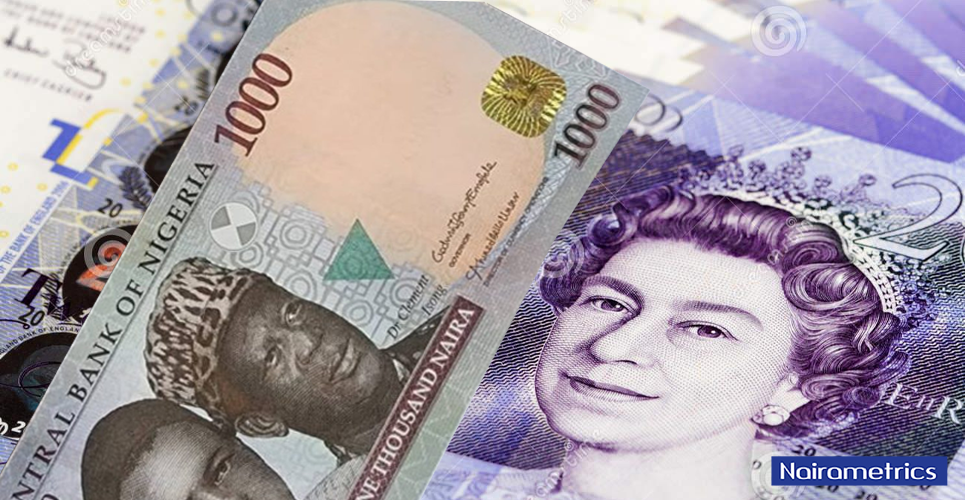
The British Pound to Nigerian Naira (GBP/NGN) exchange rate remains trapped in a tight range of N1,740/£ to N1,840/£, as competing macroeconomic forces in London and Lagos influence the dynamics of both the British pound and the Nigerian naira.
Demand for the pound is rising in Nigeria as holiday travel, shopping and additional fee payments to UK universities begin. Seasonal demand lifted the exchange rate to N1,825/£ in September before sterling’s weakness dragged it back below N1,800/£.
GBP/NGN is currently trading near N1,791/£. The currency pair finds itself caught in a tug-of-war between opportunistic, seasonality-driven demand in Nigeria and fluctuating expectations of interest rate hikes by the Bank of England (BoE).
According to the prevailing market outlook, GBP/NGN is expected to trade within a range of N1,740/£ to N1,840/£ until the end of the year. Strategists see little chance of a sustained break below N1,750/£, citing two major sources of support for the pound.
Also Read
One of these is persistent expectations of monetary tightening by the Bank of England (BoE). On the upside, upward movements towards N1,850/£ are expected to encounter stiff resistance ahead of the Central Bank of Nigeria’s external reserves, providing room for policy interventions to prevent unusually sharp swings in the naira.
Upper resistance levels are seen around N1,850/£ and N1,862/£, while major support levels stand at N1,760/£ and N1,740/£.
Upside Risks: Bullish GBP/NGN Outlook Towards N1,850+
The currency pair could rise above its current ceiling of N1,850/£ following positive macroeconomic developments or unexpected capital inflows, increasing the risk of further gains towards N1,862/£.
Any sustained upward movement towards N1,850/£ is expected to be capped by the Central Bank of Nigeria’s (CBN) approximately $55 billion in external reserves.
Apart from a temporary break above the N1,850 mark, the risks could also tilt to the downside. Traders could see the pair falling below N1,740/£ towards N1,720/£ if UK inflation declines.
A fall in the UK’s Consumer Price Index (CPI) would indicate easing inflationary pressures, reducing the need for the BoE to maintain or deepen interest rate hikes.
Selling pressure on the pair could accelerate towards N1,720/£ or lower if foreign portfolio investment (FPI) inflows into Nigeria increase, alongside sustained inflows of foreign currencies into the country’s high-yield local currency bond market.
British Pound on Its Fifth Consecutive Losing Streak Against the US Dollar
The British pound sterling has been on a downward trend against the US dollar. The currency pair lost momentum for the fifth consecutive session, trading around the $1.32 level early Monday. The US dollar advanced on stronger expectations of monetary tightening by the Federal Reserve (Fed) in 2018. Current market bets stand at approximately 81%, reflecting expectations of a Fed rate hike in 2018.
Traders are awaiting upcoming speeches by the Fed’s Kevin Warsh, while UK employment figures and US retail sales data are also due later in the day.
Hawkish comments from the Fed and hotter-than-expected US October inflation data have revived expectations that the US central bank may need to raise interest rates aggressively to address persistent inflationary pressures.
- “There’s some work to do on inflation,” Kansas City Fed President Jeff Schmid said on Sunday. “The Fed has what it takes to bring the cost-of-living pressures under control.”
Markets are pricing in a higher federal funds rate, with a 6.5% probability of a 50-basis-point increase when the Fed concludes its policy meeting on December 9.
Traders are anticipating higher US interest rates in the near term, but also expect restrictive monetary policy to pose a greater headwind to medium-term US economic growth. That slowdown, however, has yet to emerge.
The Bank of England (BoE) announced an increase in its interest rate to 4.00% from 3.75% at its November meeting, its first rate hike since August 2023.
- “Higher rates are already having a tightening effect, and today’s hike is a further significant step in returning monetary policy to a more appropriate setting, but we still have further to go,” BoE Chief Economist Huw Pill said on Saturday.
Pill also indicated that the UK central bank is likely to raise interest rates again in 2027, following a possible additional hike at its next meeting in December, as it continues efforts to tackle inflation.