Follow Us on Google Discover
Artificial intelligence is changing the economics of doing business. From how companies manage operations to how professionals process information and make decisions, technology is creating new possibilities for productivity and growth. But access to AI tools alone does not guarantee that businesses will become more competitive. The value lies in understanding where and how to apply them.
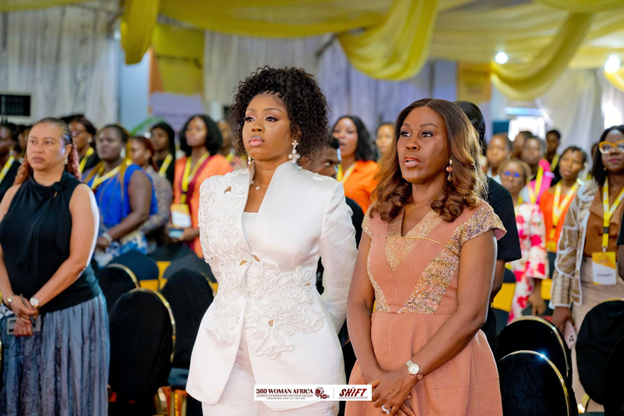
This was a central concern at THE SHIFT 2026, the eighth annual conference organised by 360 Woman Africa, which marked the organisation’s tenth anniversary in Lagos on October 31. Held under the theme, “THE SHIFT: Designing Women’s Relevance in an AI-Intelligent World,” the conference examined how women can position themselves in an economy increasingly influenced by artificial intelligence, changing business models and new demands for skills.
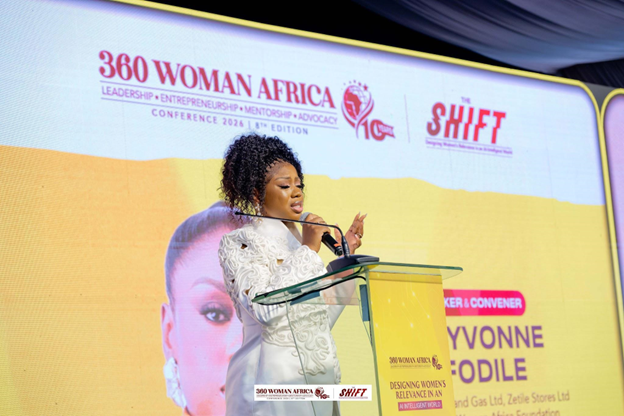
For Dr. Yvonne Chioma Ofodile, Founder and Convener of 360 Woman Africa, the focus on AI reflected the need to connect women’s development with the realities shaping the present and future of work and business. She explained that the organisation wanted to make technology more accessible by helping women understand what AI can do and how to deploy it in their businesses, careers and everyday lives.
Also Read
“We wanted this year’s conference to speak to the present and the future. AI is already changing how we live, work and do business, and women must be part of shaping that change. It is not enough to know that AI exists; women need to understand how it works, how to deploy it and how to use it to create opportunities for themselves and their businesses,” she said.
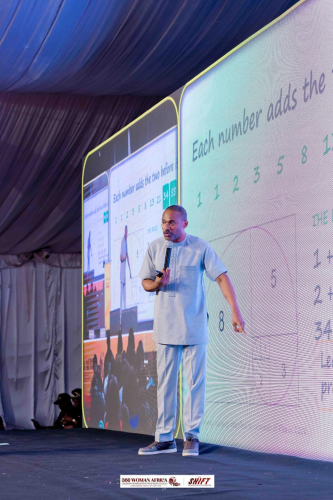
Dr. Olubayo Adekanmbi, Founder and CEO of Data Science Nigeria and Co-Founder and CEO of EqualyzAI, reinforced the importance of moving beyond familiarity with AI applications to understanding the technology itself. He urged participants to keep updating their knowledge as technology evolves, stressing that the effectiveness of AI depends partly on how well people understand and communicate with it.
He also highlighted the limits of relying on automated predictions without human judgement. “AI predicts what is likely; you decide what is right,” he said, explaining that although AI can identify patterns and predict possibilities, it does not necessarily understand the context, values and considerations behind business decisions.
For women running businesses and building careers, the implications extend beyond learning to operate new tools. The ability to identify problems AI can help solve, apply it appropriately and translate its capabilities into business value will increasingly matter to productivity and competitiveness.
The conference also examined the broader conditions required for women to participate in a changing economy. The panel session, “From Users to Builders: Women Designing Africa’s AI Economy,” explored women’s role in the development and application of technology,
while “Leading Through the Shift: Leadership, Wealth and Influence in an AI-Intelligent Economy” considered how women can strengthen their economic participation, leadership and influence.
The discussions also connected technological change with the fundamentals of enterprise growth. Mrs. Tara Fela-Durotoye, Founder of House of Tara International, emphasised that building a sustainable business requires more than the founder’s personal effort.
“If your business stops functioning in your absence, then you haven’t built a system that can outlive you,” she said. She also encouraged women to continue investing in their own development while building others, noting that personal growth shapes leadership.
Mrs. Ibukun Awosika, former Chairman of First Bank of Nigeria and Founder of The Chair Centre Group, addressed the importance of consistency and continuous learning in maintaining professional relevance. In her keynote, “Relevance is Built, Not Given: Lessons in Leading Through Every Shift,
she warned that pride can make leaders unteachable, while an unwillingness to adapt can undermine their ability to remain relevant. Her message reinforced the need for business owners and professionals to keep developing their capabilities as market expectations change.
The link between access and economic opportunity was also illustrated during a session with Prince Nnamdi Ekeh, Group CEO of Konga Group.
When a woman asked a question about her corporate social responsibility initiative, he offered to become her first investor. The exchange highlighted how access to business leaders and networks can create opportunities for women seeking to advance their initiatives.
THE SHIFT 2026 brought that ambition into the context of technological change. As AI reshapes the way businesses create value, women’s economic competitiveness will depend not simply on whether they have access to new tools, but on whether they can apply them, develop relevant capabilities and build enterprises positioned to grow.
The question, ultimately, is not just how women will adapt to the AI economy, but how effectively they can participate in creating its economic value.
About 360 Woman Africa
360 Woman Africa is a nonprofit organisation focused on advancing women’s leadership and enterprise development through skills training, mentorship, advocacy and access to opportunities. Founded by Dr. Yvonne Chioma Ofodile, the organisation is marking 10 years of equipping women with the knowledge, networks and capacity to thrive in business and leadership.
Email: [email protected]
Website: https://360womanafrica.com
IG Page: 360womanafrica