Follow Us on Google Discover

Nigeria has an installed capacity to produce between 450,000 and 500,000 vehicles annually, compared with estimated domestic demand of between 350,000 and 450,000 vehicles, the National Automotive Design and Development Council (NADDC) has said.
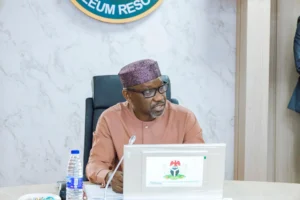
The Director-General of NADDC, Joseph Osanipin, disclosed this on Tuesday at the opening of the 26th Abuja International Motor Fair, highlighting the need for access to finance, supportive legislation and local production of vehicle components to unlock the country’s automotive manufacturing potential.
He said Nigeria could meet its vehicle demand through local production if the government provided the necessary support and enabling environment for assembly plants.
Nigeria’s vehicle production capacity
Providing a breakdown of the country’s automotive capacity and demand, Osanipin said Nigeria had enough installed capacity to meet its annual vehicle requirements with the right support.
Also Read
- “As of today, we are between 450,000 and 500,000 installed capacity for automobile in Nigeria,” he said.
- “Today also, Nigeria buys between 350,000 to 450,000 vehicles annually. What that means is that we can produce it when we put in place some necessary tools,” he added.
The NADDC boss said the Federal Government had released implementation guidelines for the Nigeria First Policy in the automotive sector as part of efforts to promote locally assembled vehicles.
He added that the council was working on an automotive bill and a component development programme to strengthen domestic manufacturing and encourage local production of vehicle parts.
On vehicle financing, Osanipin said NADDC had collaborated with the Nigerian Consumer Credit Corporation (CREDICORP) to develop guidelines for accessing consumer credit to support vehicle purchases.
According to him, more than 50% of CREDICORP’s disbursements so far have gone to the automotive sector.
He also disclosed that most of the vehicles displayed at the motor fair were locally assembled, noting that manufacturers could customise vehicles to meet the requirements of government agencies.
To address concerns around vehicle maintenance and after-sales support, he said the council had reached an agreement with local assemblers to establish service workshops across the country, including through partnerships with existing workshops.
Osanipin added that NADDC had trained about 40,000 automotive technicians to support maintenance and after-sales services for locally assembled vehicles.
Government targets stronger position in African automotive market
The Minister of Industry, Trade and Investment, Dr Jumoke Oduwole, described the automotive industry as a priority under the Tinubu administration’s industrialisation agenda.
She said the government was supporting the sector through legislation, access to credit, regulations and measures to curb vehicle smuggling.
Oduwole also announced that Nigeria would host an automotive exhibition as part of the 2027 Intra-African Trade Fair scheduled to hold in Lagos from November 5 to November 11.
According to her, the exhibition would provide a platform for manufacturers to showcase vehicles and components, attract investment and establish connections with markets across Africa.
She said Nigeria needed to secure a prominent position in the continent’s automotive value chain under the African Continental Free Trade Area (AfCFTA).
Nigeria’s push to boost local vehicle production
Nigeria’s efforts to expand local vehicle production have been accompanied by initiatives to develop domestic component manufacturing, improve access to vehicle financing and encourage government patronage of locally assembled automobiles.
- In November 2024, Nairametrics reported that the National Automotive Design and Development Council (NADDC) was working to establish local vehicle spare-parts manufacturing to reduce Nigeria’s dependence on imported components, which cost the country more than $1 billion annually.
- In December 2024, CREDICORP and NADDC launched a N20 billion consumer credit fund to help Nigerians purchase locally assembled vehicles, including cars, motorcycles and tricycles. The initiative was designed to stimulate demand for locally manufactured automobiles through consumer financing.
In October 2026, Nairametrics reported on proposed changes to government vehicle procurement rules aimed at strengthening local content requirements and increasing patronage of locally assembled vehicles.