 Follow Us on Google Discover
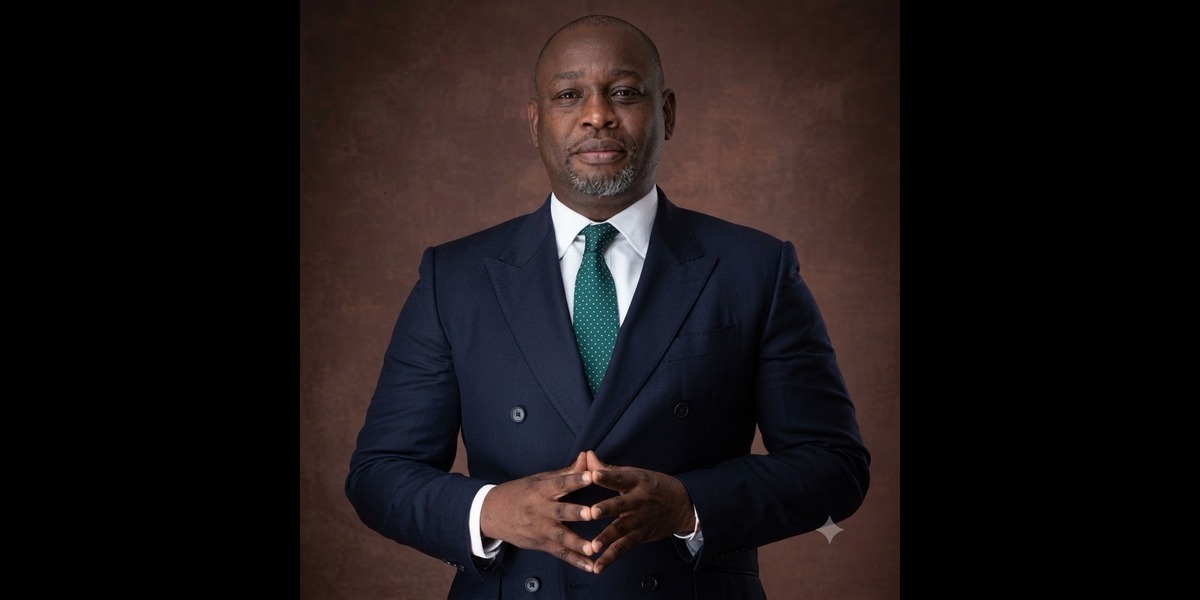
In a market balancing expensive funding with renewed demand for capital, Coronation Merchant Bank’s 2026 experience offers a view of how Nigerian investment banking is evolving.
The best measure of an investment bank is not how many deals it announces, but how effectively it connects companies that need capital with investors willing to provide it.
For Nigeria’s investment banking market, 2026 has tested that connection at scale. Commercial paper issuance has offered companies alternatives to conventional bank borrowing; debt transactions have remained central to corporate funding; and a landmark public offer for Dangote Refinery has brought an unusually large equity transaction to the Nigerian Exchange.
At Coronation Merchant Bank, the year has been marked by more than 30 investment banking mandates handled at the time of an interview with Group Head Taiwo Olatunji, who expected the number to exceed 40 by year-end. Although the transaction count was lower than in 2025, he said the volume of capital being raised was higher, reflecting a shift from regulatory-driven recapitalisation towards businesses approaching the market to meet their own financing needs.
Also Read
That distinction matters. A market driven by regulatory deadlines is different from one in which companies choose to raise capital because they see opportunities to expand, refinance or diversify their funding.
A changing market
Nigeria’s funding environment has remained complex. Domestic institutional investors — including pension fund administrators, banks and insurance companies — have played an important role in absorbing securities, while foreign portfolio investors have adjusted their participation in response to currency conditions and other market considerations.
The market’s infrastructure has also changed. Eligible equities transactions moved to a T+1 settlement cycle on 1 June 2026. In August, the Nigerian Exchange Group reported that FTSE Russell’s decision to reclassify Nigeria from Unclassified to Frontier Market status would proceed from 21 September, following further assessment of settlement arrangements. The changes are intended to improve market efficiency and accessibility, but their longer-term significance will depend on whether Nigeria converts international visibility into sustained investment flows.
Meanwhile, commercial paper has become an important part of corporates’ funding mix. Olatunji attributes the activity to companies diversifying their sources of finance and seeking alternatives to bank borrowing. For investment banks, this creates an opportunity — and an obligation — to match financing structures to the issuer’s needs and the investor’s appetite.
The economic backdrop remains uneven. The IMF’s June assessment projected growth in Nigeria but warned that many households continued to face difficult conditions. The World Bank’s October 2026 Nigeria Development Update similarly described resilient growth alongside the challenge of converting stabilisation into faster, more inclusive economic progress. Capital-market development is one part of that larger equation: the ability to mobilise funding matters most when it supports productive investment.
A landmark offer, and a broader pipeline
The headline transaction of the year for Coronation’s Investment Banking team was the N2.15 trillion Dangote Refinery and Petrochemicals public offer. The offer comprised 4.1 billion ordinary shares at N525 each and marked the first time a petroleum refinery was offered to investors through the Nigerian Exchange. It closed on 27 October 2026, although the final subscription and allotment figures are distinct from the stated offer size.
The transaction is significant not merely because of its size, but because it demonstrates the demands of bringing a major industrial asset to a broad investor base. Coronation’s wider capital-markets ecosystem has been involved in the offer, alongside its other corporate funding activities.
The rest of the year’s work has been less concentrated in one instrument. Olatunji cited capital-raising activity involving Presco, support for a syndicate in the NGIC transaction, commercial paper mandates, and transactions spanning oil and gas, equity and public-sector financing. Merger and acquisition activity, he said, had been less pronounced than in previous years, with fewer businesses needing acquisitions as a response to regulatory recapitalisation pressures.
The pattern suggests a market that is broadening, but not yet free of constraints. The presence of capital does not guarantee a successful issue; price, structure, credit quality and investor confidence still determine whether money is committed.
Where execution counts
Olatunji identifies two recurring points of failure in transactions: a failure to understand the client’s real requirements, and a structure that does not fit investors’ portfolios.
The remedies are practical rather than theatrical. Agree a clear scope of work. Hold regular meetings with the issuer. Test market appetite before finalising the instrument. For a first-time issuer, consider repayment profiles, credit ratings, financial disclosure and guarantees that may improve the instrument’s appeal. Regulatory scrutiny, particularly where securities are being offered to the public, must also be built into realistic timetables.
This is the less visible work of investment banking: not just presenting an opportunity but interrogating whether it can be financed on credible terms.
Coronation’s pitch to clients, according to Olatunji, rests on transaction experience, responsiveness, public thought leadership and the ability to draw on capabilities across the wider Group. He estimated that repeat clients accounted for around half of his client base, although he did not have a confirmed figure to hand. The estimate points to the importance of relationships in a business where a completed transaction can become the basis for the next mandate.
There are limits to what capital alone can do. Olatunji noted that the Bank’s stronger capital base after recapitalisation had not directly transformed investment banking, which he described as primarily intellectual and advisory in nature. Capital can support underwriting and participation in syndicates, but the core task remains structuring a viable deal and persuading investors of its merits.
The infrastructure test
In 2027, Olatunji expects debt transactions to remain active, with selective equity deals and greater focus on infrastructure finance. These transactions are often slower and more complex because they require detailed work on project economics, risk allocation and the reliability of future cash flows.
That is also where the next stage of Nigeria’s capital-market development could be tested. Moving from conventional corporate issuance to infrastructure funding requires more than investor appetite: it calls for bankable projects, credible structures and sustained coordination between public authorities, sponsors and financiers.
Coronation Merchant Bank is labelled Africa’s premier investment banking institution. In a competitive market, language alone cannot confer that status. It must be earned through repeat mandates, rigorous execution, and the ability to finance transactions that expand the choices available to businesses and investors.
The 2026 record shows activity and exposure to landmark deals. The bigger test will be whether that experience can become a durable franchise, one that helps more African businesses access capital and gives investors greater confidence in the opportunities ahead