Follow Us on Google Discover
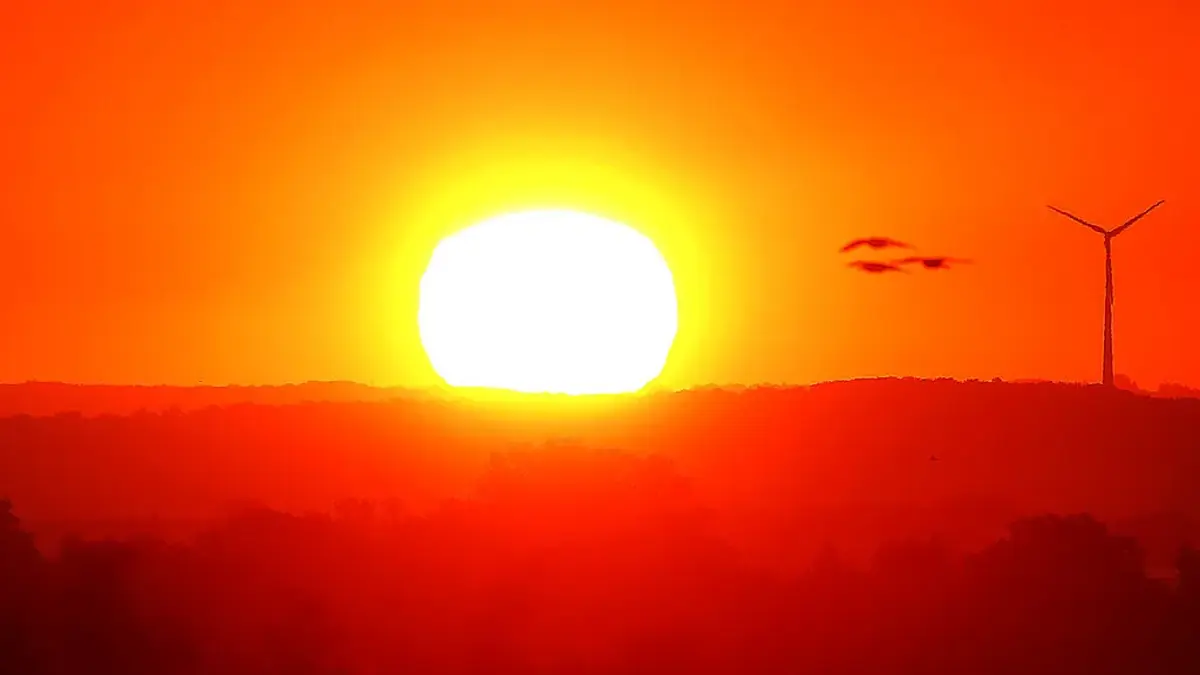
Nigeria is expected to experience increased heat discomfort in November as temperatures rise and rainfall declines across much of the country.
This is according to the Nigerian Meteorological Agency’s (NiMet) November 2026 Weather Outlook, which projects maximum temperatures of up to 37.7°C and minimum temperatures ranging from 14.6°C to 25.8°C across the country.
The agency warned that the combination of high temperatures and humidity could make conditions particularly uncomfortable in parts of the North-Central and Southern regions, even as coastal communities continue to receive some rainfall.
NiMet forecasts 37.7°C temperatures in November
NiMet projected maximum temperatures of between 28.6°C and 37.7°C across the country in November, while minimum temperatures are expected to range from 14.6°C to 25.8°C.
Also Read
The agency also forecast rainfall amounts of between 2.2mm and 217.7mm, with coastal areas likely to record higher rainfall despite the general decline in precipitation.
- “Maximum temperatures of 28.6°C to 37.7°C” are expected across the country during the month, reflecting warmer conditions as the dry season sets in.
The combination of high temperatures and humidity could increase thermal discomfort, particularly across the North-Central and Southern regions.
- Coastal communities are expected to continue receiving rainfall, even as most parts of the country experience reduced precipitation.
The outlook points to a gradual shift towards drier and warmer conditions, although rainfall is expected to persist in some parts of the country.
Farmers, residents get November weather advisory
For the agricultural sector, NiMet advised farmers to take advantage of the prevailing dry conditions for harvesting, drying and storage of produce.
- It also urged dry-season farmers to make adequate irrigation arrangements as rainfall reduces.
- Residents were advised to stay hydrated and avoid prolonged exposure to direct sunlight.
- The agency recommended maintaining good ventilation to reduce the effects of rising temperatures.
It also called for continued malaria vigilance, particularly across Southern Nigeria, alongside proper environmental sanitation.
The precautions are intended to help farmers and residents manage the changing weather conditions as the country moves further into the dry season.
WMO warns of possible 2027 temperature record
NiMet’s November outlook comes amid broader concerns about rising global temperatures and the increasing frequency of extreme weather conditions.
- The World Meteorological Organisation (WMO), a specialised United Nations agency responsible for weather, climate and water-related issues, recently warned that 2027 could become another record-breaking year for global temperatures as a developing El Niño phenomenon intensifies.
- In its State of the Climate Update 2026, released on Monday, November 9, the organisation projected that the developing El Niño could become the strongest on record by December, with its warming effects likely to be felt most strongly in 2027.
- The WMO said 2026 would rank among the four warmest years on record, with the global average surface temperature between January and September reaching approximately 1.47°C above pre-industrial levels.
The organisation explained that El Niño typically increases annual global average temperatures by between 0.1°C and 0.2°C, with its greatest influence often felt in the year after it develops.
WMO Secretary-General Celeste Saulo warned that the developing phenomenon could contribute to another global temperature record in 2027, adding to the warming already driven by greenhouse gas emissions.