Follow Us on Google Discover
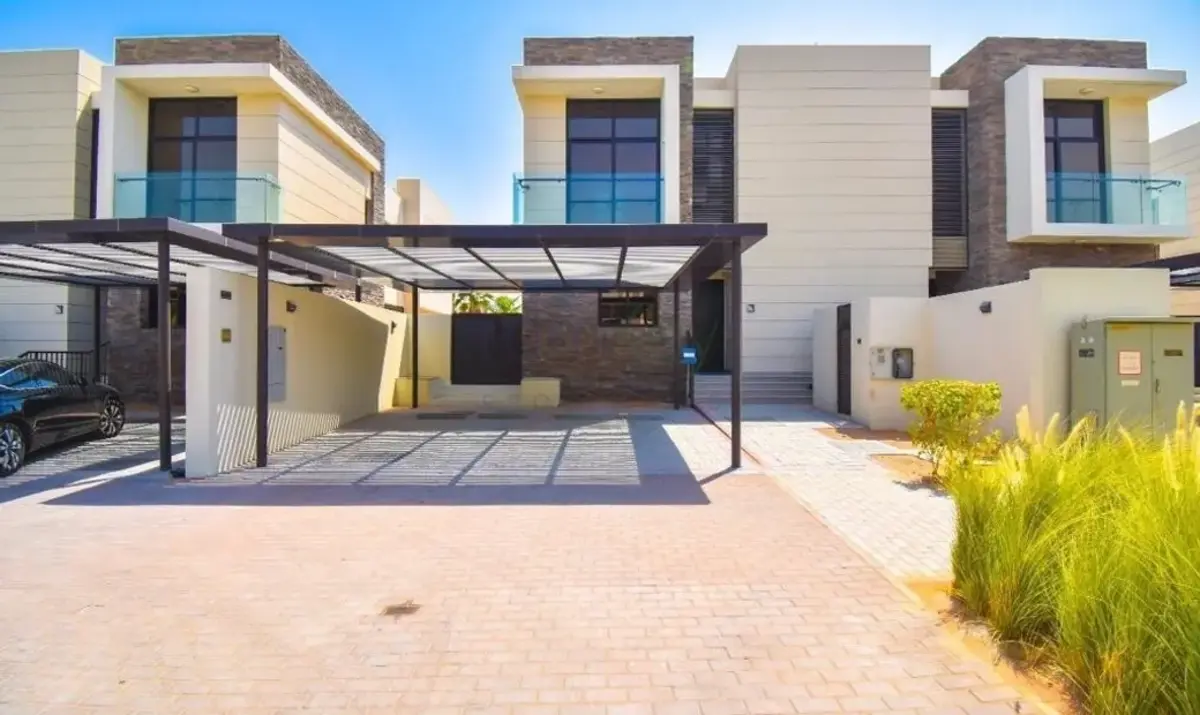
Property developers in Lagos continue to favour selling completed homes over retaining them as rental properties, despite strong demand for rented accommodation, according to Fortren & Company.
A report by the real estate research firm attributes this preference to high financing costs, rising construction expenses and the need to recover investments quickly.
The findings highlight a mismatch in Lagos’ housing market, where a substantial housing deficit and a high proportion of renters have not been enough to make build-to-rent developments the preferred investment model for many developers.
Why Lagos developers prefer home sales
The preference for selling homes reflects the financial pressures developers face when deciding whether to sell properties after construction or retain them to generate rental income over several years. The report puts Lagos’ housing deficit at 3.3 million units, despite the continued preference for selling completed properties rather than retaining them as long-term rental assets.
Also Read
- “With Lagos facing a housing deficit of 3.3 million units, rental demand remains significant, yet many developers continue to prioritise selling completed properties over retaining them as long-term rental assets,” the report read in part.
- High borrowing costs are a major factor influencing these decisions. The Central Bank of Nigeria’s Monetary Policy Rate rose from 11.5% in 2022 to 26.5% in 2024 before easing to 23.5%. Commercial lending rates also increased from 11.5% in 2021 to 18.5% in 2025, before moderating to 17.86% in 2026.
- These costs make it harder for developers to hold properties for years while waiting for rental income to recover their initial investment.
- According to the report, recovering the cost of a rental development could take eight to 15 years, while lenders and investors may expect repayment within 12 to 36 months after project completion.
Selling completed homes allows developers to recover their capital sooner and redeploy the proceeds into other projects rather than wait years for rental income to accumulate.
Rising costs squeeze rental returns
Rising land and construction costs add to the pressure on developers, increasing the amount of capital required to deliver residential properties and the rental income needed to generate viable returns.
The report’s average land price estimates for 2022 to 2026 put the cost per square metre at N2.8 million in Ikoyi, N2.63 million on Victoria Island, N1.25 million in Lekki Phase 1, N950,000 in Ikeja and N500,000 in Yaba.
Building materials have also become significantly more expensive.
- The price of a 50kg bag of cement rose from N3,500 in 2021 to N13,550 in 2026, an increase of about 287%.
- Sharp sand increased from N3,000 to N15,000 per tonne over the same period.
- Three-quarter-inch granite rose from N8,000 to N30,000 per tonne.
Retaining completed properties also exposes developers to recurring expenses and operational risks, including vacancies, rent collection, repairs, security, water, electricity and the maintenance of facilities such as lifts.
Off-plan sales provide another financing advantage, as deposits and staged payments received before completion can help fund construction and reduce dependence on external borrowing. By contrast, build-to-rent developments do not generate the same upfront proceeds from selling individual units.
Low incomes deepen Lagos housing crisis
While developers face pressure to recover their investments quickly, many Lagos residents struggle to raise enough money to buy homes. The report estimates that only about 31% of Lagos residents own their homes, indicating that renting remains the main housing arrangement for much of the population.
Affordability constraints extend beyond property prices, with household incomes and access to mortgage finance also limiting homeownership.
- The PiggyVest Savings Report 2025, published in March 2026, found that 28% of surveyed Nigerians had no income, while 30% earned below N100,000 monthly. These figures are national rather than Lagos-specific.
- A Level 1 civil servant earning approximately N970,000 annually would need to save 30% of their income for 289 years to purchase a two-bedroom flat in Sangotedo and 659 years to buy one in Gbagada, assuming property prices remain unchanged, according to the report.
- Nigeria’s mortgage debt-to-GDP ratio stood at 0.50% in 2026, compared with 1.57% in Kenya and 41% in South Africa, reflecting the limited role of mortgage lending in financing housing in Nigeria.
The result is a market in which many households cannot afford to buy homes, while developers face high costs and financing pressures that encourage them to sell completed properties or target buyers with greater purchasing power.
Why cheaper land does not mean affordable homes
In an earlier report, Nairametrics examined why cheaper land on the outskirts of Lagos and Abuja does not necessarily translate into affordable housing.
Michael Onyeachor, co-founder of Besitz Group Limited, explained that developers who acquire land in emerging areas must still fund essential infrastructure before properties become suitable for occupation.
- Developers must finance roads, drainage, electricity, water and other essential infrastructure.
- These additional expenses can offset the initial savings from buying cheaper land.
- High development costs make luxury and upper-middle-income housing more commercially attractive to private developers, as higher-value properties can offer more room to recover their investments.
These findings complement the current report’s analysis of why developers favour selling completed properties over retaining them for rental income.