Follow Us on Google Discover
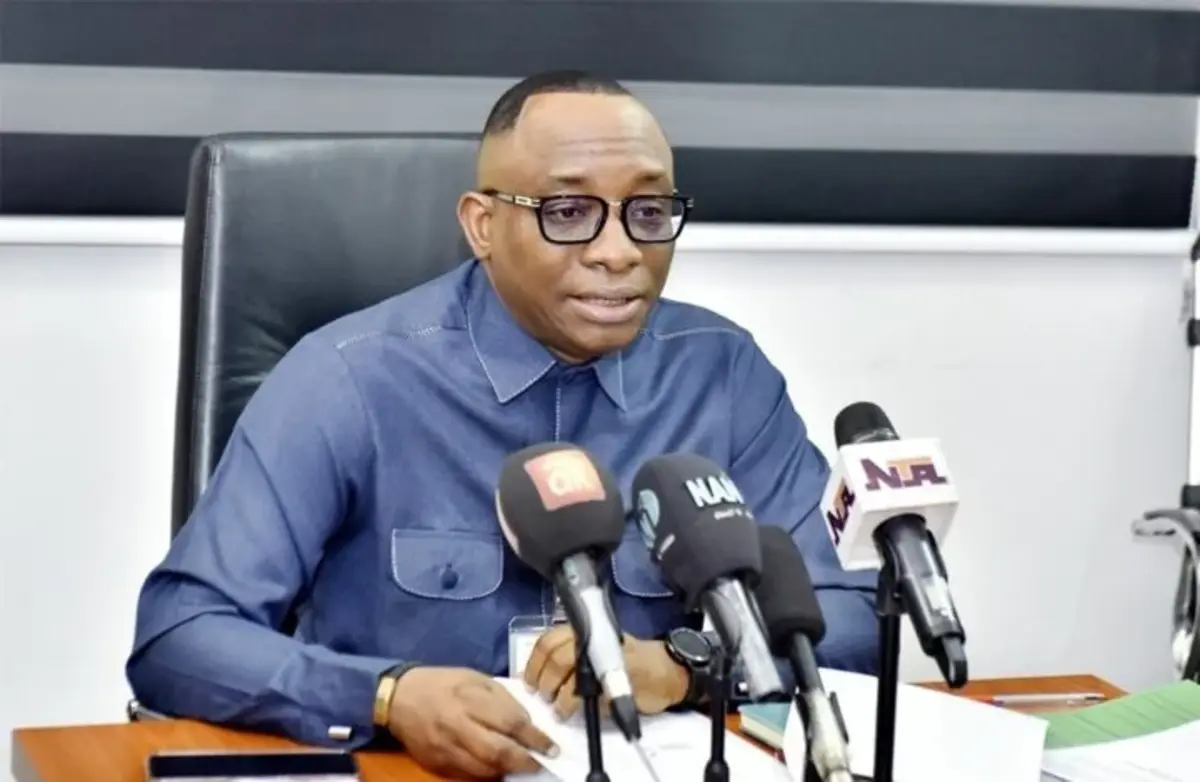
The Bureau of Public Procurement (BPP) has launched a free digital training portal to help micro, small and medium enterprises (MSMEs) improve their capacity to compete for government contracts in Nigeria.
The portal, unveiled in Abuja on Tuesday by the BPP Director-General, Dr Adebowale Adedokun, is designed to address knowledge gaps, technical limitations and difficulties understanding bidding requirements that prevent small businesses from participating effectively in public procurement.
The initiative provides interactive learning modules, quizzes, practical examples and a certificate of completion to guide businesses through the government procurement process, from identifying contract opportunities and preparing bids to contract delivery and performance management.
According to the BPP, the platform is accessible through computers, tablets and smartphones and has been optimised for users with limited internet bandwidth.
Also Read
Portal targets barriers to government contracts
Speaking at the launch, Adedokun said the initiative represented another step in the Federal Government’s efforts to strengthen procurement capacity and expand opportunities for Nigerian businesses.
- “This includes identifying contract opportunities and preparing bids to contract delivery and performance management,” he said.
- He said the portal would provide practical learning resources tailored to Nigeria’s procurement environment, helping MSMEs understand the requirements for participating in government contracting.
Adedokun noted that MSMEs accounted for approximately 96% of businesses in Nigeria and contributed about 50% of the country’s gross domestic product (GDP).
Despite their contribution to the economy, he said many small businesses continued to face barriers to securing public contracts, including inadequate knowledge of procurement procedures, limited technical capacity and difficulties interpreting bidding requirements.
The training programme is intended to help businesses overcome these challenges and improve their readiness to compete for procurement opportunities.
BPP reviews procurement barriers for small businesses
Adedokun said the bureau was also reviewing existing barriers to MSME participation in public procurement following President Bola Tinubu’s approval for the establishment of community-based procurement and affirmative procurement initiatives.
He said the review was aimed at creating a more inclusive and accessible procurement environment for small businesses across the country.
- The director-general added that the training programme placed particular emphasis on women-owned and women-led businesses, youth entrepreneurs, persons with disabilities and veterans, who often face additional barriers to accessing public procurement markets.
- He expressed optimism that the initiative would reduce information gaps, strengthen business competitiveness and promote professionalism among MSMEs seeking government contracts.
- However, Adedokun clarified that completing the training would not guarantee the award of a government contract, noting that procurement remained subject to competition, transparency, accountability and value-for-money requirements.
- He urged MSMEs nationwide to take advantage of the free training and encouraged business owners, entrepreneurs, professional associations, trade groups and private-sector institutions to promote awareness of the portal.
The training programme was developed with support from the World Bank under the Sustainable Procurement, Environmental and Social Standards Enhancement Project (SPESSE).
BPP expands access to public contracts
The launch of the procurement training portal comes amid wider efforts to expand small businesses’ access to government contracts and strengthen the role of local enterprises in public spending.
- In May 2025, Nairametrics reported that the Federal Government had directed ministries, departments and agencies to prioritise Nigerian-made goods and services where local alternatives exist. The Nigeria First policy is intended to strengthen local industries and reduce dependence on imported products.
- Also in May 2025, Nairametrics reported that President Bola Tinubu had overhauled public procurement thresholds, including raising the threshold for Federal Executive Council approval to N5 billion for goods and services and N10 billion for works. The reforms also require ministries, departments and agencies to publish monthly procurement reports and prioritise local goods and contractors.
In May 2025, Nairametrics reported that the BPP, in partnership with the World Bank under the SPESSE project, had launched the Nigeria Procurement Certification Portal. The platform provides training, assessment and certification for procurement professionals, complementing the bureau’s wider efforts to strengthen procurement capacity.