Follow Us on Google Discover
An estimated 80% to 90% of Nollywood films proceed into production without adequate script development, as limited access to patient capital continues to affect storytelling quality and production standards in Nigeria’s film industry.
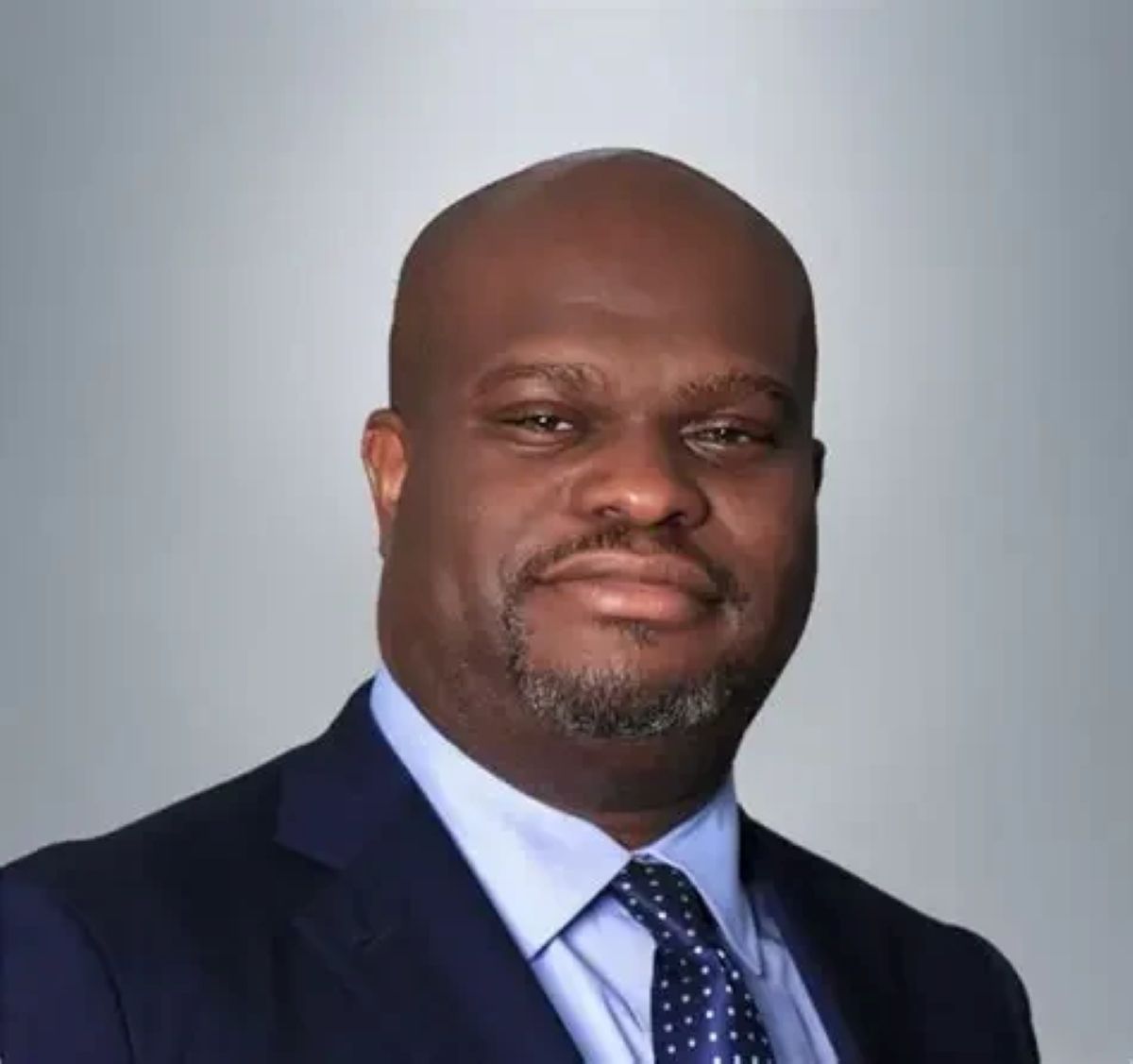
Adekunle Adebiyi, Executive Director, Investments at MBO Capital Management Limited, disclosed this during an interview on Nairametrics’ Drinks and Mics, where he discussed the financing challenges confronting Nollywood and the investment opportunities within Nigeria’s creative economy.
According to Adebiyi, Nigeria produces approximately 2,500 films annually, but a significant proportion of these productions move directly from the first draft of a screenplay into filming.
He attributed the trend to the industry’s heavy dependence on debt financing, which typically supports production and post-production expenses rather than the earlier stages of creative development.
Also Read
Nollywood films lack proper script development
Adebiyi explained that most financing arrangements available to Nigerian filmmakers are structured around production activities, leaving limited resources for the creative development process.
He said MBO Capital’s investments in film projects have largely involved debt financing for production, post-production and, in some cases, marketing.
- “The bigger issue is this: based on our estimates, anywhere between 80% and 90% of Nollywood films are shot using the first draft of the script.
- “A lot of times, when you watch these films, you can tell that more time could have been spent on character development, really tugging at your emotions and making you identify with certain characters.
- “And why is that? Because script development is a pure equity cost.”
He noted that script development requires equity investment because filmmakers cannot guarantee when, or whether, the money invested in developing a screenplay will be recovered.
- “Script development, all that stuff, is a pure equity cost. You cannot do that with debt,” he said.
Citing Call of My Life, which he described as the highest-grossing Nigerian film of the year, Adebiyi disclosed that the firm financed the film’s international marketing rather than its production.
He argued that greater access to patient equity capital would allow filmmakers to spend more time developing compelling stories and characters before production begins.
- “Until we have more patient capital that can allow us for someone to say, you know what, develop this character a bit more, I don’t think we’re going to get to that point whereby our stories really…” he said.
Nollywood’s distribution challenges discourage investment
Beyond production financing, Adebiyi identified the absence of predictable distribution and revenue recovery structures as another major challenge facing film investors.
He explained that investors often struggle to establish how and when they will recover their capital, particularly when film producers depend on streaming platforms to acquire their productions.
According to him, the limited number of cinemas in Nigeria further restricts the industry’s revenue-generating opportunities.
- “A lot of people are trying to sell it to Prime, sell it to Netflix. So first of all, if Prime don’t open and Netflix don’t want it, I don’t get paid. And then we don’t have enough cinemas,” he said.
He noted that MBO Capital uses an assessment framework containing approximately 10 to 12 criteria to evaluate film investment proposals.
Despite these challenges, Adebiyi said investor interest in Nollywood remains significant, with the firm receiving at least one film financing proposal daily.
- “Right now at MBO Capital, we get at least one film pitch a day from Nigeria,” he said.
Nollywood needs patient equity capital
Nollywood remains one of the world’s most prolific film industries by production volume, but access to structured financing remains a major constraint for filmmakers.
- In an earlier report by Nairametrics in 2025, MBO Capital had invested over $6million in 35 Nollywood film and television projects since 2017.
- Similarly, filmmaker Pere Egbi spent approximately N200 million producing The Silent Intruder, which generated N53 million at the box office, highlighting the financial risks associated with film production and the challenges of recovering investments through cinema distribution.
According to an earlier interview with Nairametrics, filmmaker Nora Awolowo called for greater domestic investment in Nollywood, arguing that the industry’s long-term sustainability depends on developing its own financing and production infrastructure.