Follow Us on Google Discover
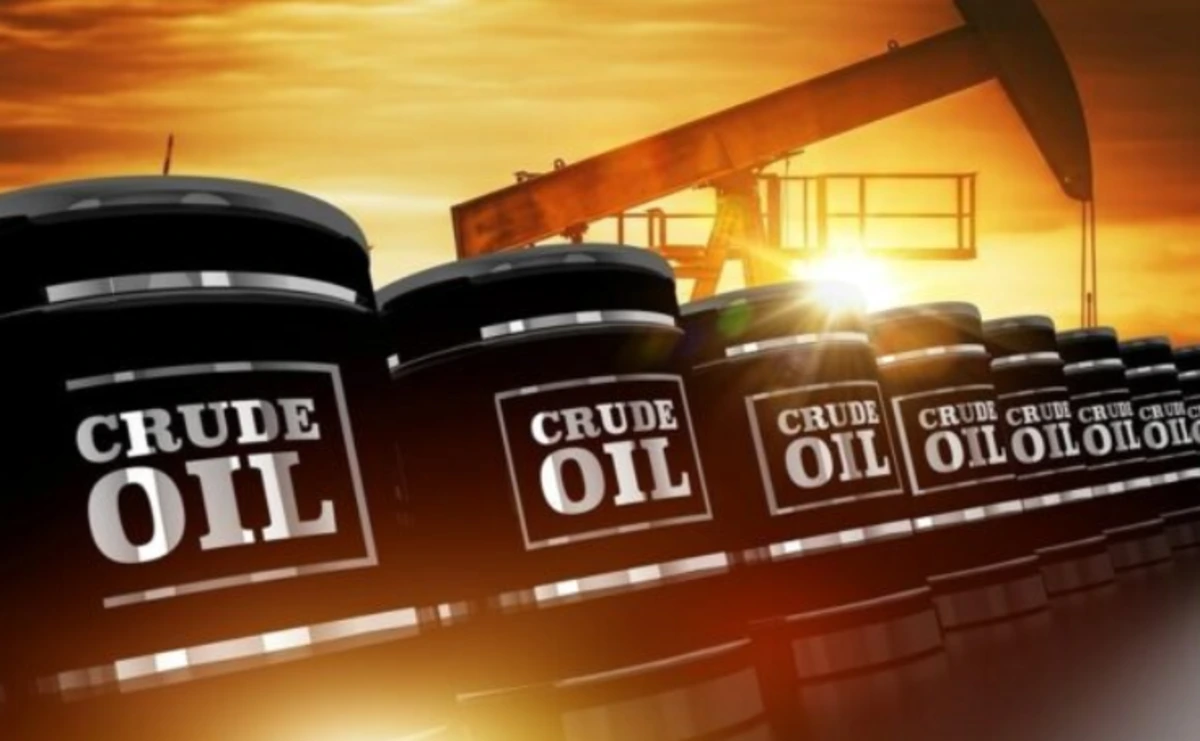
The International Energy Agency (IEA) has warned that global energy markets may not return to conditions recorded before the Iran war in 2027, as the conflict continues to disrupt oil and gas supplies and drive up energy prices worldwide.
The agency’s Executive Director, Fatih Birol, disclosed this on Monday, October 26, 2026, while speaking at the Singapore International Energy Week conference, where he raised concerns about the prolonged impact of the conflict, which began in late February.
Birol also projected a resurgence in nuclear energy investment, revealing that an IEA survey identified 90 gigawatts of nuclear power capacity currently under construction globally, the highest level recorded in four decades.
IEA warns of prolonged energy crisis
Global oil prices have risen sharply since the outbreak of the Iran war, with renewed Houthi attacks in Saudi Arabia pushing Brent crude futures to $117 per barrel on Friday, their highest level in nearly six months.
Also Read
Although prices moderated on Monday, Brent crude remained approximately 59% above its pre-war level, reflecting sustained supply disruptions and pressure on global energy markets.
- “I am afraid I don’t see any credible pathway that the markets will go next year, where we were before this war has started,” Birol said.
The IEA chief warned that governments and businesses must prepare for prolonged market uncertainty by making energy security a central priority while also considering the future direction of their energy systems.
- “So therefore, we all need to get prepared, taking the energy security as a number one priority in our government, business world, but without forgetting what is the next chapter for the countries and for companies that are all here today,” he added.
Nigeria’s energy inflation reaches 10.85%
The sustained increase in global oil prices is placing pressure on several economies, particularly countries dependent on imported petroleum products, as higher energy costs widen trade deficits and increase import expenditure.
- In Nigeria, energy inflation more than doubled to 10.85% in September 2026, compared with 4.69% in August, reflecting intensifying domestic energy price pressures.
- According to the National Bureau of Statistics (NBS), the annual energy inflation rate increased by 6.16 percentage points between August and September, representing a 131.34% rise.
- Nigeria’s headline inflation moderated to 14.63% in September from 15.39% in August, despite the sharp increase in energy inflation.
The divergence between energy inflation and broader consumer price movements highlights the pressure from rising energy costs, even as the overall inflation rate eased.
Governments introduce measures to ease prices
Governments and major energy-consuming economies have introduced measures to increase petroleum supplies and ease price pressures following disruptions caused by the Iran war.
On October 22, a tanker carrying 40,000 metric tonnes of Russian diesel was loaded at the Baltic port of Primorsk for shipment to New York under an agreement between Russia and the United States.
- The agreement followed Russia’s decision to lift its self-imposed diesel export ban on October 9, allowing additional shipments to international markets as part of efforts to ease supply shortages.
- Earlier, on October 2, the Group of Seven (G7) countries agreed to release 100 million barrels of crude oil and diesel from emergency reserves over four months, including accelerated diesel releases during the first 20 days.
- In Nigeria, the Federal Government announced a 30-day petrol discount through Nigerian National Petroleum Company (NNPC) Limited retail outlets, prioritising commercial transport operators.
- Under the arrangement, NNPC agreed to waive its retail profit margin and sell petrol at cost, while the government began negotiating a N1,350-per-litre ceiling on the landing or ex-gantry cost of petrol to limit price volatility.
The measures are intended to ease supply shortages and reduce the impact of rising fuel prices on households, businesses and economies facing increasing energy costs.