Follow Us on Google Discover
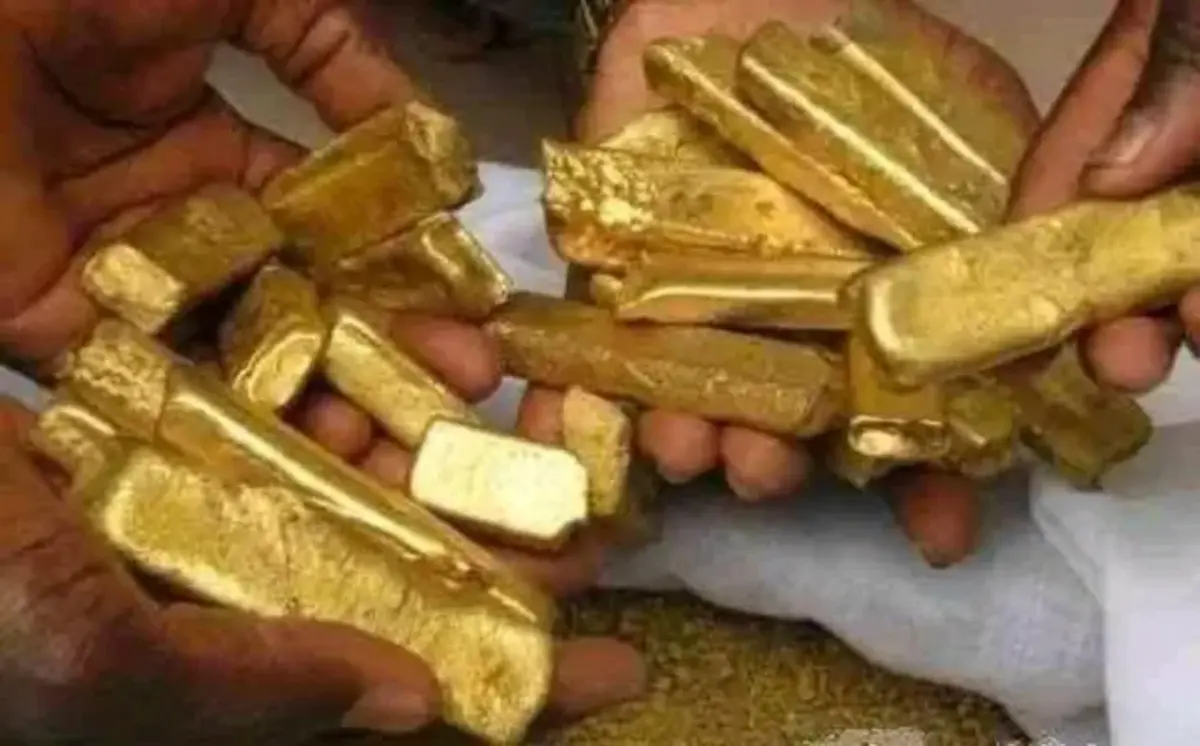
Nigerian gold sank to N172K per gram as global investors seek US Treasuries.
The yellow metal fell below $ 4,000 an ounce, its lowest in more than three months amid a seller’s strike in the global metal market and a large market rout.
Gold fell as much as 1% to below $ 3, 990 an ounce, the lowest since mid-July, after losing almost 3% on Thursday.
It later pared some losses.
The opportunity cost of holding non-yielding bullion (gold) rises as global investors shift their focus to U.S. Treasury yields. The strong yield performance of US government securities siphons off institutional funds from gold, placing downward pressure on spot gold prices globally.
The US dollar tends to go up as yields rise on US debt, and investors flock into the greenback. When this happens, gold becomes expensive to buy in other currencies outside the US and so demand falls organically.
In addition, market contagion followed US equities’ extended declines, and Treasuries were mostly steady as investors rotated from artificial intelligence stocks into haven Treasuries on Friday, a day after stocks roared higher on the latest US jobs report.
AI investment, a key engine of US growth, is facing sustainability reckoning among investors. Metal traders are cutting back on wagers for a further rate hike, with the odds of a quarter-point hike at next week’s Federal Reserve meeting now less than 10%.
Consequently, attacks by Houthi forces targeting vital infrastructure –such as the Red Sea port of Yanbu, the Shaybah oil field, or transport centers in the region – are increasing risks to supply continuity from Saudi Arabia.
These disruptions, combined with a broader set of risks associated with the ongoing regional conflict, lifted Brent crude to more than $113 a barrel (a weekly gain of around 3%).
Soaring crude prices ignite inflation concerns as markets price in higher terminal rates or deferment of central banks’ rate cut plans. Higher yields on fixed income investments increase the opportunity cost of not holding yield-less bullion.
Gold selling from large-scale tech-stock and/or market decline can come from forced liquidations of liquid assets like gold from portfolios.
Nigerian gold prices in naira are mostly driven by exchange rate moves and spot US dollar gold benchmarks. Currency moves or changes in short-term interest rate outlooks (rising rates due to hawkish monetary policy or rising bond yields) can strengthen the US dollar and diminish gold’s appeal as a non- yielding asset.
Nigeria’s gold is mostly sourced by artisanal miners in its major producing belts located in the states of Zamfara, Kebbi, Niger, Osun and Kogi. CBN is more aggressive in stockpiling refined gold hoards from within Nigeria to diversify its foreign reserves and stabilize its national currency.
Shopping for investment bullion (bars & coins) continues unabated alongside your usual jewelry- buying patterns, especially around traditional cultural and festival seasons.
Though inflation and FX hedging are usually positive for gold over the long term, sudden market crashes tend to trigger a short- term flight from gold and other commodities into cash