Follow Us on Google Discover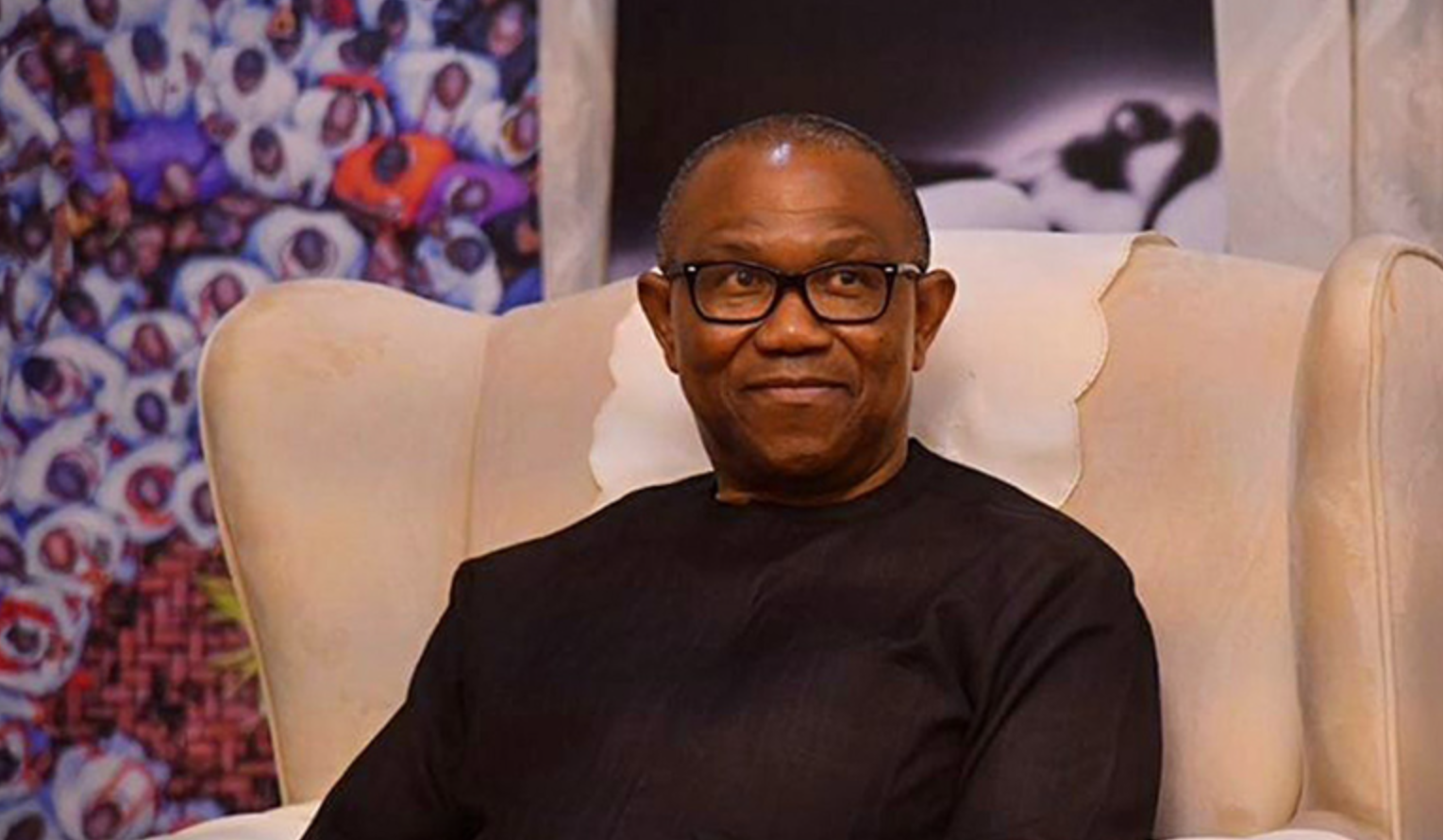
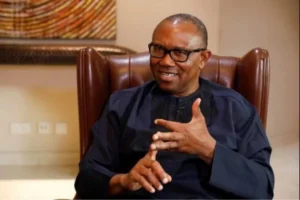
Former Anambra State Governor and the presidential candidate of the Nigeria Democratic Congress (NDC), Peter Obi, has said that the World Bank’s assessment of Nigeria’s improving macroeconomic performance does not reflect the economic realities facing millions of Nigerians, particularly the persistent challenges of poverty, unemployment and declining living standards.
Obi made the remarks on Monday, October 12, 2026, in a statement titled Celebrating Microeconomic Stability Amidst Increasing Poverty, published on his official X account.
His criticism follows the World Bank’s upward revision of Nigeria’s economic growth outlook, with gross domestic product (GDP) projected to expand by 4.3% in 2026, compared with 4.0% in 2025, before reaching 4.4% annually in 2027 and 2028.
Peter Obi questions economic stability
Obi argued that Nigeria’s economic progress should be judged by improvements in household welfare, particularly reductions in poverty and inequality, alongside the availability of employment opportunities for young people.
Also Read
He maintained that recent gains in macroeconomic indicators had yet to produce meaningful improvements in Nigerians’ living conditions.
- “So-called ‘economic stability’ has not resulted in higher living standards, improved employment opportunities, and reduction of poverty and inequality across Nigeria,” Obi stated.
The former presidential candidate further questioned the government’s emphasis on rising revenue, stronger foreign reserves and economic growth, arguing that these indicators mean little without improvements in access to essential services.
- “An economy is not truly stabilized simply because government revenue increases, foreign reserves strengthen, or GDP grows. Stability exists when citizens can afford food, obtain healthcare, provide education for their children, and live with dignity,” he added.
Obi urged the Federal Government to prioritise policies that deliver measurable improvements in citizens’ welfare rather than relying on favourable economic statistics to assess the success of its reforms.
World Bank projects 4.3% GDP growth
In its October 2026 Africa Economic Update, the World Bank attributed Nigeria’s stronger medium-term growth prospects to improving economic conditions, renewed investor confidence and an expected recovery in private-sector investment.
- The improved outlook formed part of a broader upward revision of economic growth projections across Sub-Saharan Africa.
- The Bank increased its 2026 growth forecast for the region by 0.3 percentage points to 4.3%, compared with an estimated 4.1% expansion in 2025.
- The revision reflects stronger economic performance across several countries, including Nigeria, Angola, Ethiopia and Zambia.
However, the institution cautioned that the region’s economic expansion remains inadequate to significantly reduce extreme poverty or generate sufficient employment for its growing workforce.
World Bank targets $5.79 billion financing
Beyond its economic forecasts, the World Bank Group has outlined several financing initiatives aimed at stimulating private investment, creating jobs and improving livelihoods in Nigeria.
- In an October 11 feature titled Unlocking $5.79 Billion in Private Financing, the institution disclosed that it was supporting efforts to attract up to $5.79 billion in private capital during its 2026 fiscal year.
- Under its Financial Inclusion for Nigeria (FINCLUDE) programme, the Bank expects to attract approximately $1.89 billion in private financing to support more than 250,000 micro, small and medium-sized enterprises (MSMEs).
- The programme, backed by a $500 million financing package from the World Bank’s lending institutions, is projected to support approximately 850,000 direct and indirect jobs.
Similarly, in March 2026, the World Bank approved a $500 million credit for the Nigeria Sustainable Agricultural Value-Chains for Growth (AGROW) Project.