Follow Us on Google Discover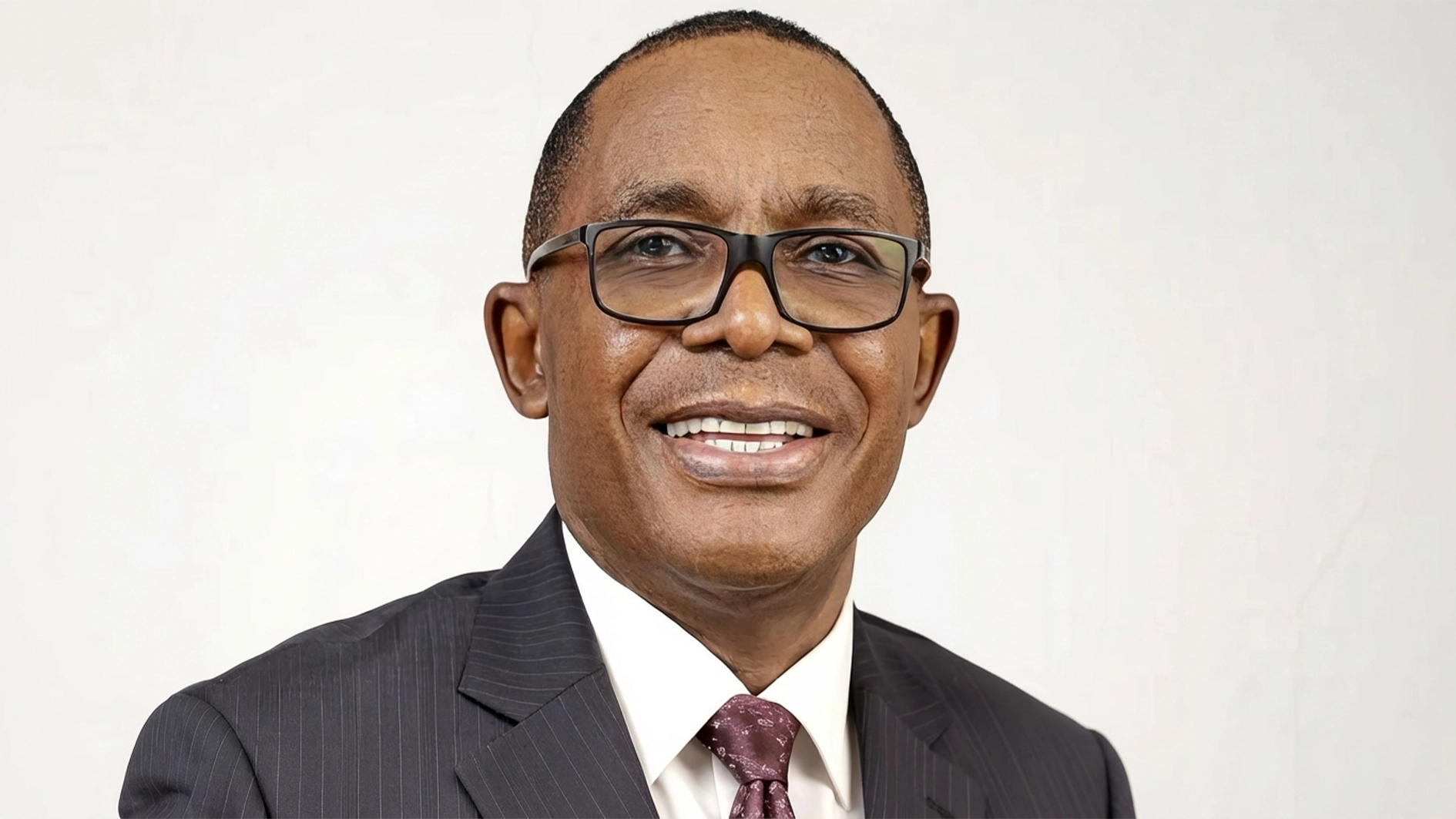
The Nigeria Deposit Insurance Corporation (NDIC) has warned Nigerians against investing in unregulated financial schemes, assuring depositors of faster claims processing and expanded insurance coverage.
The Managing Director and Chief Executive of NDIC, Thompson Oludare Sunday, gave the warning on Wednesday, September 30, 2026, during the corporation’s special day at the 21st Abuja International Trade Fair.
He urged Nigerians to keep their money in licensed financial institutions, warning that unrealistic investment returns offered by unlicensed fund managers could expose investors to significant financial losses.
NDIC warns against unregulated investments
Sunday said the proliferation and collapse of Ponzi schemes had repeatedly demonstrated the financial and emotional consequences of entrusting savings to unregulated operators. He cautioned Nigerians against falling for investment offers that promise unusually high returns without adequate verification.
- “If an investment promise sounds too good to be true, Nigerians should pause, ask questions and verify before committing their money,” he said.
He warned that investing through unlicensed fund managers could leave Nigerians exposed to devastating financial losses.
He also encouraged individuals and businesses to improve their financial literacy and adopt digital financial services responsibly.
The NDIC chief said the corporation was strengthening depositor protection through expanded insurance coverage, technology-driven reimbursement and improved oversight of insured financial institutions.
He disclosed that the enhanced deposit insurance coverage introduced in 2024 provides full protection for more than 98% of depositors across insured institutions.
NDIC deploys technology for faster claims
The corporation has introduced technology-driven processes to reduce delays in reimbursing depositors of failed banks and improve its supervision of insured financial institutions.
- Sunday said the NDIC had moved away from cumbersome manual reimbursement processes by deploying Bank Verification Numbers (BVN), the Single Customer View framework and Nigeria Inter-Bank Settlement System (NIBSS) infrastructure.
- According to him, verified depositors of failed banks now receive their insured deposits within days of closure.
- The corporation has also strengthened its risk-minimisation framework through risk-based supervision, an enhanced differential premium assessment system and a Bank Liquidation Management System.
In addition, Sunday announced that the NDIC launched an upgraded website on September 19, 2026, featuring automated claims-processing tools, a directory of insured institutions and an artificial intelligence-powered virtual assistant.
He urged depositors to ensure their account information is accurate and consistently linked to their BVNs to facilitate faster claims processing.
NDIC expands deposit insurance coverage
Under the revised insurance limits, depositors in Deposit Money Banks (DMBs) and Mobile Money Operators (MMOs) are insured up to N5 million per depositor.
Customers of Microfinance Banks (MFBs), Primary Mortgage Banks (PMBs) and Payment Service Banks (PSBs) have coverage of up to N2 million.
The enhanced limits expand the financial safety net available to households, small businesses and other depositors in the event of financial institution failure.
- For customers whose balances exceed the insured limits, the NDIC pays additional liquidation dividends from recoveries made through debt collection and the disposal of failed institutions’ assets.
- The importance of these arrangements was demonstrated by the collapse of Heritage Bank in June 2024.
- Nairametrics previously reported that the NDIC paid 82.36% of the bank’s insured deposits during the initial reimbursement exercise, achieving the milestone four days after the bank’s closure through BVN-enabled payments.
The NDIC has consistently warned that funds placed with unlicensed investment operators are not covered by deposit insurance. Its latest intervention reinforces the importance of using regulated financial institutions and verifying investment opportunities before committing funds.