Follow Us on Google Discover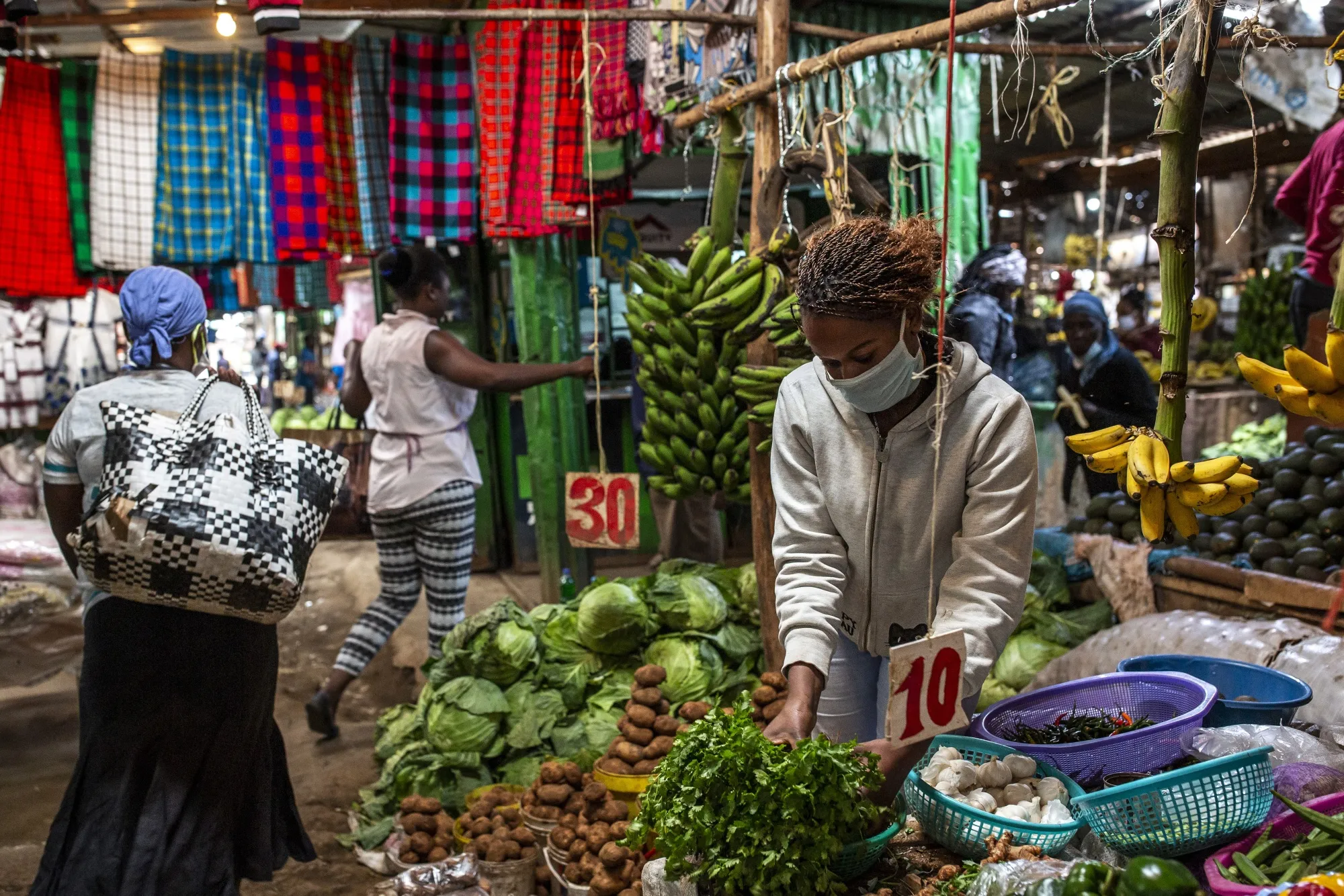
Kenya’s annual inflation rate rose to 6.8% in September 2026, its highest level in a year, driven mainly by increases in the prices of food, transport, housing, electricity, gas and other fuels.
This compares with an annual inflation rate of 6.6% recorded in August 2026.
The Kenya National Bureau of Statistics (KNBS) disclosed this in a statement signed by its Director General, Macdonald G. Obudho on Wednesday.
The September inflation rate means the general price level was 6.8% higher than in September 2025.
Food and Non-Alcoholic Beverages, Transport, and Housing, Water, Electricity, Gas and Other Fuels were the main contributors, with the three divisions accounting for more than 57% of the total weight across the 13 major expenditure categories.
Food and transport drive inflation
Food and non-alcoholic beverages recorded inflation of 9.5% in September, while the transport index increased 15.6%. Housing, water, electricity, gas and other fuels rose 3.2% over the same period.
- Food and non-alcoholic beverages account for about one-third of Kenya’s inflation basket and continued to face pressure from factors including drought, the Iran war, the expected El Niño weather pattern and disruptions in the Black Sea region.
- Transport prices increased 15.6% despite authorities leaving gasoline prices unchanged during the mid-month review.
- Core inflation, which the Central Bank of Kenya uses to assess underlying price pressures, rose to 4% from 3.4% in August.
September marked the sixth consecutive month in which inflation remained above the 5% midpoint of the central bank’s target range.
Governor Kamau Thugge expects inflation to remain within the central bank’s 2.5%-7.5% target range in the near term.
Selected food prices rise in September
The latest data also showed mixed movements in food prices between August and September, with some staples recording increases while others became cheaper.
- White wheat flour increased by 4.5%, while fresh unpacketed cow milk and fresh cream rose 5.8%.
- Fresh packeted cow milk recorded a 6.0% increase during the month.
- Tomato prices declined by 4.1%, while loose maize flour fell by 1.9%.
- Sugar prices also declined, easing by 0.4% between August and September.
The month-on-month movements indicate that price pressures were uneven across food items, even as the overall annual food inflation rate remained elevated.
Transport costs show mixed movement
Transport prices also recorded contrasting movements between August and September, with domestic fares declining while international air travel became more expensive.
“Between September 2026 and August 2026, transport fares declined while air travel costs rose sharply,” KNBS said.
- Country bus/matatu fares for intertown travel fell by 1.0%.
- City bus/matatu fares within towns and their environs declined by 0.3%.
- International flight costs increased by 8.1% over the same period.
Meanwhile, in Nigeria, headline inflation eased marginally to 15.39% in August 2026 from 15.43% in July, extending the country’s disinflation trend for a third consecutive month.