Follow Us on Google Discover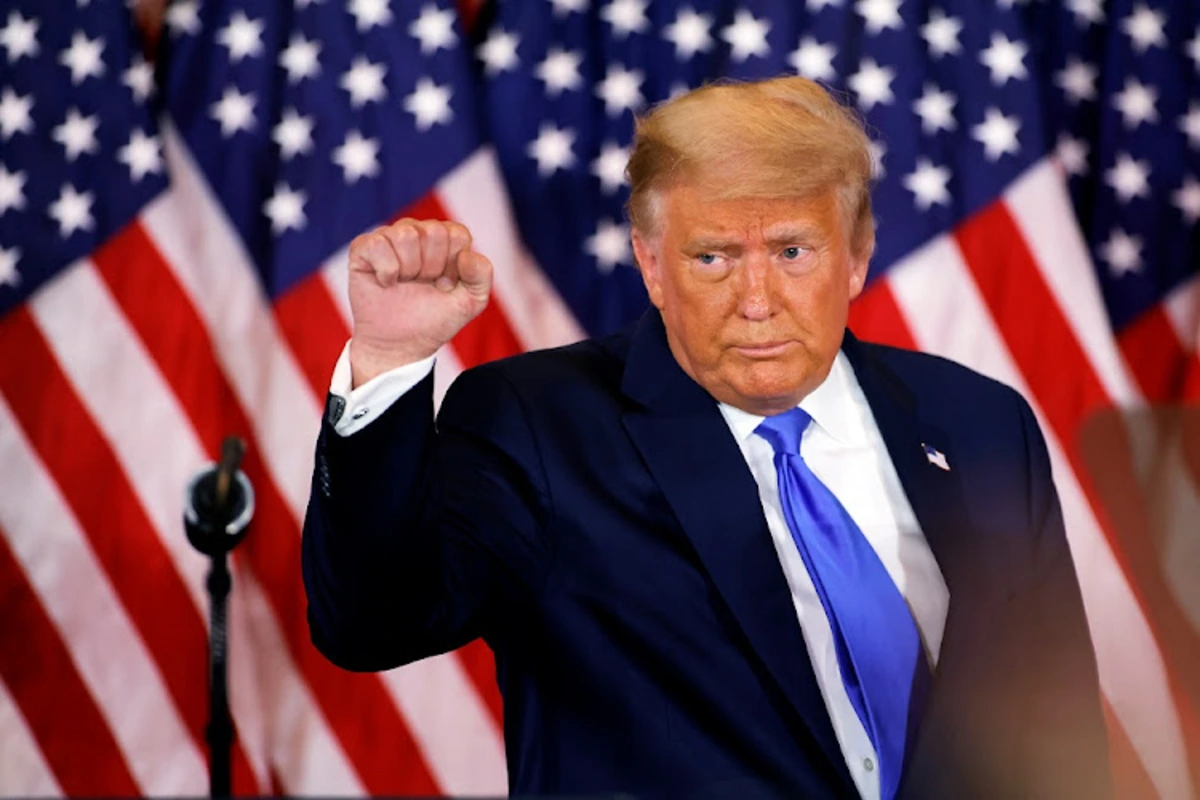
US President Donald Trump has rejected an offer from Iran to reopen the Strait of Hormuz as Washington intensifies economic pressure on Tehran, including measures targeting banks and airlines.
Trump disclosed this on Saturday, September 26, while speaking to reporters as he departed the White House, saying Iran had proposed a deal that would lead to the immediate reopening of the strategic waterway.
The development comes as the US continues its campaign to restrict Iran’s access to international financial and aviation networks, with Treasury Secretary Scott Bessent saying the pressure is beginning to produce results.
Trump rejects Iran hormuz proposal
Trump said Iran had proposed an arrangement that would allow the Strait of Hormuz to reopen, amid continued tensions in the region and fresh attacks by Yemen’s Houthis on Saudi Arabia.
Also Read
The US president said he rejected the proposal because, in his assessment, Iran was seeking the agreement under mounting economic and military pressure.
- “They made a proposal but I rejected it,” Trump said. “They want to make a deal where they open the strait immediately because they’re losing so badly.”
The Strait of Hormuz remains a major focus of the conflict because of its importance to global energy and shipping flows. Iran’s proposal reportedly envisaged reopening the waterway within seven days under conditions involving reduced US military and economic pressure.
Bessent, in a post on X on Saturday, said the Trump administration’s Operation Economic Outcast had expanded efforts to restrict Iran’s access to international finance and aviation services.
- “Türkiye and Oman announced the cessation of Mahan Air flights to their countries. The UAE has halted all flights by Iranian airlines, and top commercial banks in the UAE and Türkiye have stopped transacting with Iran.”
He added that the US would continue working with the United Kingdom, Türkiye, Oman and the United Arab Emirates to increase the economic pressure on Tehran, adding that more action was needed to counter what he described as Iran’s “terrorist agenda.”
US escalates economic pressure
The latest development follows an escalation of US economic measures against Iran announced in August. On August 20, Trump announced what he described as ‘economic warfare’ against Iran, warning countries, businesses and financial institutions that continue providing economic support to Tehran that they could face consequences from Washington.
- Trump specifically called for an end to activities including oil smuggling, financial swap arrangements, cash transfers, exchange-house transactions, ship registrations and the use of front companies to support Iran’s economy.
The announcement formed part of a broader US effort to economically isolate Iran and restrict the channels through which Tehran generates, moves and receives international funds. Treasury subsequently launched Operation Economic Outcast, which the department described as an intensified campaign against Iran and entities supporting its economy.
Oil surge raises Nigeria fuel risks
The continued confrontation over the Strait of Hormuz is also putting pressure on global oil prices as traders assess the risk of disruptions to crude and petroleum product shipments.
- Nairametrics reported on Thursday that Brent crude rose by more than 3% to a session high above $106 per barrel, while West Texas Intermediate traded around $94 per barrel.
The rise followed renewed concerns about the security of energy and shipping routes amid the conflict, with the wider Indian Ocean region also important to global trade because large volumes of containerised cargo and energy shipments move through its shipping routes. Any prolonged disruption around Hormuz could therefore increase transportation costs and add a risk premium to crude prices.
- For Nigeria, a sustained increase in international crude prices could translate into higher petrol costs, particularly because domestic fuel pricing remains exposed to movements in crude and refined-product prices.
Recent industry data already showed this relationship. As crude prices moved above $100 per barrel, petrol prices in Nigeria rose to around N1,400-N1,450 per litre in several markets, while estimated petrol import-parity costs also increased.