Follow Us on Google Discover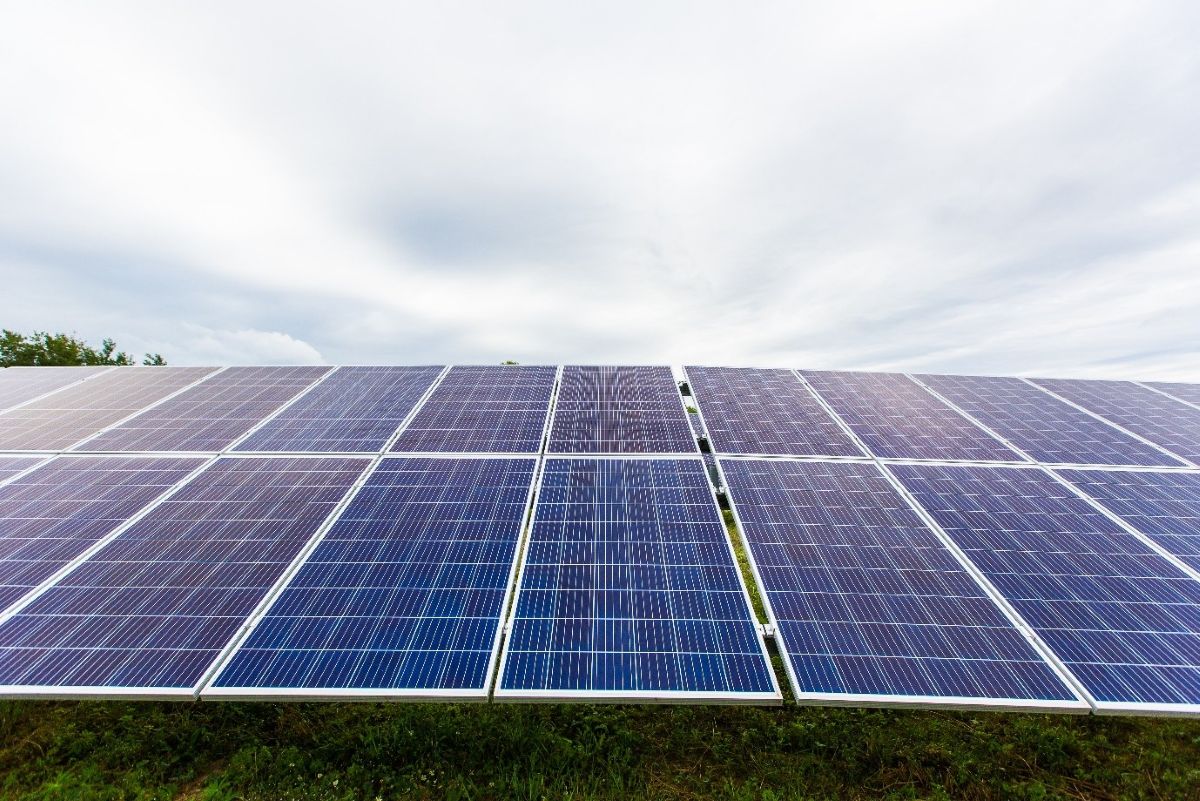
- Nigerian clean energy company, Solad Power Group has installed more than 1,800 solar home systems across five states this year, with a further 4,000+ systems earmarked for deployment.
Solad is accelerating access to Solar Home Systems across underserved communities in Nigeria as the country enters a new phase in the growth of distributed renewable energy.
Solad has already deployed more than 1,800 Solar Home Systems across five Nigerian states, with a further 4,000+ earmarked for roll-out. The programme expands the Company’s distributed energy footprint and supports Nigeria’s ambition to widen reliable electricity access. The programme forms part of Solad’s broader strategy of delivering decentralised energy at multiple levels; from individual homes and micro-enterprises through to market-scale mini-grids and commercial and industrial solar installations.
Solad’s Solar Home Systems programme is being implemented within the rapidly expanding ecosystem created by the Rural Electrification Agency and the World Bank-supported Distributed Access through Renewable Energy Scale-Up (“DARES“) programme.
DARES represents one of Africa’s most ambitious programmes of its kind and is designed to accelerate renewable electricity access through both solar-hybrid mini-grids and standalone solar systems.
For Solad, the significance of the programme extends beyond the number of systems installed: each connection can support real economic activity. Solar electricity allows a small retailer to remain open longer, a tailor to operate electrical equipment without relying on a petrol generator, a household to power lighting and communications, and a micro-enterprise to redirect money previously spent on fuel towards growing the business.
Also Read
Yewande Olagbende, Chief Executive of Solad’s Nigerian businesses, said: “Nigeria’s energy-access challenge cannot be solved by a single technology or a single type of infrastructure. We need solutions at every level; from large power infrastructure to mini-grids and individual solar systems.
“Solar Home Systems are particularly important because they can be deployed quickly and directly into communities where conventional grid expansion may take many years to arrive.
“For Solad, this is fundamentally about economic empowerment. When reliable electricity reaches a home or small business, the impact goes far beyond keeping the lights on. It creates additional working hours, reduces dependence on expensive generators and gives entrepreneurs a more reliable foundation on which to build their businesses.”
Solad’s latest deployment builds on a long-standing involvement in Nigeria’s distributed energy sector. The Company has developed and operated energy infrastructure serving businesses and communities across Nigeria and has previously participated in programmes administered by the Rural Electrification Agency under the Nigeria Electrification Project. Solad’s portfolio today spans Solar Home Systems, mini-grids, commercial and industrial solar, battery storage and decentralised energy infrastructure. The Company’s experience demonstrates the increasingly vital role indigenous private-sector developers can play in translating national energy-access policy and development finance into operating infrastructure on the ground.
From Energy Access to Economic Opportunity
Beyond expanding access to electricity, Solad presents its Solar Home Systems programme as a platform for local enterprise growth, job creation and long-term customer support.
Nigeria’s renewable energy market is entering a period of significant expansion, with large-scale programmes supported by the Federal Government, Rural Electrification Agency, World Bank Group and other development finance institutions combining public-sector support with private-sector execution and capital.
That combination is helping shift the sector from individual renewable energy projects towards a more scalable distributed energy industry.
Solad believes that three elements will be critical to that transition: deployment at scale, strong local operating capability, and reliable long-term customer support. This is why the Company’s investment extends beyond equipment.
Solad is building teams of technicians, sales and customer-support personnel capable of operating across the communities in which its systems are installed. The Company recently brought together members of its DARES technical and customer-service teams for dedicated training focused on aftersales service and maintenance of deployed Solar Home Systems.
Constantine ‘Labi Ogunbiyi, Chairman and Co-Founder of Solad Power Group, said: “Africa’s energy transition will ultimately be judged by what gets built and by the economic activity that infrastructure enables.
“The opportunity presented by programmes such as DARES is to combine public policy, development capital and private-sector execution to build a genuinely scalable decentralised energy market.
“Solad has been working in this market for several years. Our focus now is execution; deploying more systems, expanding our operating footprint and demonstrating that African renewable energy businesses can build commercially sustainable platforms while delivering meaningful social and economic impact.”
Of Solad’s rollout, Head of the Nigeria Electrification Programme (NEP) at the Rural Electrification Agency (REA), Femi Akinyelure said: “The DARES programme is designed to significantly expand access to reliable and sustainable electricity by creating the conditions for distributed renewable energy solutions to be deployed at scale. A central part of this approach is enabling capable private-sector providers to extend standalone solar and minigrid solutions to underserved households, businesses and communities across Nigeria.
“Through DARES, we are building on the experience and lessons of the Nigeria Electrification Project to move from individual interventions towards a larger, more sustainable market for distributed renewable energy. Our focus is not only on the number of connections delivered, but on ensuring that expanded electricity access supports livelihoods, productive economic activity and improved quality of life for Nigerians.”
A Broader Distributed Energy Platform
Solar Home Systems form one component of Solad’s wider clean energy strategy. The group is developing and operating solutions across the energy spectrum, ranging from household and MSME systems to market-scale renewable energy infrastructure and commercial and industrial installations.
Solad has deployed approximately 6.2 MW of clean and renewable energy capacity, and its operational footprint includes projects serving businesses and communities as well as commercial and industrial customers.
The Company sees significant opportunity in connecting these different segments into a broader distributed energy platform capable of providing reliable power wherever conventional electricity supply remains inadequate.
Building on its existing Solar Home System rollout, Solad intends to continue expanding that platform while investing in the people, technology and operating infrastructure required to support customers over the long term.
Olagbende added: “The next stage of Nigeria’s renewable energy story is about scale. We have demonstrated that the technology works. We now need to demonstrate that we can build the distribution, financing, technical and customer-service infrastructure required to reach millions more people.
“That is the opportunity Solad is positioning itself to address.”
About Solad Power Group
Founded in 2017, Solad Power Group is a decentralised energy solutions provider delivering clean and reliable energy solutions to commercial and industrial customers, micro, small and medium-sized enterprises, public-sector institutions and communities.
Solad’s solutions include Solar Home Systems, mini-grids, commercial and industrial solar, battery storage, power monitoring, operations and maintenance. The Group’s objective is to build scalable, commercially sustainable energy infrastructure that supports economic development and expands access to reliable power across Africa.