Follow Us on Google Discover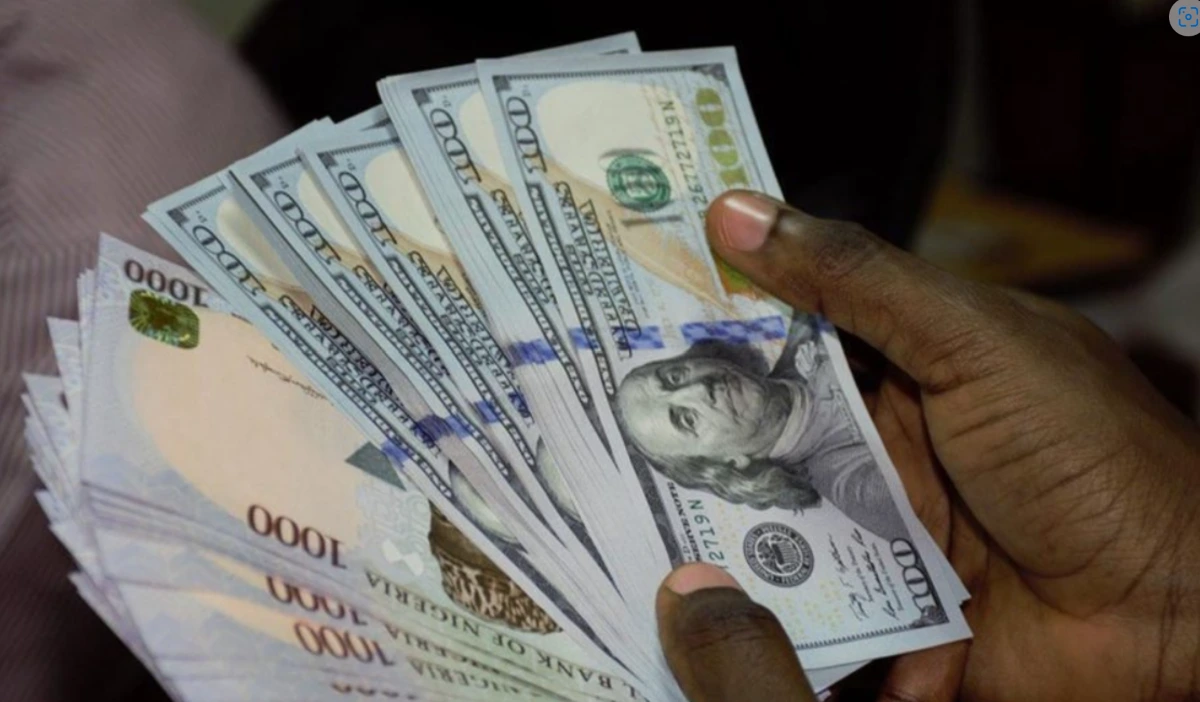
The recent 25-basis-point rate increase and hawkish forward guidance issued by the U.S. Federal Reserve have exerted upward pressure on the US dollar, thereby limiting near-term bullish sentiment in the Nigerian Naira.
The Federal Reserve raised the key interest rate by 25 basis points (0.25%) to a range of 3.75%-4.00%, initiating a tightening cycle with the first hike since 2023—ending a prolonged hiatus or easing bias.
The monetary decision was made unanimously, with a 12-0 vote under Fed Chair Kevin Warsh, despite pressure from the White House to reduce rates prior to the November elections.
The question arises: why? The persistent US inflation rate, running stubbornly high or above 2%, has been accelerated by rising energy and oil prices alongside robust economic activity, including increased job gains (from 60% to 60%), as the economy continues to advance.
Also Read
The US Central Bank signaled a sustained “higher for longer‘ stance, indicating a bias toward continued tightening due to the economy and employment remaining overly robust, coupled with persistent inflation.
Higher-for-longer U.S. interest rates are attracting foreign portfolio capital back into dollar-denominated assets, thereby diminishing speculative bullish positions on the Nigerian naira
This is supported amid strong fundamentals in the Nigerian economy, such as reduced inflation and foreign exchange rate appreciation (notably, in the interbank market, the dollar is trading around N1,330/$ NGN), as well as increased demand for the American dollar
The hawkish stance of the U.S. Federal Reserve highlighted by recent rate hikes projected up to 2026 and persistent inflation poses a global headwind on capital flows, directly counteracting the short-term upward trend of the Nigerian Naira.
Moreover, higher yields on U.S. Treasury securities have widened the risk-adjusted return differential, attracting Foreign Portfolio Investments (FPIs) to relatively less risky U.S. Treasuries at the expense of frontier markets like Nigeria.
This leads to a reduction in local currency appreciation momentum, as hot-money portfolio flows are curtailed, which are vital for maintaining local liquidity.
The Central Bank of Nigeria (CBN) efforts to tighten liquidity through massive Open Market Operations (OMO) bill auctions approaching N3 trillion are threatened by an aggressive global liquidity squeeze. Consequently, interbank transaction volumes have surged, reflecting increased demand and supply pressures for USD foreign exchange.
The US Dollar Index (DXY), which measures the dollar against a basket of major currencies, experienced a mild pullback after reaching its highest level since late July earlier this Thursday. Nonetheless, it remains above the 100-points level heading into the European trading session.
However, the USD bulls paused when Fed Chair Kevin Warsh indicated that there is no need to fear inflation. The previous escalation of tensions in the fixed-income market, mitigated by Warsh’s comments, led to a slight correction in U.S. bond yields and prompted profit-taking among dollar bulls.
The Fed’s hawkish stance and the escalation of the conflict in the Middle East are likely to act as tailwinds for the dollar, limiting declines in the DXY with the dot plot projecting additional hikes later this year amidst inflationary concerns driven by oil prices; this sets the stage for MORE tightening, which is generally constructive for the greenback.
Meanwhile, reports indicate that Iran-supported Houthi fighters conducted over 450 air raids in Yemen during the week.
U.S. President Donald Trump has expressed the country’s commitment to reaching an agreement with Iran, suggesting a potential de-escalation of hostilities; however, escalating violence between Houthi forces and Saudi Arabia continues to elevate geopolitical risk premiums, thereby supporting the bullish outlook on the DXY.