Follow Us on Google Discover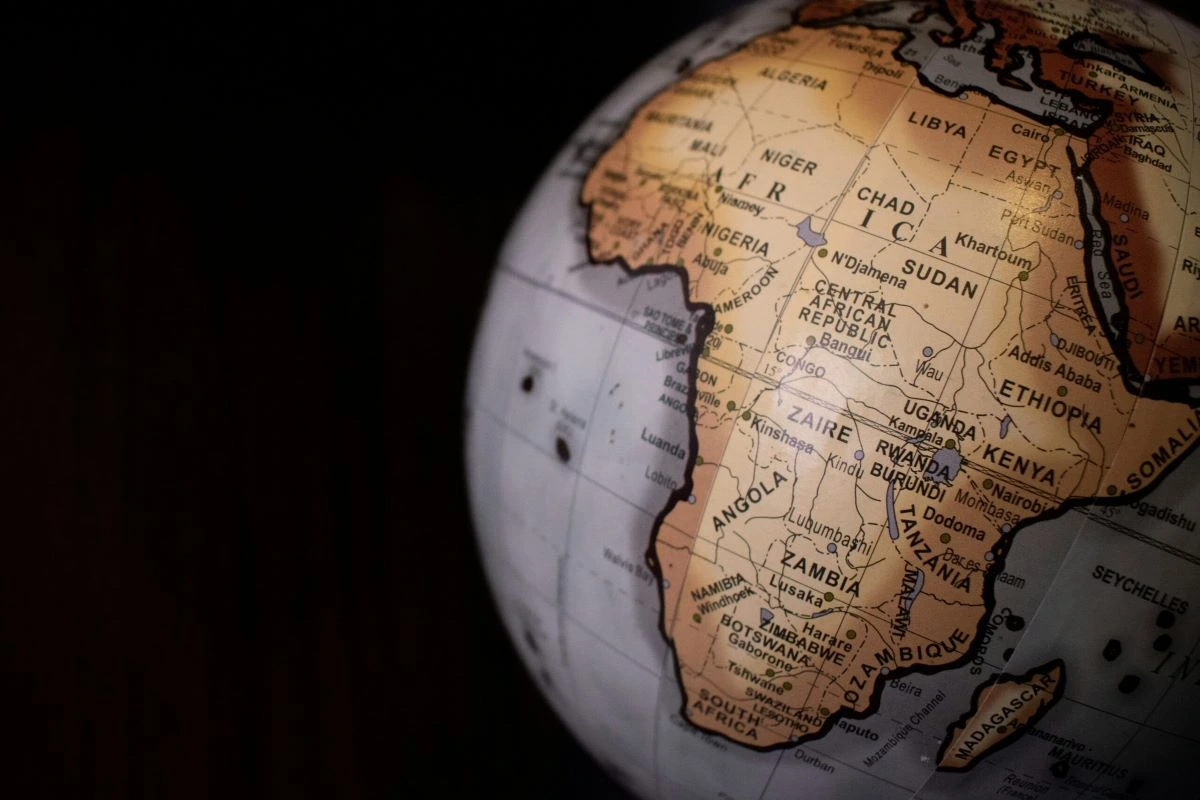
Sub-Saharan Africa has closed 68.8% of its overall gender gap, but at the current pace, the region is projected to take another 102 years to achieve full gender parity.
This is according to the World Economic Forum’s (WEF) Global Gender Gap Report 2026.
The region ranks sixth globally and continues to record wide differences among economies. Namibia has closed 84.5% of its gender gap, ranking fourth globally, while Chad has closed 57.8%, placing it among the lowest-ranked economies.
Since 2006, Sub-Saharan Africa’s overall gender parity score has improved by 6.0 percentage points, with Economic Participation and Opportunity recording the largest gains.
Also Read
What the report is saying
Economic Participation and Opportunity has improved by 8.0 percentage points since 2006. The increase was supported by a 28.7 percentage-point rise in the representation of women among legislators, senior officials and managers.
- Labour-force participation has increased by 18.7 percentage points, while estimated earned income parity has improved by 16.4 percentage points.
- Political Empowerment has also recorded a 6.0 percentage-point improvement, largely due to an 11.6 percentage-point increase in parliamentary representation.
- Educational Attainment remains the region’s weakest-performing dimension despite improvements across its indicators, with more than 10 percentage points of the gap still to close. Health and Survival, meanwhile, has remained broadly unchanged since 2006.
- The WEF said changing labour markets, technology and global cooperation are reshaping the drivers of economic opportunity. It noted that access to employment alone is no longer sufficient to guarantee economic stability or upward mobility, with productive and resilient career paths becoming increasingly important.
- LinkedIn data cited by the report shows that women’s share of the workforce increased from 39.9% in 2015 to 41.8% in June 2026, while their representation in senior leadership roles rose from 26.7% to 29.6%.
- However, women’s representation declines sharply at higher levels of seniority. In 2026, their share falls from 46% at entry level to 23% in C-suite positions.
- The report also identified continued underrepresentation in roles that commonly provide pathways to the CEO position, including chief financial officer and chief operating officer positions.
- LinkedIn data further shows that women’s hiring into the overall workforce and senior leadership has stalled since 2022, with early signs of decline suggesting that previous gains could prove difficult to sustain.
- At the global level, the WEF estimates that full gender parity will take about 120 years to achieve at the current rate of progress.
Saadia Zahidi, managing director at the WEF, said gender parity is achievable, noting that economies across income levels have recorded progress.
She said governments and employers need to identify policies that work and implement them more quickly to accelerate progress.
Get up to speed
In 2024, Nairametrics reported that global gender parity could take five generations, or 134 years, to achieve, amid the uneven recovery of economies and labour markets following the pandemic.
The 2026 report also highlights persistent gaps in specific industries and skills.
Women now account for 28.2% of the global STEM workforce. Although their participation has increased steadily since 2016, the sector records a significant decline in female representation as employees move towards senior positions, with C-suite roles particularly difficult to access.
Coursera data cited by the WEF, meanwhile, indicates that women have reached gender parity in online learning for skills including collaboration, leadership, teaching, mentoring, empathy and social influence.
What you should know
Nigeria featured prominently at the WEF in 2026 with the debut of Nigeria House Davos, the country’s first coordinated national pavilion at the forum.
Nairametrics reported that the initiative was designed to provide a platform for Nigeria to showcase its economic opportunities and engage international investors and stakeholders.
At WEF 2025, Nigeria and other African stakeholders also advocated for full implementation of the African Continental Free Trade Area (AfCFTA), with the objective of supporting the growth of Africa’s economy to $29 trillion by 2050.