Follow Us on Google Discover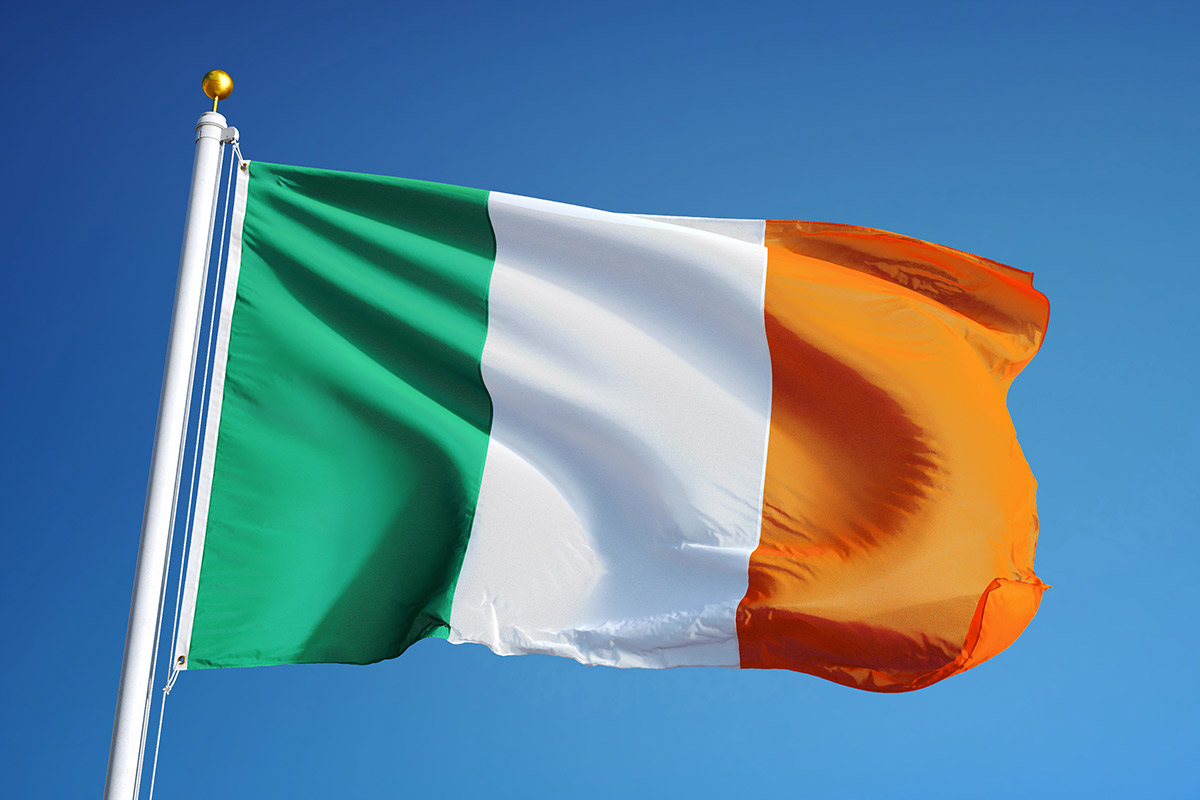
Ireland is considering tougher requirements for foreign nationals seeking citizenship, including extending the standard residence period for naturalisation from five years to eight years and introducing new language, civics and financial requirements.
The Irish government has approved priority drafting of legislation that would make the changes, but the proposals are still at an early stage and are not yet law.
The current citizenship rules therefore remain in effect, Travel Biz reported.
Under the proposed framework, most applicants for Irish citizenship through naturalisation would need to demonstrate eight years of qualifying residence in Ireland, compared with the current five-year requirement.
Also Read
What they are saying
Applicants would also be required to pass a language test in English, Irish or Irish Sign Language and complete a civics test covering Irish society, government and political institutions.
- The proposals would introduce financial self-sufficiency as another requirement. Applicants would have to demonstrate that they can support themselves financially, although financial conditions already apply to some immigration permissions in Ireland.
- The proposed changes could affect foreign nationals who are currently accumulating the residence period required to apply for citizenship. However, the government has said the existing naturalisation framework will continue to apply until any new legislation is passed and comes into force.
Ireland’s current naturalisation system generally requires applicants to have five years of reckonable residence in the country, including one continuous year immediately before applying, subject to the rules and exceptions that apply to different categories of applicants.
Get up to speed
The proposed extension would represent a substantial increase in the time many foreign nationals would need to spend in Ireland before becoming eligible for citizenship.
The move follows a separate change affecting refugees. Ireland recently increased the residence requirement for refugees seeking naturalisation from three years to five years.
Ireland has also remained a destination for international students, including Nigerians. In September 2025, Nairametrics reported that the Irish government opened applications for its 2026 International Education Scholarships, offering funding for eligible international students pursuing research-based master’s and doctoral degrees.
Earlier, in March 2023, Nairametrics reported that Irish universities were attracting international students with relatively affordable fees and a two-year post-study work opportunity. More than 30,000 international students, mostly Nigerians, were reported to be studying in Ireland in 2021.
What you should know
Ireland had recently expanded its employment permit system as it sought to address labour shortages and attract skilled foreign workers.
On June 1, 2026, Nairametrics reported that Ireland introduced 32 changes to its employment permit framework, covering sectors including construction, healthcare, transport, agri-food and specialist services. The changes included six new occupations on the Critical Skills Employment Permit list, as well as new quota-based positions under the General Employment Permit system. Ireland expands work permit system, opens new routes for foreign workers
The six occupations added to the Critical Skills list were agronomists, construction planners and schedulers, community eye care specialists, intellectual property professionals, geospatial surveyors and rigger roles in the games industry.
The expansion created additional employment routes for foreign nationals, including Nigerians, seeking to work in Ireland.
However, the proposed citizenship reforms could make the path from employment to naturalisation longer for many foreign workers.