Follow Us on Google Discover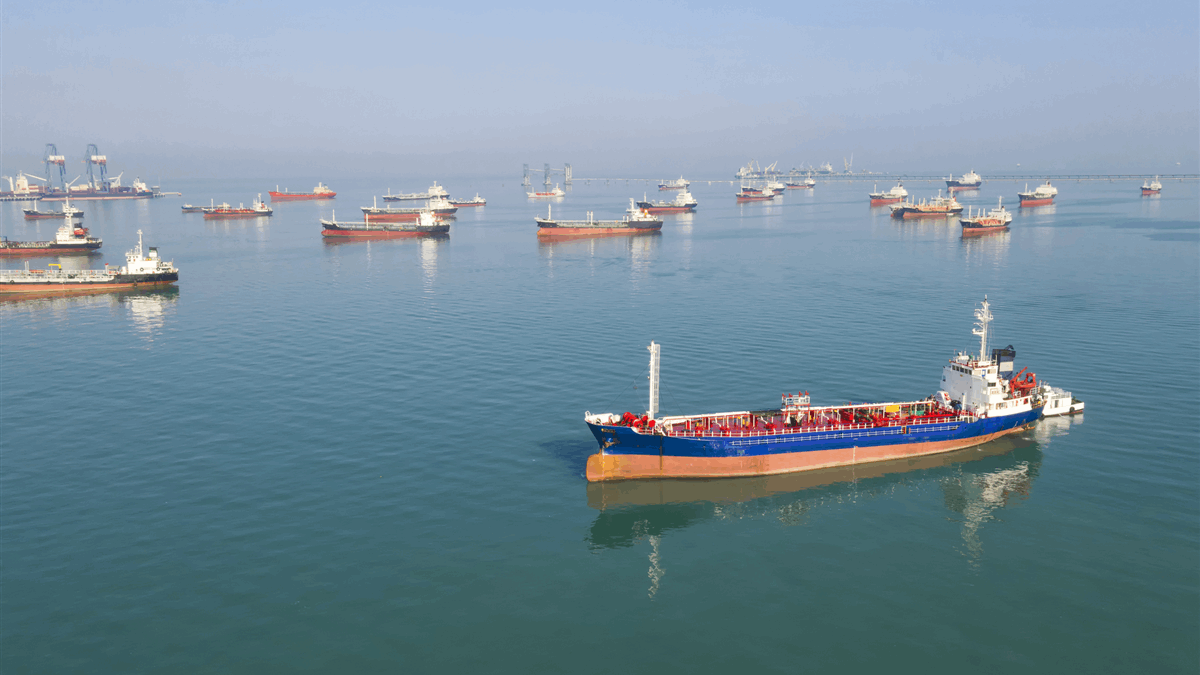
Iran has postponed a planned meeting with other Gulf powers to discuss shipping through the Strait of Hormuz, while its Persian Gulf Strait Authority has sanctioned 77 vessels for allegedly violating its protocols amid rising tensions in the region.
The developments were disclosed on Monday, September 14, as fresh attacks involving Iran, Yemen’s Houthi rebels and Saudi Arabia heightened concerns over the security of shipping through the Strait of Hormuz, a critical route for global oil supplies.
Oil prices subsequently jumped more than 2.5% amid the escalating tensions and concerns over further disruptions to crude supplies, according to checks by Nairametrics.
What they are saying
Yemen’s Houthi rebels launched a fresh attack on Saudi Arabia, describing the action as retaliation for what they said were hundreds of Saudi airstrikes on Yemen in recent days.
Also Read
- The latest attack came alongside a separate strike on Friday that Saudi Arabia attributed to Iran-backed fighters in Iraq. The attack forced the closure of a key Saudi east-west oil pipeline, adding to concerns over the security of the region’s energy infrastructure.
- Oil prices jumped more than 2.5% as the fresh attacks on Saudi Arabia and Iranian attacks on ships in the Gulf compounded concerns over global oil supplies. Brent crude is trading at about $107 per barrel, while US West Texas Intermediate (WTI) crude is trading at around $102 per barrel.
Against the backdrop of the heightened tensions, Iran’s Persian Gulf Strait Authority, which was established to manage requests for passage through the Strait of Hormuz, published an updated list of 77 vessels it said were violating Iranian protocols for the strategic waterway.
The vessels on the list face restrictions on future passage, including possible fines, detention or confiscation. The authority also warned that vessels cooperating with sanctioned ships could be added to the list.
- “Insurance companies, P&I clubs, and classification societies are warned to refrain from providing services to these vessels to avoid consequences arising from dealing with them,” the authority said in a post on X.
P&I clubs are mutual insurance associations that provide shipowners and charterers with coverage against third-party maritime liabilities.
Iran first announced its list of sanctioned vessels on August 23 and has continued to add vessels to it.
Get up to speed
Crude oil prices have continued to climb as efforts to negotiate an end to the conflict between the US and Iran have failed to produce a breakthrough, increasing concerns that the prolonged war could further disrupt oil supplies and shipping through the Strait of Hormuz.
- Global oil prices had already climbed above $100 per barrel by September 10, with Brent crude reaching $102.50 per barrel, up $1.38 from the previous day.
- At the time, US West Texas Intermediate crude was trading at $97.58 per barrel, after rising $1.51.
- The increase followed an Iranian attack on 10 ships near the Strait of Hormuz after the US sank five Iranian oil tankers, marking a major escalation in attacks on shipping since the six-month-old war began.
The latest developments suggest that concerns over the Strait of Hormuz remain a major factor driving the oil market, particularly as the waterway remains critical to the movement of crude and other energy products from the Gulf.
What you should know
The renewed escalation in the Middle East is already feeding into higher petrol prices in Nigeria, with pump prices increasing across Lagos and other major cities.
- Checks by Nairametrics show that as of Sunday, most filling stations in Lagos were dispensing petrol between N1,400 and N1,430 per litre, while MRS stations sold at N1,395 per litre.
- In Abuja, pump prices ranged between N1,400 and N1,450 per litre.
- The latest adjustment represents another increase in domestic fuel prices, which have risen sharply from around N830 per litre before the Middle East crisis earlier this year to above N1,300 per litre in many parts of the country.
With crude prices remaining above $100 per barrel and tensions around the Strait of Hormuz escalating, further disruptions to global oil supply could continue to put pressure on international crude prices and, by extension, Nigeria’s domestic petrol market.