Follow Us on Google Discover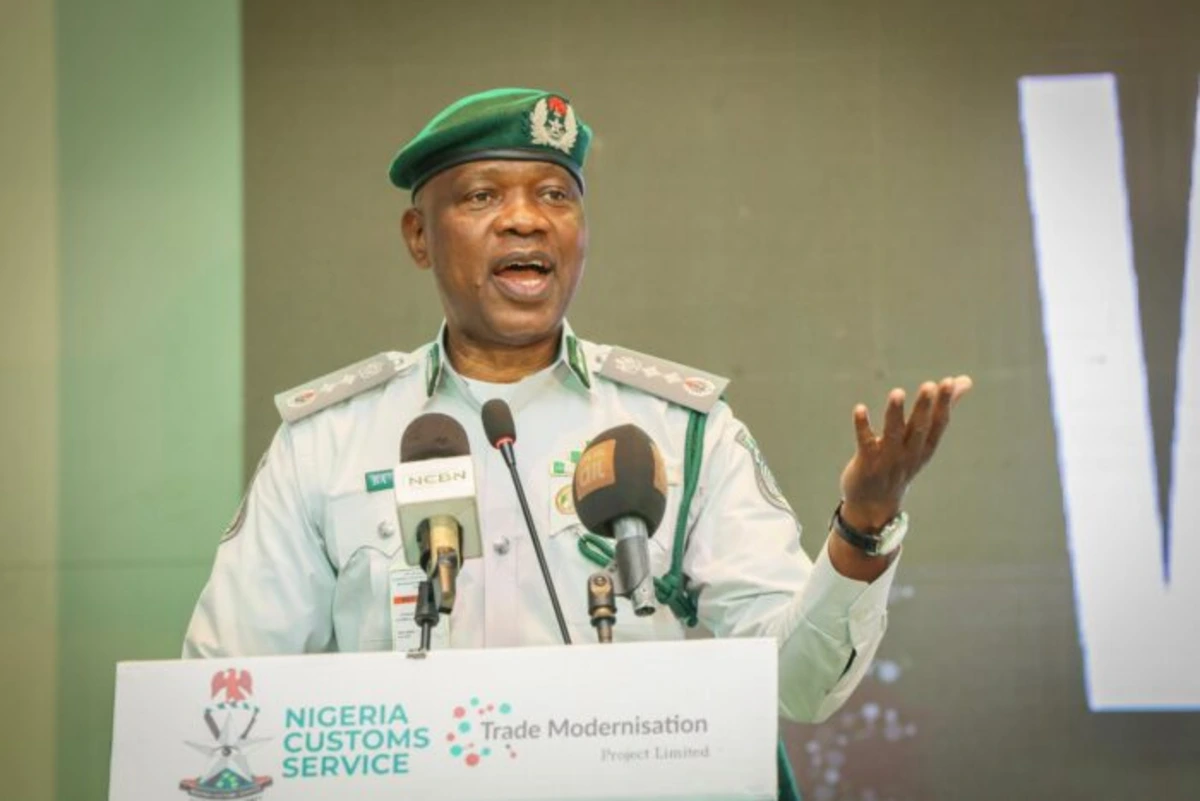
Nigeria and Cameroon have launched the Mfum-Ekok Border Modernisation Initiative, a joint effort aimed at improving border infrastructure, deploying technology-driven solutions, and reducing trade bottlenecks along one of the region’s key trade corridors.
The initiative was unveiled on Wednesday during a joint assessment exercise conducted by the Nigeria Customs Service (NCS) and the Cameroon Customs Administration.
The project is expected to enhance trade facilitation, improve border efficiency, and support the objectives of the African Continental Free Trade Area (AfCFTA).
The Mfum-Ekok corridor, which links Cross River State in Nigeria with Cameroon’s South-West Region, serves as a major gateway for the movement of goods and people between both countries.
Also Read
Authorities say the initiative will strengthen economic cooperation while creating a more conducive environment for trade and investment.
What they are saying
As part of the programme, customs officials from both countries commenced a joint assessment of the Ekok-Mfum One-Stop Border Post (OSBP), a move aimed at eliminating barriers to cross-border trade and advancing regional economic integration.
The high-level exercise, held in Mfum near Ikom Local Government Area of Cross River State, was conducted under the theme: “Leveraging the Nigeria Customs Service Trade Modernisation Project.”
Speaking at the event, Comptroller-General of Customs, Adewale Adeniyi, said the initiative builds on the longstanding cooperation between the customs administrations of both countries.
- “We are not building from nothing. We are taking something that works between the two of us,” Adeniyi said.
He explained that the assessment would evaluate how existing bilateral cooperation can be expanded to deliver greater benefits for the region and the African continent.
According to him, despite the strong historical and cultural ties between communities on both sides of the border, the movement of goods and people has remained less efficient than expected.
Adeniyi identified key development partners supporting the project, including the African Development Bank (AfDB), ECOWAS, the Economic Community of Central African States (ECCAS), Afreximbank, and the AfCFTA Secretariat.
He also disclosed that customs officials from Nigeria and Cameroon recently undertook a study tour of the Beitbridge Border Post between South Africa and Zimbabwe to understudy global best practices in border management.
The Customs boss added that technical teams from both countries are currently working on a joint operational agreement expected to be signed at the upcoming C-PACT conference.
Cameroon advocates data sharing and coordinated border operations
Cameroon’s Director-General of Customs, Fongod Nuvaga, described the joint assessment as a major milestone toward establishing coordinated border operations between the two countries.
He said the initiative would focus on improving efficiency at the Mfum-Ekok border through enhanced cooperation, real-time data exchange, and joint risk management systems.
According to Nuvaga, greater information sharing would reduce duplication in cargo inspections and traveller screening, helping to speed up trade flows and improve border experiences for businesses and commuters.
He stressed that coordinated border management would ensure goods and travellers are processed more efficiently rather than being subjected to repetitive checks on both sides of the border.
Get up to speed
The initiative comes amid growing efforts to address structural barriers to trade across Africa.
A recent World Bank report titled Integrating Africa: From Threads to Hubs found that nearly 60% of Africa’s total trade costs originate from behind-the-border barriers rather than tariffs or border controls.
The report identified customs inefficiencies, regulatory misalignment, poor logistics services, fragmented transit systems, and inadequate infrastructure as major contributors to high trade costs across the continent.
According to the World Bank, reducing tariffs alone will not significantly lower trade costs unless countries also address domestic constraints that hinder the movement of goods and services.
What you should know
The border modernisation initiative also aligns with broader efforts to strengthen regional trade and financial integration across Africa.
Recently, Chief Executive Officer of the Pan-African Payment and Settlement System (PAPSS), Mike Ogbalu, disclosed that Nigeria continues to record strong transaction volumes with several African countries, including Cameroon, Niger Republic, and Benin Republic.
According to Ogbalu, growing trade in Nigerian goods across West Africa is driving increased demand for cross-border payment and settlement solutions, highlighting the need for more efficient trade and logistics infrastructure across the region.