Follow Us on Google Discover
Every rainy season comes with a bittersweet story that has become a recurring decimal, year-on-year, decade-on-decade, and generation-on-generation. It starts as showers of blessings, bringing an end to the heated homes, hydrating and nourishing our crops for food. Then it morphs into a downpour that stuns and overwhelms our streets, turning them into flooded theatres, with submerged vehicles, waterlogged shops, and families wading through knee-deep water to save what they can. By the time the floods recede, the damage is already counted in millions of naira and, too often, in lives lost.
As Nigeria moves through the peak of its 2026 rainy season, with forecasts pointing to a heightened flood risk across several states between 21 July and 20 August, this is not a moment for alarm. It is a moment for preparation.
A risk we know is coming
Unlike many disasters, flooding in Nigeria is rarely a surprise. The Nigerian Meteorological Agency (NiMet) issues seasonal outlooks months in advance. We know, broadly, which states and communities sit in harm’s way. Lagos, Rivers, Edo, and Akwa Ibom face recurring exposure this season, shaped by heavy rainfall, poor drainage infrastructure, and rapid, mostly unplanned urban development along waterways.
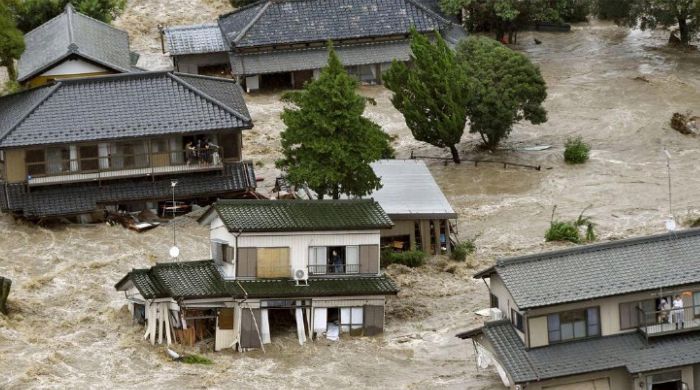
Recent statistics of flooding in Nigeria
Recent statistics on flooding in Nigeria reveal a devastating impact on the country’s infrastructure and communities. As of November 4, 2025, the National Emergency Management Agency (NEMA) reported that 433,578 persons were affected by flooding across 27 states and 123 local government areas. This includes 144,790 displaced individuals and 241 lives lost. The disaster also caused significant damage to 52,509 houses and the destruction of 74,767 hectares of cultivated farmlands.
Yet year after year, preparedness lags. Homeowners wait until water is at the doorstep before moving valuables. Business owners assess flood risk only after a warehouse is already underwater. Vehicle owners park in low-lying areas out of habit, not awareness. The gap is not one of information. It is one of planning.
Practical steps that make a real difference
Flood preparedness does not require grand gestures. It requires a few deliberate habits, repeated consistently.
For homeowners, this starts with knowing your terrain. Identify whether your property sits in a flood-prone area, and if so, elevate electrical fittings, appliances and important documents above likely water lines. Keep drainage around your compound clear of debris, as blocked channels can turn a manageable downpour into a flooded living room. Have an emergency kit ready, including torches, first-aid supplies, and a few days’ worth of essentials, so a sudden evacuation does not catch your household unprepared. If possible, choose a day for a flood management and evacuation drill.
For vehicle owners, avoid parking in low-lying spots or under flyovers during heavy rain, however convenient they seem. If you must drive through standing water, resist the urge to push through as a stalled engine in floodwater often causes more damage than the flood itself. Where possible, relocate vehicles to higher ground ahead of forecast storms rather than after the rain has started.
For SMEs and business owners, the stakes are often higher, because the losses extend beyond property to livelihoods and staff income. Stock inventory should, where possible, be stored off the ground. Business continuity plans should account for the very real possibility of a flood-related shutdown, however brief.
Your Best Bet for Financial Recovery
Preparedness reduces damage. It does not eliminate it. Even the most careful household or business can be affected by a flood severe enough to overwhelm precautions, particularly given the state of drainage infrastructure in many cities across Nigeria. This is the gap that insurance exists to close.
Leadway Householder insurance policy provides coverage against flood risk, meaning the affected family does not have to rebuild from zero after a disaster.
Leadway Motor insurance policy with adequate coverage means a submerged vehicle is a claim, and not a permanent loss. For businesses, insurance against flood damage can mean the difference between temporary disruption and permanent closure, protecting not just the owner but every employee whose income depends on that business staying open.
At Leadway, we see this every rainy season: the households and businesses that recover fastest are, almost without exception, the ones that had both practical safeguards and the right insurance cover in place before the rain came. Preparation and protection work best together, not as alternatives to each other.