Follow Us on Google Discover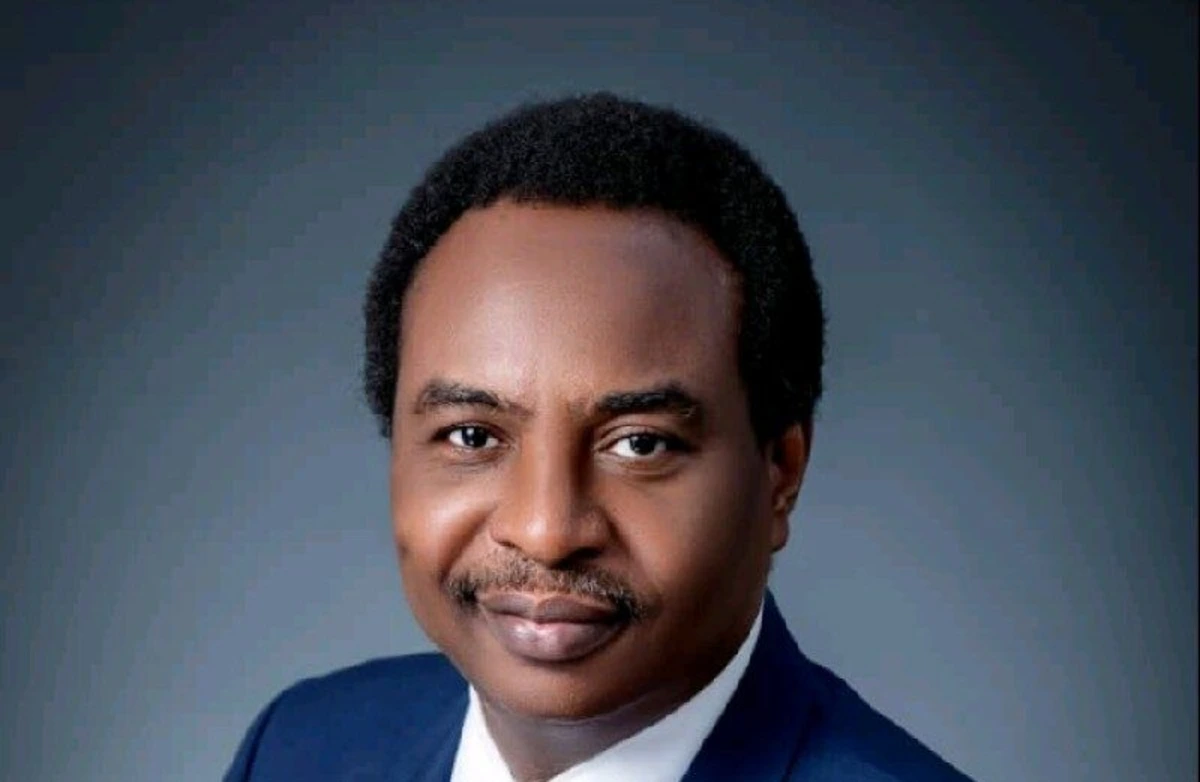
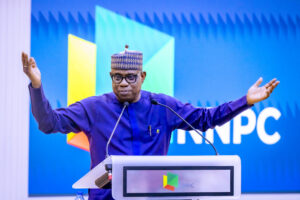
The Executive Director of the Midstream and Downstream Gas Infrastructure Fund (MDGIF), Oluwole Adama, has disclosed that the Fund is supporting about 200 gas infrastructure projects nationwide to unlock Nigeria’s 200 trillion cubic feet of gas reserves.
Adama disclosed this during a fireside chat at the West African Refined Fuels Market (WARFM) Conference in Abuja on Wednesday.
The panel session, attended by Nairametrics, was tagged “Investment Challenges and Opportunities for African Oil and Gas Infrastructure.”
What they are saying
According to Adama, the Fund, in its bid to tap the nation’s gas reserves, has reached Final Investment Decisions (FID) on 31 projects while supporting the “construction of more than 200 pieces of infrastructure over the past 18 months.”
Also Read
He added that 10 of those projects have been commissioned.
He highlighted that the development is part of the Fund’s strategy to bridge a reported $20 billion annual deficit in Nigeria’s gas infrastructure.
- He also announced that the Fund would commission about six to eight additional gas processing plants and over 50 CNG daughter and mother stations between October and December 2026.
- He added that the Fund is collaborating with international partners, including through a $500 million agreement signed with Afreximbank, to achieve its objectives.
- He explained that MDGIF was established under the Petroleum Industry Act 2021 to de-risk investment in gas infrastructure.
He highlighted that the sector is highly capital-intensive and largely unattractive to commercial lenders.
- He emphasised, however, that the Fund’s approach is to provide “patient capital through equity ownership rather than traditional loans or grants.”
According to him, this approach is designed to make highly capital-intensive gas projects bankable, especially given the high commercial interest rates.
He stressed that gas is the way to go for Nigeria because it is a cheaper source of fuel for automobiles and other energy needs.
On his part, the Executive Director of Finance and Accounts at the Nigerian Midstream and Downstream Petroleum Regulatory Authority (NMDPRA), Abiodun Adeniji, expressed optimism that the planned launch of the African Energy Bank would offer financing at rates closer to those available in foreign jurisdictions, as against the double-digit rates charged by Nigerian commercial banks.
He called for adequate funding for MDGIF to enable it to perform its role in the sector.
Get up to speed
In May 2026, MDGIF said it had committed over N430 billion to gas infrastructure across Nigeria, amid President Bola Tinubu’s commissioning of four flagship Compressed Natural Gas projects that same month.
Hussaini Basaka, Director-in-Charge of Project Management at MDGIF, told the press about the monetary implications of the CNG projects.
- “So, in ballpark terms, the MDGIF has invested over N430 billion and catalysed about ten times that amount — about N1.6 trillion in investments,” he said at the time.
He added that, for the particular project in Abuja at the time, MDGIF took a 45% stake by investing a substantial amount of money.
What you should know
In early 2025, the Executive Secretary and Chief Executive Officer of the Nigeria Extractive Industries Transparency Initiative (NEITI), Dr Ogbonnaya Orji, said Nigeria needs $20 billion annually for 10 years as investment in gas infrastructure.
- Orji made this assertion during his presentation of the latest NEITI oil and gas industry report to the Senate Committee on Public Accounts.
- Nigeria has the largest gas reserves in Africa and is among the top 10 countries in the world with the largest gas reserves.
- However, a large share of these reserves remains untapped due to a lack of adequate investment in infrastructure.
The Federal Government of Nigeria, in March 2025, launched a N2.5 billion credit scheme to encourage the conversion of vehicles to Compressed Natural Gas (CNG) and the manufacturing of conversion kits.
The Presidential Compressed Natural Gas Initiative (PCNGi), which disclosed this, stated that the initiative was aimed at easing energy and transportation costs in Nigeria.
The Federal Government maintained that the development was intended to boost gas mobility while demonstrating its commitment to sustainable energy solutions and providing financial relief to citizens.