Follow Us on Google Discover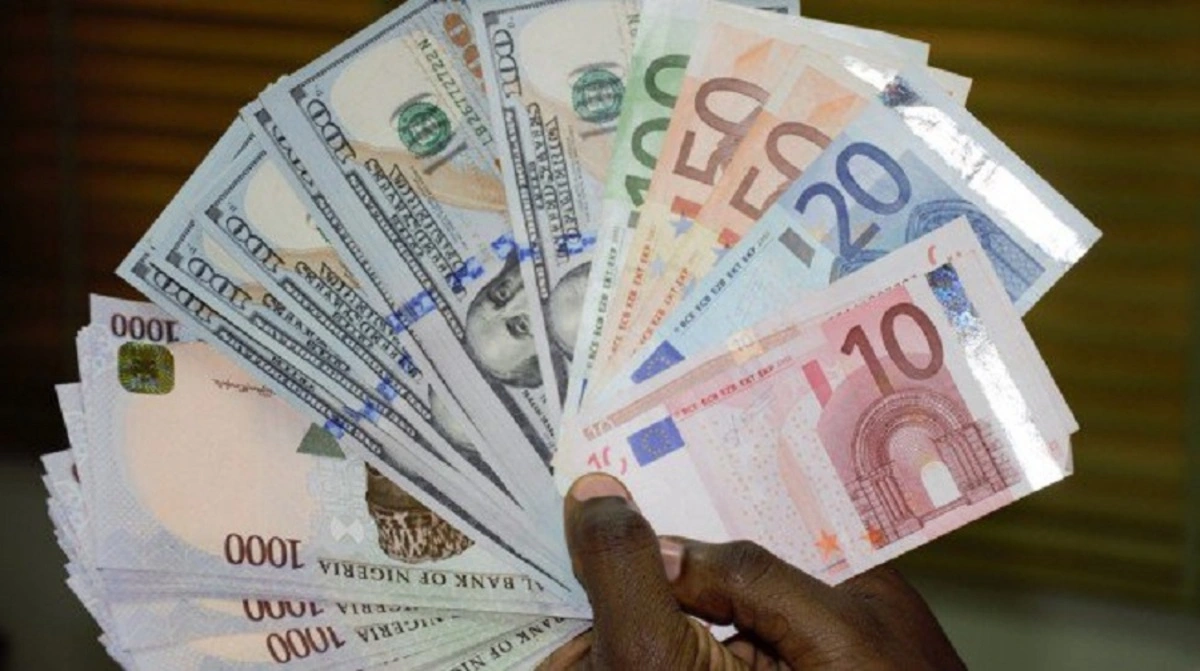
The Naira remained range-bound against the British pound, settling at N1,843/£1 as midweek official market trading opened.
The British pound has not been able to reclaim the N1850//£ support line since the 20th of July.
CBN’s recent tick data demonstrated tight price action in a narrow corridor between N1,830/£ and N1,845/£ – indicating short-term market clarity.
The official window also revealed more orderly price discovery in the Nigerian foreign exchange market amid a long history of intermittent volatility, stemming from parallel market spread activities and a structurally illiquid market, persist as risks to corporate and consumer access to hard currencies, and particularly British pound sterling to Nigerian end-user conversion, typically arise during import cycles, for UK-schooling tuition payments, and when Nigerian companies are building up their inventories.
Also Read
The Nigerian Apex Bank is making efforts to ensure foreign currency availability, tame liquidity, and limit stubbornly high inflation through monetary tightening. Reforms have changed the method through which the official market and lenders price exotic FX currency pairings following FX rate convergence and standardisation.
The CBN has taken several interventions into the domestic FX market, which have driven greater dollar inflows and a decline in the accumulation of FX payment backlogs across large swathes of the market and may further bridge the gap with parallel market premiums.
Notwithstanding, endogenous demand (trade, refined imports, etc., plus external debt servicing) will see appreciation against the GBP in the medium to long term remain the outlook
In the UK, the British currency direction remains primarily dictated by the country’s inflation outlook and BoE rate path. Higher wage growth and services inflation in the UK typically lead the Pound to react sharply to movements in the currencies of frontier markets like Nigeria
The British Pound struggles, awaits US inflation and UK growth data
The British pound sterling hovers slightly near $1.35 against the American dollar during the Wednesday trading session.
Currency traders are expecting more of the same with range-bound conditions for the Cable, while attention will be on July Consumer Price Index (CPI) data released in the afternoon during North American trading hours before the United Kingdom Gross Domestic Product (GDP) report on Thursday.
- In addition, traders expressed concerns regarding the United States Federal Reserve (Fed) becoming more dovish after Fed Chairman Kevin Warsh noted after the July meeting that there was increasingly serious upside inflation risks that would influence future rate decisions. This will turn investors’ attention towards the US CPI release in the next session.
- The GBP/USD holds ground at about $1.35 and above the 20-day EMA at $1.3437, supported by the bearish trend line at $1.3465 for a building bullish tone pending price consolidation at recent peaks.
- The 14-day RSI at approximately 60 suggests unimpaired bullish momentum, yet being outside overbought territory indicates buyers control the direction, with the spot above these areas.
The US dollar holds strong after the receding optimism that the Strait of Hormuz may be reopened. Indeed, an advisor to Iran’s top leader, Mojtaba Khamenei, declared, “Unless the US responds to Iran’s requests, the Strait of Hormuz will never be opened.”
On top of this, Iran-supported Houthis in Yemen also increased their targeting of vessels transiting the Red Sea and the Bab al-Mandeb, mostly attacking Saudi-linked vessels, contributing to remaining in play for war risk premiums while providing upward pressure on oil to trigger inflation jitters.