Follow Us on Google Discover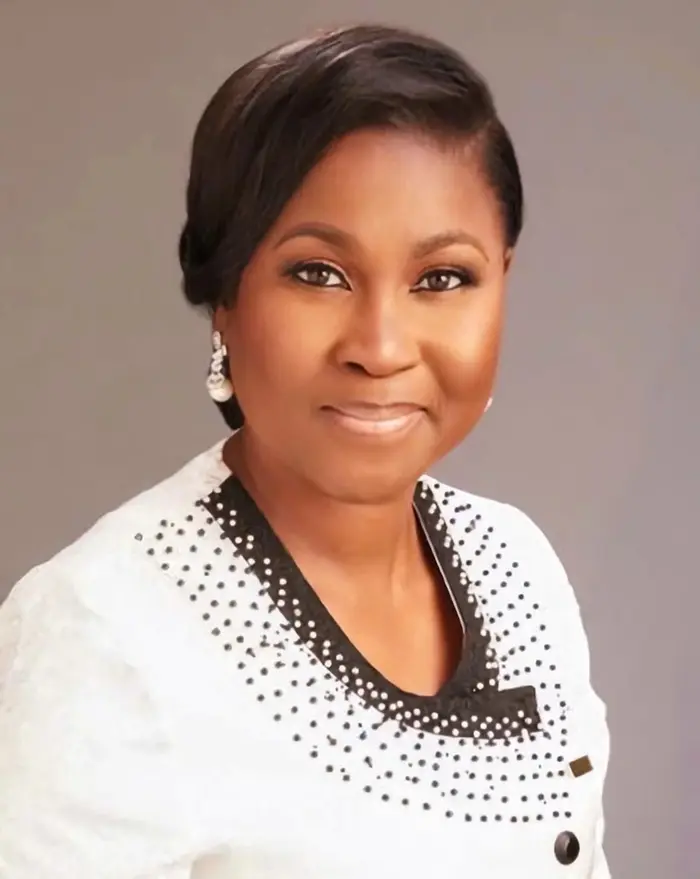
Nigeria’s healthcare sector needs more than additional funding to expand.
It needs businesses that can attract capital, deploy it effectively and build institutions capable of scaling, healthcare stakeholders said at the inaugural First City Monument Bank Healthcare Summit in Lagos.
The financing challenge is central to that transition.
Healthcare providers face limited access to affordable, long-term capital, while lenders and investors require stronger governance, financial reporting and business structures before committing funds.
Also Read
FCMB is seeking to address part of that gap with a ₦20 billion Healthcare Fund unveiled at the summit. The fund is designed to provide financing for private healthcare businesses, including hospitals, clinics, diagnostic centres, pharmaceutical companies, pharmacies, maternity homes and other businesses across the healthcare value chain.
The summit, themed “Financing Growth: Unlocking Opportunity, Building the Future of Healthcare,” brought together policymakers, healthcare providers, investors, financial institutions and development partners to examine how more private capital can be directed into the sector.
“Healthcare is a social imperative and an economic priority,” FCMB Managing Director and Chief Executive Officer Yemisi Edun said in remarks delivered by Executive Director, Corporate Services and Service Management Felicia Obozuwa. “Building a strong healthcare system requires patient, affordable and long-term capital.”
Edun said healthcare businesses also need sound governance, capable leadership and strategic partnerships to build resilient institutions. FCMB plans to provide financing for infrastructure expansion, medical equipment, working capital, technology adoption and other investments aimed at improving efficiency and service delivery.
The push for more private capital comes as the government increases public investment in healthcare and seeks to expand capacity across the sector.
Minister of State for Health and Social Welfare Iziaq Salako said more than ₦339 billion has been disbursed through the Basic Healthcare Provision Fund over the past 12 years, including ₦235 billion in the last three years under the Health Sector Renewal Investment Initiative.
A further ₦32.9 billion has recently been disbursed to support more than 8,300 primary healthcare centres, with the government targeting about 13,000 facilities nationwide, Salako said.
The government is also seeking to expand domestic healthcare manufacturing. Its Presidential Initiative for Unlocking the Healthcare Value Chain targets local production of 70% of medicines and medical devices by 2030. Salako also highlighted initiatives aimed at addressing power constraints in healthcare facilities and creating long-term procurement opportunities for local manufacturers.
For private operators, however, access to capital remains a major constraint.
Njide Ndili, president of the Healthcare Federation of Nigeria, said affordable, long-term financing is one of the biggest barriers to the growth of private healthcare businesses.
Experience from HFN’s partnership with the PharmAccess Medical Credit Fund shows that healthcare small and medium-sized enterprises can be bankable when financing is combined with technical support, capacity building and quality standards, Ndili said.
That places investment readiness alongside access to capital as a key issue for the sector.
HFN will work with FCMB to develop a framework for pre-qualifying eligible healthcare facilities and helping healthcare businesses become investment-ready. The federation has more than 400 member organisations and 4,000 professionals, according to information presented at the summit.
The framework is intended to help businesses strengthen governance, financial reporting, management capacity and growth plans before accessing financing.
The summit’s discussions reflected that shift from simply finding capital to building businesses capable of attracting it.
Participants in a session on capital, partnerships and sustainable growth examined blended finance, alternative lending structures and public-private partnerships as potential ways to attract more local and international investment.
Another session, “From Survival to Scale: Building Bankable Healthcare Businesses in Nigeria,” focused on how healthcare operators can move beyond managing daily pressures to building institutions capable of attracting long-term capital.
An executive conversation on building healthcare businesses that attract capital highlighted the importance of business management, governance, risk management and clear growth plans alongside clinical performance.
The discussions identified four priorities for the next phase of healthcare-sector growth: expanding access to fit-for-purpose capital, making healthcare businesses more bankable, strengthening public-private partnerships and expanding local capacity in pharmaceuticals, diagnostics and medical equipment.
FCMB’s ₦20 billion Healthcare Fund is positioned within that broader agenda. The bank said the fund will complement public-sector investment by providing additional capital for businesses seeking to expand capacity, acquire equipment, strengthen infrastructure, adopt technology and improve service delivery.
The summit was organised in partnership with the Health Business Academy for Africa.
For FCMB, the next step is to move from discussing healthcare financing as a sector challenge to creating mechanisms that help businesses become investment-ready, access capital and scale.
The broader objective is to build a healthcare ecosystem in which stronger businesses, better financing and strategic partnerships can expand capacity and support the delivery of quality healthcare in Nigeria.