Follow Us on Google Discover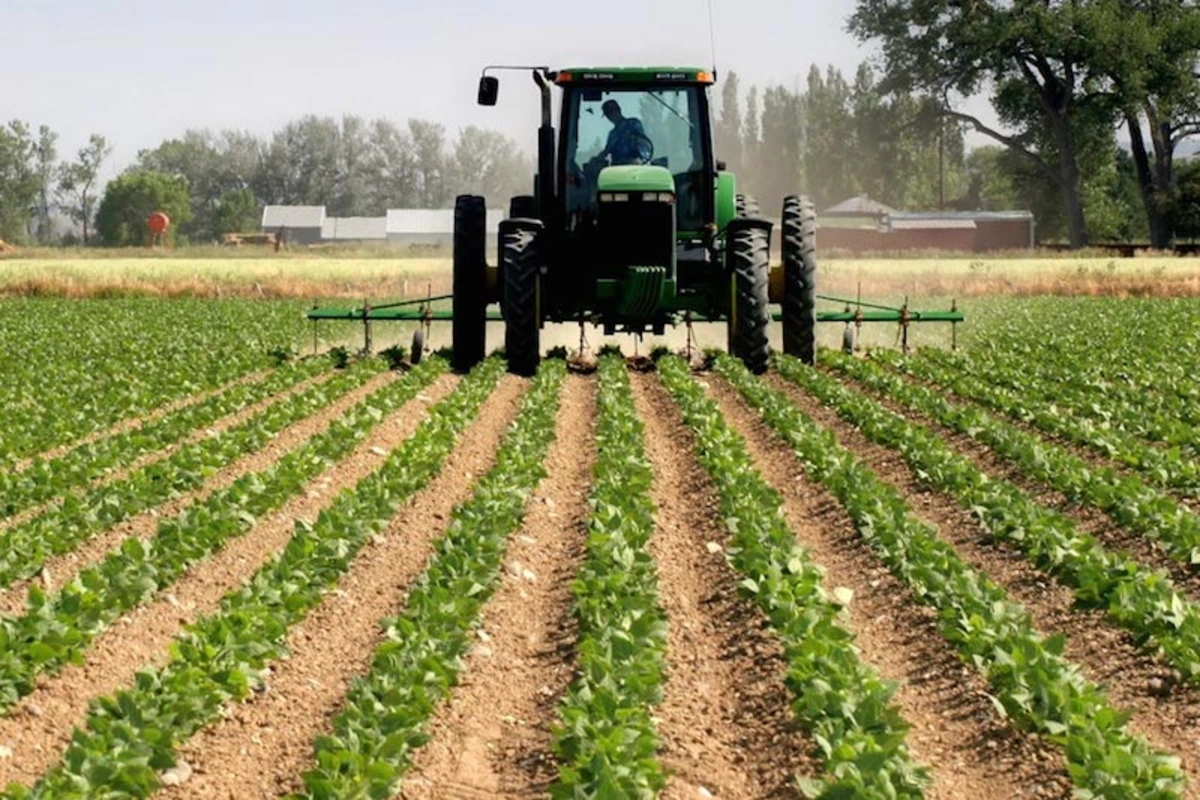
Nigeria’s private sector maintained its expansionary momentum in July 2026, with the Central Bank of Nigeria (CBN) Purchasing Managers’ Index (PMI) rising to 51.1 points, supported by continued growth in the Agriculture and Services sectors.
The latest PMI report released by the CBN showed that overall business conditions improved during the month, although the Industry sector remained in contraction, underscoring the uneven pace of the country’s economic recovery.
The report noted that easing price pressures, stronger business activity and improving employment conditions contributed to the positive outlook for the economy.
What the report is saying
The CBN said the July 2026 Composite PMI indicated an expansion in overall economic activity and reflected improving business conditions.
Also Read
- “The July 2026 composite PMI (51.1 points) indicated an expansion in overall economic activity, driven by expansions in the Services and Agriculture sectors.”
- “The sustained expansion in the Composite PMI points to improving business conditions and signals a cautiously positive outlook for economic activity in July 2026.”
- “The components of the Composite PMI – Output (51.8), Employment (51.1) and New Orders (50.8) indices registered expansion.”
- “The Suppliers’ Delivery Time Index stood at 51.3 points in July 2026, signaling an improvement in supplier response time.”
The apex bank added that the Composite Stock of Raw Materials Index remained below the 50-point threshold at 49.6 points, indicating continued contraction in inventory levels despite the broader improvement in business activity.
The Agriculture sector remained the strongest performer, with its PMI rising to 52.1 points in July, marking the twenty-fourth consecutive month of expansion.
- General farming activities, new orders, employment and inventories all remained in expansionary territory, while Agricultural Support Services recorded the strongest growth among the subsectors. Crop Production was the only agricultural subsector to record a contraction during the month.
The Services sector also returned to growth after three consecutive months of contraction, with its PMI increasing to 51.1 points from 49.4 points in June.
- Eight of the eleven services subsectors expanded during the month, led by Administrative and Support Services, while Transportation, Courier and Storage recorded the weakest performance.
Meanwhile, the Industry sector remained under pressure, although conditions improved slightly. The Industry PMI rose marginally to 49.6 points in July from 49.5 points in June, indicating a slower pace of contraction.
The CBN attributed the weakness largely to lower output, declining new orders and reduced raw material inventories. However, employment and supplier delivery times remained in expansionary territory, suggesting continued resilience in operational activities.
Among the sixteen industrial subsectors surveyed, eight expanded while the remaining eight contracted. Electrical and Electronics recorded the strongest growth across all sectors, while Oil Refining posted the steepest decline in business activity.
What you should know
Nigeria’s headline inflation rate edged lower to 15.91% in June 2026, compared to 15.93% recorded in May, according to the latest Consumer Price Index (CPI) report.
- The June inflation rate was significantly lower than the 25.29% recorded in June 2025.
- On a monthly basis, food inflation accelerated to 3.75%, up from 2.98% in May.
- Nairametrics earlier reported that Agriculture recorded strong recovery in Q1 2026 with real growth of 3.15%, compared to just 0.07% in the corresponding period of 2025.
The United Nations Food and Agriculture Organization (FAO) has warned that about 34.7 million Nigerians could face severe food insecurity during the next lean season (June to August 2026) if timely and coordinated interventions are not implemented.
In April, the World Bank approved a $500 million International Development Association (IDA) credit for Nigeria to boost agricultural productivity, strengthen value chains, and improve food security under a new programme tagged the Nigeria Sustainable Agricultural Value-Chains for Growth (AGROW) Project.