
 Follow Us on Google Discover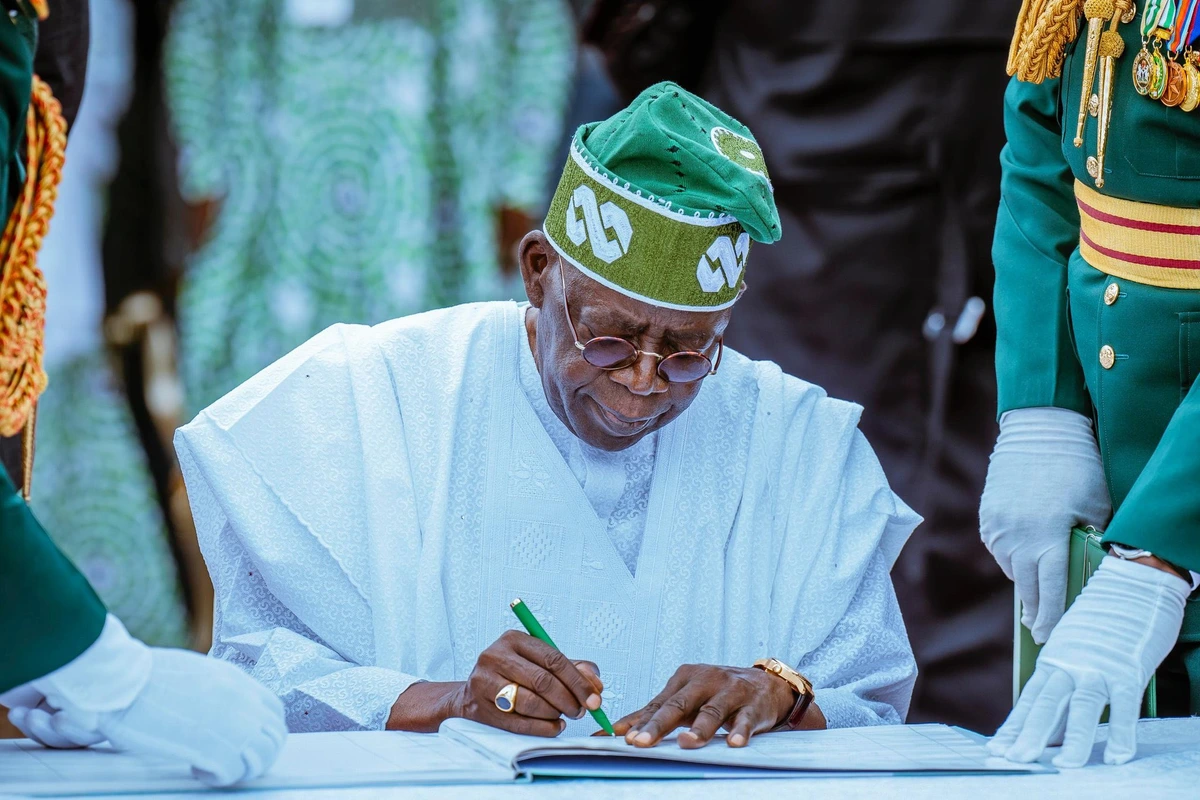
Nigeria has set itself a bold goal.
President Bola Ahmed Tinubu wants to build a one trillion-dollar economy.
For anyone who invests, builds or plans in Nigeria, this is more than a political target.
It is a claim about the size and direction of the market we all operate in.
Also Read
So, it is worth understanding precisely, the numbers.
The first thing to say is that a clear reading of where the economy stands is not criticism. It is simply good practice; the same discipline any business applies before it commits capital.
A trillion dollars, measured how?
There are two common ways to measure the size of an economy, and they give very different answers.
The first converts everything Nigeria produces into dollars at the market exchange rate. By this measure, the World Bank valued the economy at about USD 291bn in 2025. That figure fell sharply over the previous two years as the naira weakened, even though real activity on the ground changed far less.
The second way asks what the money can actually buy inside the country. A thousand naira buys more food, housing and transport in Lagos than the same sum of dollars buys in New York. Economists adjust for that and call the result purchasing power parity.
On this measure, using World Bank figures for 2025, the Nigerian economy is worth about USD 2.3tn.
What the gap between the two numbers tells us
For a business, the gap between USD 291bn and USD 2.3tn is not an academic curiosity. It is a guide to the size of the market. Measured at the exchange rate, Nigeria looks modest. Measured by what people can actually buy, it is a USD 2.3tn market of more than 230 million consumers.
For anyone sizing demand for goods and services inside the country, the second number is much closer to the truth of daily life.
Much of that activity is informal, which means it sits outside the formal, measured, taxed economy. That is both the challenge and the opportunity. Every naira of value that moves from the informal economy into the formal one does three useful things at once.
It lifts the dollar figure the government is aiming for. It widens the tax base. And it brings new customers within reach of banks, insurers and other formal businesses. In short, a large part of the path to a trillion dollars at the exchange rate runs through formalisation, not just fresh growth.
By when?
The second question is when. A goal without a date is hard to plan around, and the date changes the pace required. Reaching a trillion dollars at the exchange rate within a few years would demand dollar growth faster than almost any country has achieved. A longer horizon, perhaps the middle of the next decade, is far more realistic.
For investors, this matters. A credible timeline is one you can build a business case around. An unrealistic one invites disappointment, and then retreat. Setting a date the country can actually meet is therefore not a lowering of ambition. It is a way of protecting confidence.
What it means for each person, and each customer
There is a further number worth keeping in view. A large national total is not the same as a large income for each person. Picture the trillion-dollar goal reached at the exchange rate, then shared among more than 230 million people. It comes to only about 4,000 dollars each in a year. That is real progress, but it is not yet prosperity.
For businesses, this is the demand story in miniature. The opportunity in Nigeria is less about a small number of wealthy consumers and more about the rising incomes of a very large population. Firms that design for scale, for affordability and for the everyday customer are building for the economy Nigeria actually has, and for the one it is becoming.
Learning from experience
Nigeria has set bold goals before. Vision 20:2020 aimed to place the country among the world’s twenty largest economies by 2020. The lessons from that period are practical rather than discouraging. Big goals tend to succeed when three things are present: a clear definition of the target, a realistic timeline, and steady effort year after year, across administrations.
Countries that once faced challenges much like ours, such as Indonesia and Vietnam, show that rapid and durable growth is possible when a nation holds its course. Both attracted investment by offering something investors prize above almost everything else, which is predictability.
From a goal to a plan
So is the trillion-dollar ambition worth pursuing? Clearly, yes. A country should aim high, and a confident private sector needs a confident national direction.
The opportunity now is to turn a bold number into a shared, practical plan: agree on what we are measuring, set a timeline everyone can stand behind, and keep the focus on the incomes and living standards of everyday people.
For those of us who allocate capital and build companies, the message is encouraging. The Nigerian economy is already larger than the headline dollar figure suggests. The task ahead is to formalise, deepen and grow it, steadily and predictably. That is the real work behind the number, and it is work well worth doing, together.
This is the first in a series exploring whether, and how, Nigeria can become a one trillion-dollar economy. Next in the series: is Nigeria already closer to the goal than the headlines suggest?
Frank Nnamka is a private equity and impact investor backing high growth enterprises across Africa. He writes here in a personal capacity.



A well articulated write up that addresses all my prior concern about the subject perfectly
This article is very clear and insightful. No unnecessary frills. Straight to the point. Welldone Frank.