Follow Us on Google Discover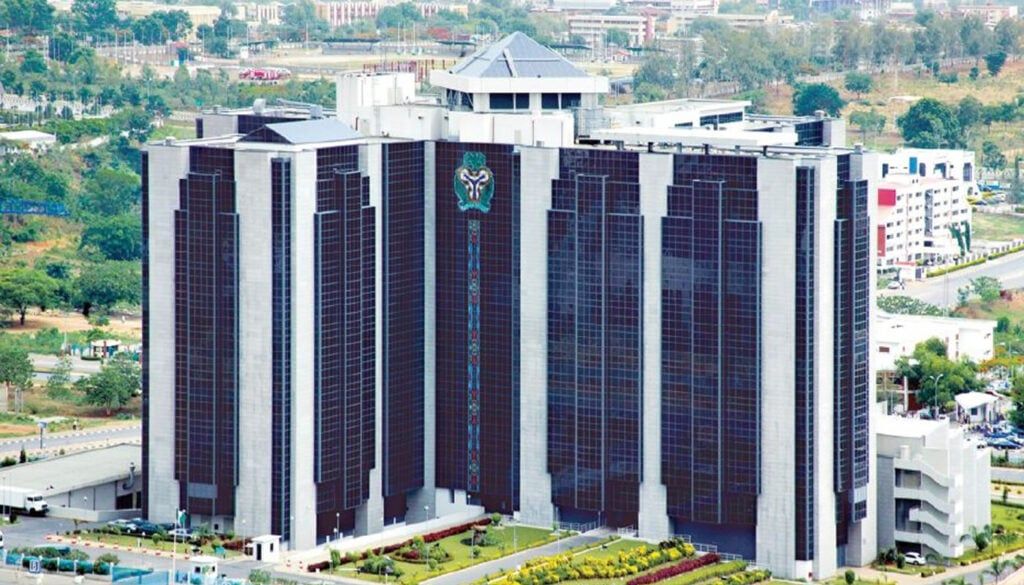
The Central Bank of Nigeria (CBN) has launched the FX BDC Purchase Tracker (FXBT) and directed Bureau De Change (BDC) operators to resell any unused foreign exchange purchased from the official market within 24 hours after the expiry of the utilisation period.
The new operational guidelines, issued by the apex bank, set out how licensed BDCs will buy foreign exchange from authorised dealer banks through the Nigerian Foreign Exchange Market (NFEM).
The guidelines provide the implementation framework for the CBN’s February 10, 2026 circular, which restored licensed BDCs’ access to the official foreign exchange market after years of being excluded.
They also introduce stricter compliance requirements, centralised transaction monitoring and stronger oversight aimed at improving transparency in Nigeria’s retail foreign exchange market.
What they are saying
The CBN said the new guidance is designed to facilitate the seamless implementation of its decision to allow licensed BDCs to purchase foreign exchange from the official market while strengthening oversight of the retail foreign exchange segment.
According to the apex bank, the framework establishes clear operational procedures covering eligibility requirements, transaction processing, settlement, reporting obligations and compliance responsibilities.
- “The Guidance announces the implementation of the electronic portal to facilitate the interaction between BDCs and the NFEM and outlines, among others, the eligibility requirements for participating BDCs, purchase request procedures, confirmation and settlement processes, reporting obligations, weekly purchase limits, treatment of unutilised balances, and compliance responsibilities of Authorised Dealer Banks and BDC operators.”
- “The CBN shall maintain a centralised portal, the FX BDC Purchase Tracker (FXBT) to which all BDCs shall be registered and submit real-time or same-day data on BDC purchases, enabling systemic compliance and oversight.”
- “No Authorised Dealer Bank shall impose exclusivity arrangements, referral fees, or any condition that restricts a BDC’s freedom to select its preferred counterparty bank.”
The guidance also prohibits BDCs from retaining unutilised foreign exchange purchased from the official market, requiring all unused balances to be sold back into the NFEM within 24 hours after the expiry of the utilisation period.
It further mandates authorised dealer banks to conduct comprehensive Know-Your-Customer (KYC) and customer due diligence checks, including verification of operating licences, Corporate Affairs Commission (CAC) registration, Tax Identification Number (TIN), beneficial ownership and principal officers.
All settlements must be made through registered settlement accounts, while third-party transactions remain prohibited.
The CBN warned that violations could attract monetary fines, suspension from the NFEM, withdrawal of BDC licences, revocation of authorised dealer status for banks involved in breaches, and referral to law enforcement agencies where criminal conduct is established.
Get up to speed
The operational guidance follows the CBN’s February 10, 2026 circular, which reintroduced licensed BDCs to the official foreign exchange market as part of ongoing reforms aimed at improving liquidity in Nigeria’s retail foreign exchange segment.
The earlier policy marked a significant shift after years of restricting BDCs’ access to official foreign exchange.
- Licensed BDCs are permitted to purchase up to $150,000 weekly from authorised dealer banks for eligible invisible transactions, including Personal Travel Allowance (PTA), Business Travel Allowance (BTA), overseas school fees and medical payments.
- BDCs are required to sell foreign exchange to end-users at a spread not exceeding 1% above their purchase price.
- Operators must maintain detailed transaction records for regulatory inspection.
- The new guidance introduces the operational procedures for initiating, monitoring, settling and reporting all transactions through the FX BDC Purchase Tracker (FXBT).
The guidance also clarifies how the CBN intends to enforce the weekly purchase limit by tracking transactions across multiple authorised dealer banks, making it more difficult for BDCs to exceed their approved weekly allocation through different banking relationships.
Nairametrics data shows that the gap between the official and parallel market exchange rates has narrowed to about 2.1%, highlighting the relative stability of the foreign exchange market.
As of Thursday, the naira traded at about N1,413/$1 in the parallel market, compared with around N1,383/$1 at the official market. The local currency has remained largely stable against the dollar for most of the year.
What you should know
The latest framework represents another step in the CBN’s broader effort to formalise Nigeria’s retail foreign exchange market following reforms introduced since 2023.
- The FXBT platform will provide the CBN with end-to-end visibility over foreign exchange purchases, settlement accounts, utilisation and reporting obligations.
- The requirement for unused foreign exchange to be sold back into the market within 24 hours is expected to reduce speculative demand and discourage operators from warehousing dollars in anticipation of exchange rate movements.
- Nigeria currently has more than 1,700 licensed Bureau De Change operators, making the sector one of the largest retail foreign exchange distribution networks in Africa.
- Although the apex bank approved BDC participation in the Nigerian Foreign Exchange Market earlier this year, concerns had persisted over compliance risks, speculative activity, and the potential abuse of FX allocations.
- In April, market operators told Nairametrics that restrictions on BDC access to the official market remained stringent as regulators sought to prevent round-tripping and other market distortions.