Follow Us on Google Discover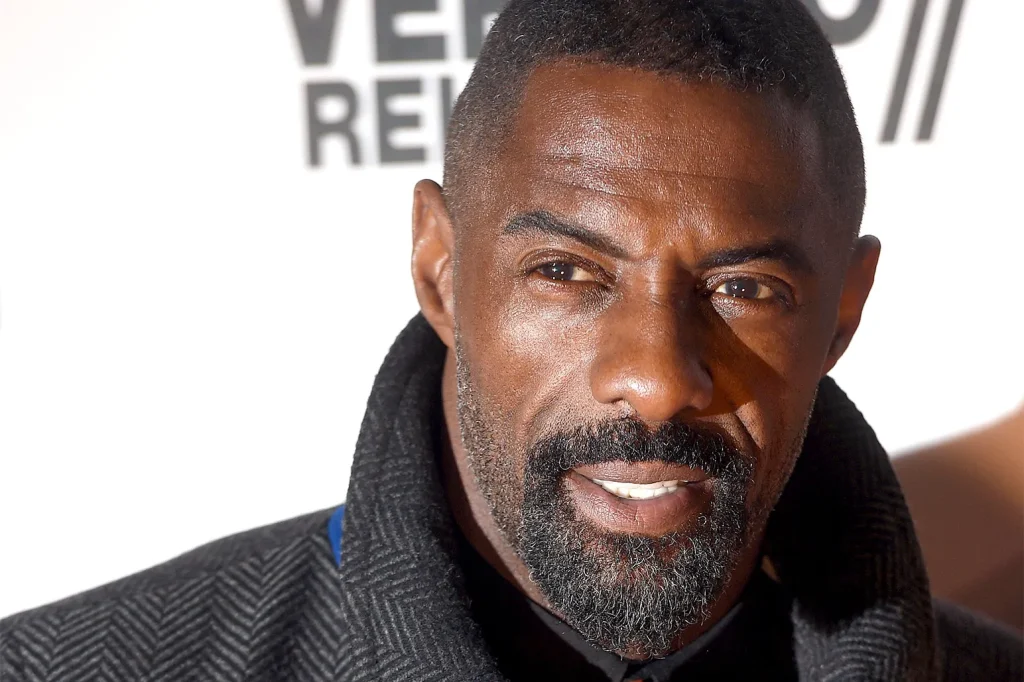
British actor and entrepreneur Idris Elba has partnered with Google to provide about 100,000 African creators with access to artificial intelligence tools worth approximately $1 million.
The move is aimed at helping creatives produce high-quality content faster, reduce production costs and compete globally.
According to Bloomberg, the initiative was disclosed following Google’s AI Summit in Johannesburg, South Africa.
Under the programme, Elba’s Elba Hope Foundation and Google will fund access to Google’s flagship Gemini AI assistant and other digital products for creators in Nigeria, Ghana, Kenya, Sierra Leone and South Africa.
Also Read
The partnership comes as Africa’s creative economy continues to gain momentum.
According to a recent report, the creative sector, since 2019, has contributed nearly 4% of sub-Saharan Africa’s Gross Domestic Product (GDP), generating more than $58 billion in revenue.
The industry also accounts for about 8.2% of all jobs across the region—higher than the global average and more than any other continent—underscoring its growing importance to Africa’s economic development.
What they are saying
Elba said the initiative is designed to bridge the gap between Africa’s abundant creative talent and the limited opportunities available to many creators across the continent.
- “The barrier is not a lack of vision — it’s a lack of access. Talent is everywhere, opportunity is not,” Elba said during a video call at Google’s AI Summit in Johannesburg on Wednesday.
Beyond the AI partnership, Elba is deepening his investment in Africa’s creative economy. The actor said he plans to establish a physical presence on the continent within the next few years as part of efforts to expand the industry’s production capacity and strengthen creative infrastructure.
Despite being home to the world’s youngest and fastest-growing population, Africa currently has fewer than 3,000 cinema screens, highlighting the scale of infrastructure deficits facing the sector.
Google Senior Vice President for Research and Technology, James Manyika, said artificial intelligence could help level the playing field for creators who lack access to expensive production facilities and large studio budgets.
- “We think about all those creatives who don’t have access to these enormous studio budgets. AI is potentially a tool that can enable them to do work that they couldn’t otherwise do because they don’t have huge budgets,” Manyika said.
More insights
The announcement comes as industry stakeholders continue to highlight structural challenges limiting the growth of Nigeria’s creative economy.
- According to The State of Nigeria’s Creative Economy 2026 report released by NECLive on June 29, unreliable electricity and poor internet connectivity remain the biggest barriers preventing Nigerian creatives from competing effectively on regional and global stages.
- The report, which surveyed professionals across advertising, marketing, digital content creation, filmmaking, music, public relations, photography, fashion, gaming, publishing, visual arts and other creative industries, ranked power supply and internet access as the most critical operational challenge.
Respondents also pointed to difficulties coordinating teams, inadequate access to production equipment, delayed funding for projects and travel, visa and export restrictions, burdensome regulations, and persistent intellectual property theft and piracy as other major constraints slowing the industry’s growth.
What you should know
The Google partnership adds to a growing list of Idris Elba’s business and philanthropic ventures.
- Recently, Danone, backed by Elba, agreed to acquire UK-based nutrition company Huel in a deal valued at about €1 billion. The transaction is expected to deliver a significant windfall for Huel’s investors, with co-founder Julian Hearn reportedly set to receive about £400 million.
Earlier in June, King Charles III formally knighted Elba at Windsor Castle in recognition of his services to young people and his longstanding community empowerment initiatives.
The actor, who has Sierra Leonean and Ghanaian heritage, has also announced plans to establish a creative village in Ghana, build a studio complex in Zanzibar and launch Akuna Wallet, a fintech platform designed to simplify cross-border payments for African creators.