Follow Us on Google Discover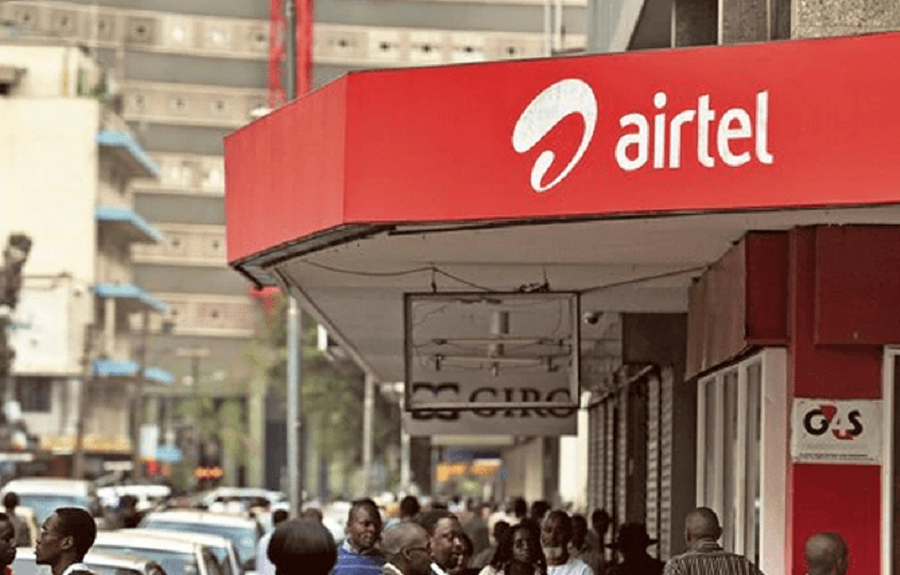
When telecom operators discuss network expansion, the conversation often centres on spectrum, base stations, fibre infrastructure, and data capacity.
Yet, behind every phone call, data subscription or SIM activation lies another critical layer of the industry: the vast distribution networks that connect telecom services to millions of Nigerians.
Across the country, mobile network operators have built extensive retail and agent ecosystems that function as the final link between technology infrastructure and customers.
These networks, comprising branded stores, distributors, sub-distributors, and independent retailers, have become an essential part of service delivery in Nigeria’s telecom sector.
Also Read
According to data from the Nigerian Communications Commission (NCC), Nigeria has more than 175 million active telecom subscriptions, making it one of Africa’s largest mobile markets.
Serving a customer base of that scale requires more than network coverage alone. It demands an efficient distribution system capable of delivering products, resolving customer issues, and supporting digital services in urban and rural communities alike.
Airtel’s retail footprint
One example of this approach is Airtel Nigeria, which says it operates more than 4,000 exclusive shops and over 200,000 retail outlets nationwide.
The company’s retail structure consists of exclusive Airtel shops, distributors, sub-distributors, and independent retailers that collectively deliver airtime, SIM cards, data services and customer support.
According to Airtel Nigeria CEO, Dinesh Balsingh, telecom networks extend beyond physical infrastructure into communities through people, partners and distribution channels.
The company recently expanded the range of products available through its channels with the introduction of its Outdoor Unit (ODU), designed to improve broadband connectivity for homes and businesses.
- “Our retail network is designed to ensure that services reach customers efficiently. It is a combination of logistics, partnerships, and local engagement,” said Joypratip Sengupta, who oversees Airtel Nigeria’s sales and distribution operations.
For many customers, these outlets serve as the first point of contact whenever they encounter connectivity challenges, need SIM replacements or require assistance with telecom services.
MTN, Globacom, and 9mobile are also expanding touchpoints
Nigeria’s largest mobile operator, MTN Nigeria, has also invested heavily in physical customer touchpoints across the country.
The operator maintains hundreds of service centres, retail outlets and MTN Connect stores nationwide, providing SIM registration, customer care, device sales, mobile money support and data services.
Globacom also operates Gloworld retail outlets across the country, serving as customer experience centres where subscribers can purchase products, register SIM cards and resolve service issues.
Globacom has continued to expand these outlets, opening new customer centres in different regions to bring services closer to users.
Alongside these branded centres, the operator works through a network of distributors, dealers and retailers that make airtime, data bundles and SIM cards available across thousands of communities.
Although smaller in subscriber numbers compared to MTN, Airtel and Globacom, 9mobile also depends on an extensive distribution network to reach customers nationwide.
The operator works with authorised trade partners and distribution companies that support product availability, SIM registration, customer acquisition and service support.
Why it matters
Beyond selling airtime and data bundles, telecom retail networks have become significant contributors to local economic activity.
Thousands of small business owners, agents, retailers and distributors generate income through telecom related services.
These businesses support employment opportunities while helping operators extend their reach into communities that may otherwise be difficult to serve directly.
For many customers, nearby telecom outlets also provide critical support during service disruptions.
A retailer in Minna, Ibrahim Garba, said supplies are delivered to his shop almost daily because customers depend heavily on telecom services for communication and business activities.
Similarly, a customer in Enugu, Ngozi Nwankwo, described how a nearby outlet helped resolve a connectivity issue affecting her business.
- “I needed a bank transfer to go urgently, but it seemed my data had some issues. I ran to the shop, and that was what eventually saved the transaction. That made a big difference,” she said.
Such experiences highlight the importance of physical presence in a digital industry.
As telecom operators continue investing billions of naira in spectrum acquisition, fibre rollout, and network upgrades, industry experts argue that distribution remains just as important to long-term growth.